
What is the 3-tooth rule for bandsaws?
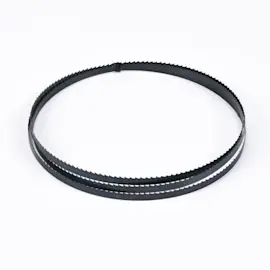
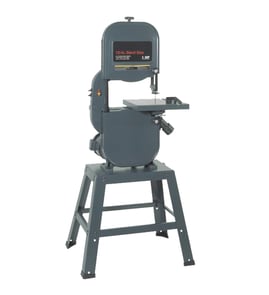
For the Delta 28-280 14-inch wood cutting band saw, the 3-tooth rule means you choose a blade tooth pitch (TPI) so at least three teeth are in the cut at all times. This prevents tooth snagging and stripping, improves chip clearance, and helps the blade track and cut more smoothly.
How to apply the 3-tooth rule (quick method)
- Measure the material thickness (the direction the blade teeth travel through).
- Multiply thickness by the blade TPI to estimate teeth engaged.
- Adjust TPI so the result is 3 or more.
Example: 1/2-inch stock with a 6 TPI blade gives about 3 teeth in the cut (0.5 × 6 = 3).
Practical blade selection tips for a 14-inch wood bandsaw
Use these rules to match the blade to the cut:
- Thicker wood: use fewer TPI (coarser teeth) for better chip removal.
- Thin stock or veneers: use higher TPI so the teeth do not hook and chatter.
- Tight curves: use a narrower blade width (curve radius depends heavily on blade width).
- Resawing: use a wider blade (as your saw allows) with a low TPI for straighter cuts.
- Hardwoods: slightly higher TPI than softwoods of the same thickness often cuts cleaner.
Common TPI guidance (wood cutting)
| Material thickness | Typical TPI range | What you’ll notice |
|---|---|---|
| 1/8 to 1/4 inch | 10 to 18 TPI | Less snagging on thin stock |
| 1/4 to 3/4 inch | 6 to 10 TPI | Good general-purpose cutting |
| 3/4 to 2 inches | 3 to 6 TPI | Faster cuts, better chip clearance |
| 2 inches and up | 2 to 3 TPI | Best for resawing and thick stock |
Why it matters
When fewer than 3 teeth are engaged, each tooth takes too big a bite, which causes rough cuts, vibration, and broken teeth. When too many teeth are engaged, sawdust packs into the gullets, the blade heats up, and the cut wanders.
Finding the right blade and parts
We recommend matching blade width and TPI to your cut type, then using the model number 28-280 when searching to ensure fit. If you do not see what you need in the parts list for this model, search by model on Sears PartsDirect.
Last updated: February 2026
How do you date a Delta bandsaw?
To date a Delta band saw like model 28-280, we use the machine’s serial number and any data plate information. Delta began assigning serial numbers in 1941, so a saw with no serial plate (and no mounting holes) is typically early 1941 or older.
Where to look for the date information
Check these common spots on a 14-inch wood cutting band saw:
- The serial number plate on the frame or base
- Holes or rivet marks where a plate used to be mounted
- A stamped serial number on the frame casting (less common)
- Motor nameplate date code (helps date the motor, not always the saw)
- Any original paperwork, tags, or service stickers
How to use the serial number (and what it tells you)
Once you find the serial number, match it to Delta serial number guidelines to estimate the manufacturing year.
| What you find on the saw | What it usually means | What to do next |
|---|---|---|
| Serial number plate present | Built 1941 or later | Use the serial number to estimate the year |
| No plate, but mounting holes exist | Plate missing; still often 1941 or later | Look for stamped numbers; check motor plate |
| No plate and no mounting holes | Often early 1941 or older | Use casting marks and motor date as supporting clues |
Why it matters
Knowing the approximate build year helps us match the right Delta 28-280 band saw parts and avoid fit issues when you’re replacing wear items (blade guides, tires, bearings, switches) or doing a tune-up.
Getting the right parts after you date it
Even after you estimate the year, the most reliable way to shop is by model number and the exact configuration on your saw.
- Start with the parts list for Delta 28-280
- Compare your saw’s features (guide style, wheel covers, switch location)
- Confirm measurements before ordering (tire width, bearing sizes, shaft diameters)
- Use your serial number as a cross-check, not the only identifier
- If you need to search beyond the model page, use Sears PartsDirect
Last updated: February 2026
What size blade is a Delta 28-280?
For the Delta 28-280 14-inch wood cutting band saw, the most common blade length used is 56-1/2 inches (about 1435 mm). Blade width and tooth count vary by the type of cut you are making, so we match those to your project rather than the saw.
Recommended blade sizes (what to choose)
Most 14-inch Delta-style band saw setups run best with these typical blade widths:
- 1/8 inch: tight curves and scroll-style work
- 1/4 inch: general curve cutting
- 3/8 inch: smoother curves, light resaw
- 1/2 inch: straighter cuts and moderate resaw
- 3/4 inch (if your saw setup supports it): resawing and straight ripping
Tooth count (TPI) quick guide
- 3 TPI: thick stock, faster cuts, rougher finish
- 4 to 6 TPI: general-purpose wood cutting
- 10 to 14 TPI: thin stock, finer finish
How to confirm blade length on your saw
Because we do not have a model-specific manual for the Delta 28-280 here, we confirm blade length by checking the saw’s tension range and wheel size, then verifying the blade tracks correctly.
- Unplug the saw and open both wheel covers
- Release blade tension and remove the old blade (if installed)
- Check the blade length printed on the old blade (many are stamped)
- Install a 56-1/2 inch blade and verify you can tension it properly
- Track the blade on the upper wheel, then set guide blocks and thrust bearings
Common blade specs at a glance
| What you’re choosing | Typical options | Best for |
|---|---|---|
| Blade length | 56-1/2 in | Fits the saw’s tensioning range |
| Blade width | 1/8 in to 1/2 in | Curves to straight cuts |
| TPI | 3 to 14 | Thick stock to thin stock |
Why it matters
Using the correct blade length lets the tensioner work in its normal range; that improves tracking, reduces vibration, and helps protect wear parts like tires, guides, and bearings.
For help finding the right replacement blade and other Delta 28-280 parts by model number, search with your model on Sears PartsDirect.
Last updated: February 2026
Why are band saws so expensive?
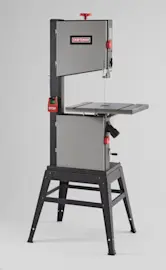
Band saws cost more because you are paying for rigidity, accuracy, and durability. On a 14-inch wood cutting band saw like the Delta 28-280, the price is driven by heavy cast/steel frames, precision wheels and guides, a reliable motor and switchgear, and the ability to cut thicker stock safely and consistently over years of use.
What you are really paying for
- Stiff frame and trunnions: heavier castings reduce vibration and blade drift.
- Wheel and bearing quality: balanced wheels, good tires, and sealed bearings run smoother.
- Blade guidance and tracking: better guide assemblies hold alignment longer.
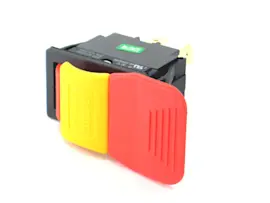
- Motor and electrical components: stronger motors and safer switches add cost.
- Fit and finish: tighter machining tolerances improve repeatable cuts.
- Capacity and features: more resaw height, better fences, and dust collection capability typically raise price.
Cost drivers you can compare quickly
| Cost driver | What it affects | What you notice in the shop |
|---|---|---|
| Frame mass (cast iron/steel) | Vibration control | Smoother cuts, less chatter |
| Wheel balance and tires | Tracking stability | Less wandering, easier setup |
| Guide system quality | Cut accuracy | Straighter rip and resaw cuts |
| Motor power and torque | Feed rate | Less stalling in hardwood |
| Adjustability and alignment | Repeatability | Fewer re-tunes over time |
Ownership costs beyond the purchase price
Even a well-built band saw has ongoing costs. Plan for:
- Blades (different widths and tooth patterns for curves vs. resaw)
- Guide blocks/bearings and wheel tires as they wear
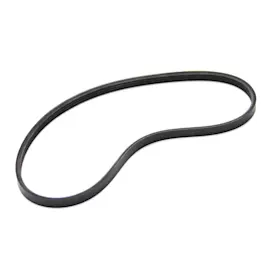
- Drive belt wear and periodic tension checks
- Dust collection maintenance (clogs reduce performance)
- Time spent on setup (tracking, tension, guide adjustment)
Why it matters
A band saw that stays aligned and runs with low vibration cuts safer and more accurately. That reduces wasted lumber, saves time on sanding and rework, and makes the tool more dependable for long resaw cuts and tight curves.
For parts and diagrams for your Delta 28-280, start with the model parts list, or search by model number on Sears PartsDirect.
Last updated: February 2026