 Installation guide
 Owner’s manual




What does H20 mean for a dishwasher?
On a GE dishwasher like model ZDT800SSF0SS, an H20 code points to a water-supply problem: the dishwasher is not filling with enough water to run the cycle correctly. In most cases, restoring proper hot-water flow and pressure clears the code; then rerun the cycle.
What to check first (fast fixes)
- Make sure the water shutoff valve under the sink is fully open.
- Turn on the hot water at the nearest faucet and let it run until it is hot; GE dishwashers clean best with incoming water at 120°F to 150°F.
- Check that other fixtures are not using water heavily (temporary low pressure can reduce fill).
- Confirm the door is closing and latching firmly; a weak latch can interrupt the start/fill sequence.
- If the dishwasher recently moved or was installed, verify the supply line is not kinked.
Parts that commonly cause an H20 or fill problem
If the basics look good, these model-compatible parts are common suspects:
| Symptom | Most likely area | Example part for ZDT800SSF0SS |
|---|---|---|
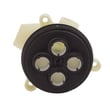
| No water enters at all | Water inlet valve | Dishwasher water inlet valve WD15X22948 |
| Overfill or fill stops unexpectedly | Float/float switch | Dishwasher float switch WD21X10519 |
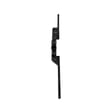
| Unit will not start filling because it will not “start” | Door latch | GE dishwasher door latch lock WD21X10490 |
Why it matters
A dishwasher that underfills can leave dishes dirty, cause long cycle times, and trigger repeated error codes. Getting the incoming water temperature and fill system right protects wash performance and helps prevent nuisance shutdowns.
Helpful references for this model
- Use the owner's manual to confirm the correct start sequence and water temperature guidance.
- If your display shows additional codes along with H20, use GE electronic dishwasher error codes to narrow the cause.
Last updated: February 2026
What is the average lifespan of a GE dishwasher?
A GE dishwasher typically lasts about 10 years with normal household use and basic upkeep. For your GE ZDT800SSF0SS, consistent cleaning, correct detergent use, and fixing small leaks or drain issues early are the biggest factors in reaching (or beating) that average; see the owner's manual for care guidance.
What affects dishwasher lifespan most
- Water quality: hard water speeds up mineral buildup on spray arms, filters, and the pump.
- Cleaning and maintenance: routine cleaning reduces odors, film, and strain on the wash system.
- Loading habits: overloading blocks spray and can stress racks, rails, and rollers.
- Small problems left unfixed: slow draining, minor leaks, or a door that does not latch can lead to bigger failures.
- Detergent and rinse aid use: using the right amount helps prevent residue and poor cleaning.
Quick maintenance checklist (high impact)
- Clean the interior and deodorize periodically (citric-acid style cleaning is commonly recommended for mineral film).
- Wipe the control panel with a lightly damp cloth, then dry.
- Keep the drain path clear; address slow-drain symptoms early.
- Confirm the door closes and latches smoothly; a worn latch can prevent starting.
- Inspect for leaks at the door and under the unit; replace seals or hoses when needed.
Common “wear items” and what they do
| Part type | What you may notice | Example part for ZDT800SSF0SS |
|---|---|---|
| Door latch/lock | Will not start, beeping, door pops open | GE dishwasher door latch lock WD21X10490 |
| Tub gasket | Moisture at the door edges, drips during wash | Dishwasher tub gasket WD08X23477 |
| Drain hose | Water left in tub, leaking under sink | Dishwasher drain hose WD24X10062 |
| Water inlet valve | Not filling, weak fill, long fill times | Dishwasher water inlet valve WD15X22948 |
Why it matters
A dishwasher that is cleaned regularly and kept leak-free runs with less pump strain, heats and drains more efficiently, and avoids corrosion and electrical damage. That is what most often separates a 6 to 8 year dishwasher from a 10+ year dishwasher.
Last updated: February 2026
What is the most common problem with GE dishwashers?
The most common GE dishwasher problem is a unit that will not start or will stop mid-cycle, and it is often related to the door not fully latching, a cycle interruption, or a power issue. For GE ZDT800SSF0SS, start by confirming the door closes firmly and the cycle is restarted correctly per the owner's manual.
Quick checks we recommend first
- Press Start and fully close the door; an open door can interrupt the cycle and trigger beeping.
- Confirm the dishwasher is getting power (breaker on, outlet powered if applicable).
- Make sure the control is not in a paused or canceled state; restart the cycle.
- Check for standing water or a “not draining” symptom; a clogged air gap (if installed) can cause drain issues.
- If the door feels loose or will not stay shut, inspect the latch area for wear.
Common symptoms and the most likely causes
| Symptom | Most common cause | What to do next |
|---|---|---|
| Won’t start | Door not latched | Inspect/replace the GE dishwasher door latch lock WD21X10490 if the door will not latch consistently |
| Beeps during operation | Door opened or cycle interrupted | Press Start and close the door fully; avoid bumping the door |
| Not draining well | Air gap or drain path restriction | Clean the air gap (if present) and check the drain hose routing |
| “Leak detected” message | Leak detection triggered | Stop using the unit and check for water in the base area; service is typically needed |
Why it matters
A dishwasher that does not latch or that loses power can stop the wash motor and heating functions, leaving dishes dirty and water sitting in the tub. Catching a latch, drain, or leak-detection issue early helps prevent repeat cycle failures and water-related damage.
When a part is commonly involved
If the door must be pushed hard to start, pops open, or the unit starts only intermittently, the door latch assembly is a frequent fix on many GE dishwashers, including ZDT800SSF0SS.
Last updated: February 2026
What is the rough opening for a GE dishwasher?
For the GE dishwasher model ZDT800SSF0SS, the installation instructions specify a rough cabinet opening of at least 24 inches wide, 24 inches deep, and approximately 34-1/2 inches high (floor to underside of the countertop). Confirm your measurements and required clearances in the installation guide.
Minimum opening and clearances (ZDT800SSF0SS)
Use these planning minimums before you slide the dishwasher into the enclosure:
- Opening width: 24 in.
- Opening depth: 24 in.
- Opening height: approximately 34-1/2 in.
- Corner installs: 2 in. minimum clearance to adjacent cabinet, wall, or appliance
- Door opening space: 28-3/8 in. minimum clearance in front for the door to open
- Near a range/oven: at least 6 in. between the dishwasher and the range or oven
Quick reference table
| Measurement | Minimum | Where to measure |
|---|---|---|
| Width | 24 in. | Inside the cabinet opening |
| Depth | 24 in. | Front of opening to back wall |
| Height | ~34-1/2 in. | Floor to underside of countertop |
| Corner side clearance | 2 in. | Side of dishwasher to wall/cabinet |
| Front door clearance | 28-3/8 in. | Front of dishwasher outward |
Why it matters
Correct rough opening dimensions keep the dishwasher fully enclosed (top, sides, and back), prevent the door from binding, and make sure you can remove the unit later for service. Proper clearances also help avoid drain hose kinks and installation-related leaks.
Related installation notes to check
- Keep the wall area behind the dishwasher free of pipes and wiring where the unit slides in.
- Route the drain hose so it is not kinked or pinched.
- If your drain connection is less than 18 inches above the floor, an air gap method may be required by code.
- Level the dishwasher front-to-back and side-to-side before securing it.
Last updated: February 2026





