Installation guide
 Owner’s manual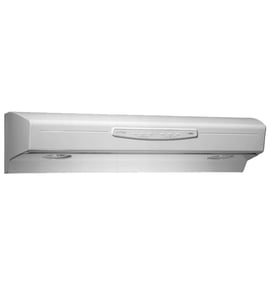



How many years does a range hood last?
Most range hoods, including the Bosch HUI50351UC, last 10 to 20 years; about 15 years is typical with normal cooking use and routine cleaning. Lifespan is usually limited by grease buildup and heat stress on the blower system and electrical components.
Typical lifespan and what affects it
A range hood’s service life depends more on maintenance and ventilation setup than the metal housing.
- Filter care: clogged grease filters restrict airflow and make the motor work harder
- Cooking frequency: daily frying and high-heat cooking shortens life
- Ducting quality: long runs, small duct size, or too many elbows increase load and noise
- Cleaning habits: grease on the blower wheel can cause vibration and premature wear
- Electrical health: loose connections and heat can damage switches, lights, or transformers
Parts that most often end a range hood’s life
When a hood “wears out,” it is usually one of these parts, not the shell.
| Part area | Common symptom | Typical fix |
|---|---|---|
| Fan motor | fan won’t run, hums, overheats | replace motor assembly |
| Blower wheel | loud rattling, vibration, weak airflow | clean or replace wheel |
| Capacitor (if used) | motor struggles to start | replace capacitor |
| Filters | poor airflow, grease smell | clean or replace filters |
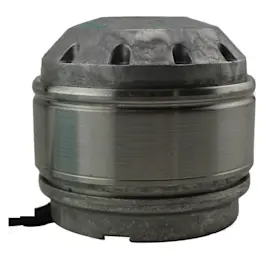
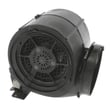
For this model, common service parts include the range hood fan motor assembly 11009760, range hood blower wheel assembly 11009759, and Bosch range hood filter 11009757.
How to help your Bosch HUI50351UC reach 20 years
- Wash or replace filters on a regular schedule (more often with heavy frying)
- Degrease the fan area if airflow drops or noise increases
- Verify the damper flap opens freely and the duct is not restricted
- Use the lowest fan speed that clears smoke effectively to reduce wear
- Follow the cleaning and care steps in the HUI50351UC owner’s manual
Why it matters
A clean filter and unrestricted ducting reduce motor load, which helps maintain airflow, lowers noise, and prevents early failure of the motor, capacitor, and blower wheel.
Last updated: January 2026
What is a type 2 hood system?
A Type II (Type 2) hood system is a non-grease ventilation hood designed to capture heat, steam, and condensate from appliances that do not produce grease-laden vapors. In a home kitchen, your Bosch HUI50351UC range hood is typically used for smoke, steam, and odors from cooking, not for commercial Type II compliance.
What a Type II hood is used for
Type II hoods are commonly specified for equipment that creates moisture and heat but not grease.
- Dishwashers (especially commercial-style)
- Steamers and kettles
- Some ovens and proofers
- Other non-grease, high-moisture appliances
Type I vs Type II: quick comparison
| Hood type | What it captures | Typical application | Grease filters required |
|---|---|---|---|
| Type I | Grease, smoke, grease-laden vapors | Fryers, griddles, charbroilers | Yes |
| Type II | Heat, steam, condensate | Dishwashers, steam equipment | Usually not |
Why it matters
Choosing the wrong hood type can lead to poor ventilation performance and code issues. If you are planning a remodel or installing the Bosch HUI50351UC in a specific enclosure, confirm ducting, clearances, and airflow requirements in the HUI50351UC installation guide.
Helpful tips for homeowners using a slide-out hood
Even when “Type II” is not the goal, these steps improve everyday venting performance:
- Clean or replace the hood filter on schedule (a clogged filter restricts airflow)
- Verify the damper flap opens freely and the duct is not crushed or blocked
- Use the fan before cooking and let it run a few minutes after
- Match fan speed to cooking intensity to reduce noise and improve capture
Last updated: January 2026
Do ductless range hoods really work?
Yes. A ductless (recirculating) range hood like the Bosch HUI50351UC can effectively reduce grease and cooking odors by pulling air through filters and returning it to the kitchen; it just will not vent heat and moisture outdoors the way a ducted hood does. For best results, keep filters clean and replaced on schedule.
How a ductless hood works (and what it cannot do)
A ductless hood cleans the air in two stages:
- Grease filtration: captures airborne grease before it coats cabinets and walls.
- Odor filtration: uses a charcoal style filter (on many ductless setups) to reduce smells.
- Recirculation: returns filtered air back into the room.
What it does not do as well as ducted venting:
- Remove humidity/steam from boiling pots
- Remove heat from high-BTU cooking
- Clear heavy smoke as quickly as an outdoor-vented system
What “works well” depends on your cooking
Use this quick guide to set expectations.
| Cooking style | Ductless hood performance | Practical tip |
|---|---|---|
| Light sautéing, warming, low smoke | Good | Run the fan 5 to 10 minutes after cooking |
| Everyday cooking (moderate frying) | Fair to good | Clean grease filters often; replace odor filters on schedule |
| High-heat searing, wok cooking, frequent frying | Limited | Consider higher fan speed and longer run time; ducted venting performs better |
Maintenance that makes the biggest difference
If a ductless hood seems weak, it is usually a filter or airflow issue.
- Clean the grease filters regularly (more often with frequent frying).
- Replace the hood filter when it is damaged, clogged, or no longer cleans well; see Bosch range hood filter 11009757.
- Keep the intake and fan area free of grease buildup.
- Make sure the slide panel (if used during operation) is fully opened for airflow.
- Confirm the hood is set up for recirculating operation per the HUI50351UC installation guide.
Why it matters
A properly maintained ductless hood helps keep grease off surfaces and reduces lingering odors, which protects cabinets, improves indoor comfort, and helps the fan motor run with less strain.
Last updated: January 2026
What are the disadvantages of recirculating hoods?
Recirculating (ductless) range hoods like the Bosch HUI50351UC rely on filters and return air back into the kitchen instead of venting outdoors; the main disadvantages are weaker odor and moisture removal, ongoing filter costs, and reduced performance for heavy cooking. See the HUI50351UC owner's manual for the approved venting options.
Key disadvantages to expect
- Less effective odor removal: smells can linger because air is not exhausted outside.
- Moisture and heat stay indoors: steam and cooking heat are reduced less than with ducted venting.
- Ongoing filter maintenance and cost: charcoal or carbon filters must be replaced on schedule.
- Lower performance for high-smoke cooking: searing, frying, and wok cooking can overwhelm a ductless setup.
- Potential grease film over time: if filters are not cleaned or replaced regularly, grease can redeposit in the kitchen.
What changes between ducted vs recirculating
| Feature | Recirculating (ductless) | Ducted (vented outside) |
|---|---|---|
| Odor removal | Moderate | Strong |
| Moisture removal | Low | High |
| Filter needs | Grease filter plus charcoal filter | Grease filter (typically) |
| Best for | Light to moderate cooking | Frequent or heavy cooking |
Tips to reduce the downsides (practical steps)
- Run the hood a few minutes before cooking and keep it running after cooking to help clear lingering odors.
- Clean the grease filters on a consistent schedule so airflow stays strong.
- Replace charcoal filters when odors start returning sooner than normal.
- Use the highest fan speed during frying or high-heat cooking.
- If airflow seems weak, check for a dirty filter or a blower issue; a worn motor or wheel can also reduce performance (for example, the range hood fan motor assembly 11009760 or range hood blower wheel assembly 11009759).
Why it matters
Recirculating hoods can be a good solution when you cannot run ductwork, but they trade convenience for performance. If your priority is removing smoke, humidity, and strong cooking odors, ducted venting typically delivers better results.
Last updated: January 2026