Owner’s manual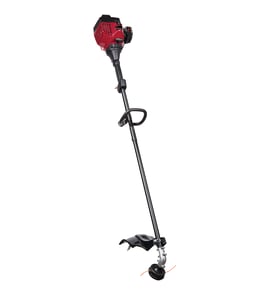

Can I use .095 trimmer line?
No. For the Craftsman line trimmer model 358795543, we recommend using 0.080-inch (2 mm) diameter trimmer line; using 0.095-inch line is thicker than specified and can cause poor feeding, extra load on the engine, and faster trimmer head wear. Confirm the exact line spec and loading steps in the 358795543 owner's manual.
What happens if you use thicker line
Using oversized line often creates performance problems that feel like an engine or carburetor issue.
- The line may not feed smoothly from the trimmer head
- The engine can bog down in heavy grass because the head load increases
- Vibration can increase, especially at higher throttle
- The head can overheat or wear faster
- Cutting quality can get worse if the line cannot spin up to speed
Recommended line size and why
The manual calls out a specific diameter for safe operation and best performance.
| Line diameter | Fit in head | Engine load | Typical result |
|---|---|---|---|
| 0.080 in (2 mm) | Correct | Normal | Best balance of cutting and line life |
| 0.095 in | Often too tight | Higher | Feeding issues, bogging, extra wear |
Tips to get better cutting without upsizing line
If you are trying to cut thicker weeds, technique matters as much as line size.
- Let the tip of the line do the cutting; do not crowd the line into the work area
- Use full throttle for mowing or sweeping; use less than full throttle for light trimming
- Keep the cutting line at the proper length and the shield installed
- Clear debris wrapped around the head before it melts or binds
- Tune up basics regularly (air filter, spark plug, fuel quality)
Why it matters
This trimmer is designed for line-trimmer use only, and the specified line diameter helps the head feed correctly and keeps engine load where it belongs. Staying with 0.080-inch line reduces stalling, overheating, and premature head wear.
Last updated: January 2026
Who makes the best .095 trimmer line?
For the Craftsman line trimmer model 358795543, the best .095 trimmer line is the one that matches your cutting conditions and feeds smoothly in your trimmer head. We recommend a premium, commercial-grade nylon line (round or twisted) from a major brand, then choosing the shape that fits how you trim.
What to look for in a “best” .095 line
A good .095 line balances durability, clean cutting, and reliable feeding. Focus on these features when you compare brands:
- Line shape: round (smooth feed) vs twisted (quieter, cleaner cut)
- Nylon quality: premium nylon resists fraying and snapping
- Weld consistency: fewer weak spots means fewer breaks
- Spool freshness: newer line stays flexible and feeds better
- Right length for your head: avoid overfilling the spool
Quick comparison: which .095 line type should you buy?
| .095 line type | Best for | What you will notice |
|---|---|---|
| Round | Everyday trimming, best feeding | Smooth advance, fewer jams |
| Twisted | Noise reduction, mixed weeds | Quieter, good cut quality |
| Serrated or star | Thick weeds, heavy edging | Aggressive cut, can wear faster |
Tips to get better performance from any .095 line
Even top-tier line performs poorly if it is loaded or stored wrong. For the Craftsman 358795543:
- Wind the line evenly and in the correct direction shown in the 358795543 owner’s manual
- Keep the cutting length correct; let the guard blade trim excess
- Soak brittle line in water for 24 hours to restore flexibility
- Clean debris from the trimmer head so bump-feed can advance
- Replace worn head parts if the line keeps welding or jamming
Why it matters
The “best” .095 trimmer line is the one that cuts efficiently without overloading the engine or constantly breaking. Matching line type to your yard conditions reduces downtime and improves cut quality.
For cutting-line problems like constant breakage or poor feeding, use our solving common problems with line trimmer cutting lines.
Last updated: January 2026
How to replace line on Craftsman gas trimmer?
On Craftsman gas line trimmer model 358795543, replace the cutting line by shutting the engine off, letting it cool, disconnecting the spark plug, then removing the trimmer head cover and winding new line neatly on the spool in the direction shown. Follow the 358795543 owner's manual for your exact head style.
Use the correct line size for your head
This model can be equipped with different trimmer heads; the correct line diameter depends on the head installed. Match the line size to what your head label, spool, or manual specifies.
- Check the spool or head for a stamped or molded line size.
- Use round trimmer line unless your head specifically calls for another profile.
- Cut clean ends on the line to help it feed through the eyelets.
- Wind evenly to prevent tangles and feed issues.
Common line sizes you may see
| Head type (typical) | Common line diameter | Notes |
|---|---|---|
| Bump-feed head | 0.095 in | Most common on many Craftsman gas trimmers |
| Fixed-line head | 0.110 in | Uses pre-cut pieces; not a wound spool |
How to reload a spool-style (bump-feed) head
Most spool heads reload with the same basic process:
- Remove the head cap (tabs or screws, depending on the design).
- Pull out the spool; remove old line and debris.
- Cut one long length (or two equal lengths if your spool uses dual lines).
- Feed the line into the spool anchor hole/slot; wind in the arrow direction.
- Keep wraps tight and side-by-side (no crossing).
- Route line ends through the eyelets; reinstall spool and cap.
If line will not feed or keeps tangling
| Problem | Most common cause | Fix |
|---|---|---|
| Won’t advance | Wrong diameter or sloppy winding | Verify size on head; rewind evenly |
| Jams in head | Debris in spool/eyelets | Clean head and eyelets |
| Breaks quickly | Hitting hard edges, old/brittle line | Replace line; avoid concrete contact |
Why it matters
Using the correct line diameter and winding it neatly prevents tangles, reduces vibration, and helps the head feed line consistently so the trimmer cuts efficiently.
Related help: solving common problems with line trimmer cutting lines
Last updated: January 2026