Owner’s manual
 Error Codes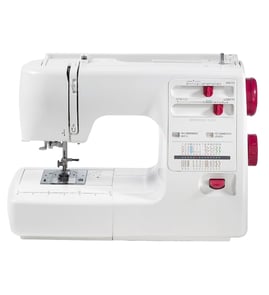

How old is the Kenmore sewing machine model 38519150090?
Kenmore sewing machine model 38519150090 is part of the Kenmore 385 model family, which dates back to the mid-1960s; most machines in this family were produced between 1965 and 1987, so your machine is typically 39 to 61 years old as of February 2026. For the best clue to your exact build period, use the model and serial number location shown in the owner's manual.
How to estimate the age more accurately
The model number tells us the family; the serial number is what helps narrow down when your specific unit was made.
- Find the nomenclature plate (ID plate) on the machine
- Write down the full model number (38519150090) and the serial number
- Keep those numbers with your records for parts lookup and service
- If you have the original paperwork, compare the serial number to any purchase date
- If the machine has been stored for years, plan on basic maintenance before heavy use
Why the model family matters
Kenmore model numbers that start with 385 identify a long-running series of machines. That is why the model number alone usually gives a date range, not a single year.
| What you have | What it tells you | What to do next |
|---|---|---|
| Model number: 38519150090 | Confirms the Kenmore 385 family | Use it when searching parts and documentation |
| Serial number | Best indicator for narrowing production timing | Record it from the ID plate |
| Manual details (care, oiling, adjustments) | Helps keep an older machine running smoothly | Follow the maintenance steps in the manual |
Why it matters (especially for older machines)
Age affects what typically needs attention first: lint buildup, dried lubrication, worn belts, and electrical wear (cord, foot control, switch). The manual also calls out safe handling, including unplugging before removing covers, lubricating, or making adjustments.
Helpful next step if your machine shows an error
If your 38519150090 has an electronic display and shows a code, use Kenmore 385 error codes to match the code to likely causes.
Last updated: February 2026
How do I know what model my Kenmore sewing machine is?
Your Kenmore sewing machine’s model number is printed on the machine’s nomenclature plate. For Kenmore model 38519150090, the manual notes the model and serial number are on that plate (typically on the back of the machine); record both numbers so you can match the correct parts and instructions in the owner's manual.
Where to look on the machine
Check these common locations first (with the machine powered off):
- The back of the sewing machine near the power cord area
- The underside/base of the machine (tilt it carefully)
- Inside or near the front/side cover area (some models place labels near access panels)
- On the carrying case/cabinet label (if your machine has one)
What the model number looks like
Kenmore sewing machines commonly use a model format that starts with 385 followed by more digits (example: 38519150090). The same plate usually lists a serial number as well.
| What you’ll see | Why it matters | Example |
|---|---|---|
| Model number | Identifies the exact machine version for parts and settings | 38519150090 |
| Serial number | Helps distinguish production runs and service history | Varies |
Why it matters for parts and troubleshooting
Using the correct model number prevents ordering the wrong repair parts and helps you follow the right threading, tension, cleaning, and oiling steps. It also helps when diagnosing issues like a locked-up machine or a motor that will not run.
Next steps after you find it
- Write down the full model number and serial number exactly as shown
- Use the model number to match diagrams and maintenance steps in the owner's manual
- If your machine shows an error, use the model family guide: Kenmore 385 error codes
Last updated: February 2026
Is it worth repairing a sewing machine?
Yes, repairing a sewing machine is usually worth it when the machine is a higher-quality model, the issue is maintenance-related (cleaning, oiling, tension, belt), or the repair restores reliable stitching for years. For the Kenmore 38519150090, routine care and correct setup often prevent repeat problems; see the owner's manual for model-specific maintenance and adjustments.
Quick decision checklist
- Repair it if the machine has consistent stitch quality when properly threaded and tensioned
- Repair it if the problem is lint buildup, dried oil, a worn belt, or a loose connection
- Repair it if the motor runs but the machine is sluggish or locks up intermittently
- Replace it if the frame is cracked or the machine has repeated electrical failures
- Replace it if repair cost is close to the cost of a comparable replacement machine
Common “worth repairing” problems (and why)
Many sewing machine issues are caused by setup or maintenance, not major component failure. The Kenmore manual specifically calls out cleaning, oiling, and adjustments as key to avoiding unnecessary service expense.
- Threading or tension issues: often fixed by rethreading, cleaning the tension path, and resetting tension
- Fabric not feeding: commonly related to feed dogs, presser foot pressure, stitch length, or lint under the needle plate
- Machine locks up: often caused by thread jams in the hook/bobbin area or lack of lubrication
- Motor will not run: can be power cord/foot control/switch related, but also can be a jam that prevents rotation
For step-by-step symptom help, use sewing machine locks up or sewing machine fabric not moving.
Cost vs. value guide
Use this simple comparison to decide quickly.
| Situation | Usually the best choice | Why it matters |
|---|---|---|
| Basic tune-up, cleaning, oiling | Repair | Restores performance and prevents bigger failures |
| One worn wear-item (belt, switch, motor) | Repair | Targeted fix, predictable outcome |
| Multiple electrical issues (intermittent power, burning smell, repeated shutdowns) | Replace | Electrical troubleshooting can escalate quickly |
| Major mechanical damage (bent shafts, cracked housing) | Replace | Alignment and timing repairs can exceed machine value |
Why it matters
A properly maintained sewing machine produces consistent stitches, feeds fabric evenly, and runs smoothly. The manual also emphasizes safe operation: keep ventilation openings clear of lint and unplug the machine before removing covers or lubricating.
Last updated: February 2026
What is the most reliable brand of sewing machine?
No single brand is “most reliable” for everyone; reliability depends on how the machine is built, how it’s maintained, and whether it’s matched to your fabric and stitch needs. For household sewing, brands like Janome, Juki, Brother, and Bernina are widely known for strong long-term durability, and a well-maintained Kenmore 38519150090 can also be very dependable when used and cared for as outlined in the owner's manual.
What “reliable” means in real use
A reliable sewing machine is one that holds consistent stitch quality, feeds fabric evenly, and runs smoothly without frequent timing, tension, or motor issues.
Key reliability factors to compare:
- Drive system and internal frame: sturdier builds handle thicker fabrics better
- Motor strength and speed control: smoother power delivery reduces strain
- Parts availability and serviceability: easier maintenance extends life
- Stitch consistency: stable tension and feed performance
- Maintenance needs: cleaning and lubrication intervals matter
Brand comparison (quick guide)
| Brand | Typical strengths | Best fit for |
|---|---|---|
| Janome | Durable build, consistent stitching | Everyday sewing, quilting, long-term ownership |
| Juki | Strong feeding, robust mechanics | Garment sewing, heavier fabrics, frequent use |
| Brother | Good value, easy features | Beginners, general home projects |
| Bernina | Premium build, precision | Advanced sewing, long-term investment |
| Kenmore (385 series) | Proven household designs when maintained | General sewing, repairs, learning, routine projects |
How to choose the most reliable option for you
We recommend matching the machine to your most common projects first, then choosing the best-built option in that category.
Use this checklist:
- Sew mostly light to medium fabrics: prioritize stitch quality and easy tension control
- Sew denim, canvas, multiple layers: prioritize motor strength and feeding power
- Want fewer issues: choose a model with simple, proven mechanics over rarely used features
- Plan frequent use: prioritize service access (cleaning, oiling, belt/motor access)
- Keep it reliable: follow the cleaning and care steps in the owner's manual
Why it matters
Most “unreliable machine” complaints come from mismatched expectations (heavy-duty work on a light-duty machine) or skipped maintenance. Proper threading, correct needle choice, and routine cleaning often prevent the most common stitch and feed problems.
If your Kenmore 38519150090 is acting up, our DIY troubleshooting for Kenmore 385 error codes is a fast way to narrow down what the machine is detecting.
Last updated: February 2026
When did they stop making Kenmore sewing machines?
Kenmore sewing machines are discontinued; Sears-branded Kenmore machines were produced by outside manufacturers (commonly including Janome for many 385-series models) and were phased out over time as Sears stopped selling new Kenmore sewing machines. For your Kenmore 38519150090, the best model-specific reference is the owner's manual.
What this means for parts and service today
Even though new Kenmore sewing machines are no longer being made, we still see strong parts demand because many machines remain in use.
- Your model is a Kenmore 385-series machine; the manual identifies it as a center needle, low bar sewing machine
- Many wear items are still replaceable (needle plate screws, bobbin-area components, belts, motors, switches), depending on availability
- Routine care (cleaning lint, correct threading, proper oiling) prevents many “it stopped sewing” complaints
- When ordering parts, use the model number and the part number from the parts list in the manual
Quick timeline guidance (practical, not brand history)
Exact “stop making” dates vary by supplier and retail channel, so the most useful approach is to treat Kenmore sewing machines as a discontinued product line and focus on supportability.
| What you’re trying to do | Best next step | Why it works |
|---|---|---|
| Identify your exact machine type | Check the owner's manual | Confirms features and maintenance points for 38519150090 |
| Diagnose an error message | Use Kenmore 385 error codes | Matches common 385-series electronic error displays |
| Keep it sewing smoothly | Clean lint and oil correctly | Reduces jams, sluggish running, and hook-area issues |
Why it matters
Because Kenmore sewing machines were made by multiple manufacturers over the years, “Kenmore” alone is not enough to match parts. The model number (38519150090) is what ensures you get the correct repair part and the correct procedure.
Last updated: February 2026