Owner’s manual
 Error Codes




What is the typical lifespan of an electric water heater?
Most tank-style electric water heaters typically last 10 to 15 years. For your Kenmore 153326464, regular maintenance (especially checking the anode rod and keeping thermostats set correctly) helps you reach the upper end of that range; see the 153326464 owner's manual for model-specific maintenance guidance.
What affects lifespan the most
- Anode rod condition: a depleted anode rod allows the tank to corrode and eventually leak.
- Water quality: aggressive or softened water can speed anode depletion.
- Temperature setting: hotter settings increase stress on components and can accelerate wear.
- Sediment buildup: reduces heating efficiency and can overheat elements.
- Usage level: high daily demand increases cycling and wear.
Maintenance that extends service life
We recommend these practical habits for electric water heaters like the Kenmore 153326464:
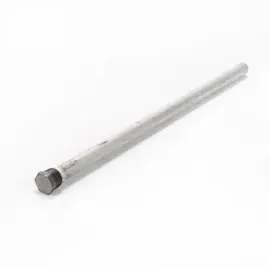
- Inspect the anode rod periodically and replace it when significantly depleted.
- Keep the upper and lower thermostats set to a reasonable temperature and verify both are operating.
- If you have fluctuating temperatures or slow recovery, test the heating elements and replace as needed.
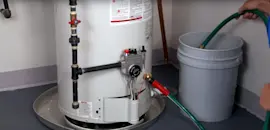
- Drain some water from the tank periodically to reduce sediment (especially in hard-water areas).
- Replace access insulation and covers correctly after any service to protect wiring and thermostats.
Common wear parts (examples for this model)
| Part type | What it impacts | Example part for 153326464 |
|---|---|---|
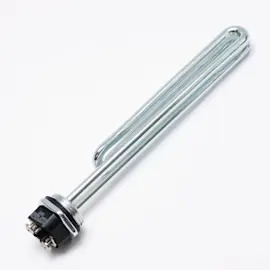
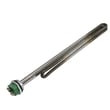
| Heating element | Recovery time, hot water output | Water heater heating element, 3,800-watt 100108346 |
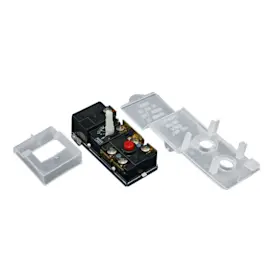
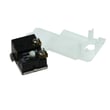
| Thermostat | Temperature control, overheating or no-heat symptoms | Thermostat 100108421 |
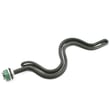
| Anode rod | Tank corrosion protection | Anode rod 100109624 |
Why it matters
Once the tank begins to corrode internally (often after the anode rod is used up), leaks can develop and replacement becomes the practical fix. Staying ahead of anode and heating control issues is the best way to get full life from the heater.
Last updated: January 2026
How do I reset an electric water heater?
To reset your Kenmore electric water heater model 153326464, turn OFF power at the breaker, remove the upper access panel, fold insulation back, and press the red RESET button on the thermostat. Reassemble covers, then restore power.
Reset steps (high-temperature shutoff)
- Turn OFF electrical power to the water heater at the breaker.
- Remove the screw and take off the upper access panel.
- Fold insulation back to expose the thermostat.
- Press the red button marked RESET until it seats.
- Put insulation back, reinstall the access panel, and tighten the screw.
- Turn ON power and allow time for the tank to reheat.
What to do if it trips again
If the reset button pops again, focus on the most common causes:
- Thermostat set too high (upper and lower thermostats should be set consistently).
- Loose wiring at the thermostat or heating element terminals.
- A failing thermostat (upper or lower).
- A heating element problem (shorted element can overheat).
- Scale buildup causing overheating and rumbling.
Quick checks you can do safely
| Check | What you are looking for | What it points to |
|---|---|---|
| Thermostat settings | Both thermostats set to a reasonable temp | Overheating prevention |
| Access panels/insulation | Insulation returned to position | Accurate thermostat sensing |
| Recovery after reset | Hot water returns normally | Reset was the correct fix |
Why it matters
The red reset button is part of the high-limit safety system. Resetting it restores power after an over-temperature event, but repeated trips usually mean a thermostat, wiring, or heating element issue that needs correction.
For diagrams, panel locations, and the exact reset procedure, use the 153326464 owner’s manual. If you’re replacing components during troubleshooting, match parts to this model, such as the thermostat 100108421 or the water heater heating element, 3,800-watt 100108346.
Last updated: January 2026
Can you replace a thermostat on an electric water heater?
Yes. On the Kenmore 153326464 electric water heater, you can replace the upper or lower thermostat by shutting off power, removing the access panel and insulation, swapping the thermostat in the bracket, then reinstalling the terminal cover, insulation, and panel before restoring power. See the 153326464 owner's manual.
Safety and prep (do this first)
- Turn OFF electrical power to the water heater at the junction box (or breaker).
- Confirm power is off before touching any wires.
- Remove the upper and/or lower access panel(s).
- Fold insulation back to expose the thermostat and wiring.
- Keep the thermostat pressed firmly against the tank surface during reassembly.
Basic thermostat replacement steps
We follow the same sequence the manual outlines for thermostat removal and replacement:
- Turn power OFF.
- Remove the access panel; fold insulation back.
- Unclip and remove the thermostat terminal cover.
- Disconnect wires from the thermostat.
- Slide the thermostat out from behind the bracket.
- Install the new thermostat in the bracket so it fits securely.
- Reconnect wires, reinstall the terminal cover, then replace insulation and the access panel.
- Turn power ON.
Temperature setting guidance (to avoid scalding)
Your water heater thermostats are factory set to approximately 120°F (49°C). If you adjust temperature, use a screwdriver on the slotted adjustment:
- Clockwise: increases temperature
- Counterclockwise: decreases temperature
| Setting goal | Typical thermostat setting | Why it matters |
|---|---|---|
| Safer everyday use | ~120°F | Reduces scald risk |
| More hot water capacity | Higher than 120°F | Increases scald risk; use caution |
Parts that are commonly replaced with a thermostat
If your cover is damaged or missing, replace it so wiring stays protected:
- Thermostat 100108421 (lower thermostat)
- Water heater thermostat, upper 100108683
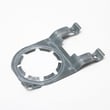
- Water heater thermostat cover 100108799
Why it matters
A thermostat that is loose against the tank, wired incorrectly, or set too high can cause unstable water temperature, no hot water, or water that is dangerously hot. Correct reassembly (terminal cover, insulation, and access panel) helps the heater operate safely and accurately.
Last updated: January 2026
Why does my electric water heater run out so fast?
If your Kenmore electric water heater model 153326464 runs out of hot water quickly, the most common causes are a failed lower heating element, heavy sediment in the tank, or a thermostat setting issue. These problems reduce recovery rate and usable hot water volume.
Most common causes (and what to check first)
- Lower heating element not heating: This is the most common reason an electric water heater “runs out fast” because the lower element does most of the ongoing heating after the top of the tank is hot.
- Sediment buildup: Sediment can bury the lower element and reduce heat transfer, so the tank recovers slowly.
- Thermostat settings out of sync: The manual notes the factory set point is 120°F, and recommends not setting the upper thermostat higher than the lower thermostat setting. See the adjustment steps in the 153326464 owner's manual.
- High-limit trip (reset needed): If the high-limit safety trips, heating can stop until reset behind the access panel.
- Hot water demand increased: More showers, colder incoming water, or a new appliance can exceed the heater’s capacity.
Quick troubleshooting steps (safe, practical checks)
- Confirm power is on at the breaker and that fuses are not blown.
- Check temperature settings on the upper and lower thermostats (many homes do well at about 120°F).
- Flush sediment from the tank periodically (especially if you have hard water). The manual describes draining and flushing steps and emphasizes turning power OFF before servicing.
- If symptoms persist, plan to test/replace the lower heating element and its gasket.
Parts that commonly fix “runs out fast”
| Symptom | Likely part | Example part for this model |
|---|---|---|
| Water gets warm then quickly turns lukewarm | Lower heating element | Water heater heating element, 3,800-watt 100108346 |
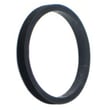
| Seepage after element service | Element seal | Water heater heating element gasket 100108379 |
| Temperature swings or slow recovery | Thermostat issue | Thermostat 100108421 or water heater thermostat, upper 100108683 |
Why it matters
When the lower element, thermostat, or tank is insulated by sediment, the heater cannot recover fast enough. That makes the hot water supply feel “smaller” even though the tank capacity has not changed.
Last updated: January 2026