Owner’s manual


What is the life expectancy of a KitchenAid stand mixer?
A KitchenAid stand mixer like model KV25G0XSL5 typically lasts 10 to 15 years with normal home use and basic maintenance. Heavy weekly baking, frequent dough mixing, and running the mixer at high speed for long periods can shorten that lifespan.
What affects stand mixer lifespan most
- Load type: bread and pizza dough put the highest strain on the motor and gears
- Run time: long continuous mixing sessions build heat in the motor
- Speed selection: using high speeds for heavy mixtures accelerates wear
- Maintenance: keeping the gearcase properly lubricated reduces gear wear
- Wear parts: seals and gaskets that leak can lead to grease loss and faster gear damage
Quick care checklist for KV25G0XSL5
- Use lower speeds for heavy mixtures; increase speed only after ingredients combine.
- Stop the mixer if you smell hot insulation, hear grinding, or see grease leaking.
- Keep the mixer clean and dry; wipe flour and residue off vents and seams.
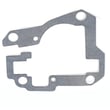
- If you see grease seepage, inspect sealing components such as the gasket WP9709511.
- Follow operating limits and attachment guidance in the KV25G0XSL5 owner's manual.
Typical lifespan by usage pattern
| Usage pattern | Typical life expectancy | What we see most often |
|---|---|---|
| Occasional (holidays, light batters) | 15+ years | minimal wear, mostly cosmetic issues |
| Regular home baking (weekly) | 10 to 15 years | gearcase wear, seals/gaskets aging |
| Heavy use (frequent dough, long runs) | 5 to 10 years | overheating, gear wear, motor strain |
Why it matters
A stand mixer usually fails gradually, not suddenly. Catching early symptoms (grease leaks, grinding noises, speed instability) helps you replace the right parts before the motor or gear case suffers more expensive damage.
Last updated: January 2026
Is there a better mixer than KitchenAid?
For a KitchenAid KV25G0XSL5 stand mixer owner, there can be “better” mixers, but it depends on what you want to improve: heavy bread dough performance, bowl capacity, attachment options, or price. Many bakers stick with KitchenAid for versatility and parts support, then upgrade only for specific needs.
How to decide what “better” means
We recommend comparing mixers based on the jobs you do most often:
- Bread and pizza dough: look for strong low-speed torque and stable gearing
- Large batches: prioritize bowl capacity and motor durability
- Frequent use: serviceability and parts availability matter
- Attachments: check compatibility with grinders, pasta rollers, etc.
- Budget: consider total cost, not just the mixer price
Common upgrade paths (what people choose and why)
Here are typical reasons customers switch away from a KitchenAid bowl-lift style mixer like the KV25G0XSL5:
| If you want more of this | What to look for | Why it helps |
|---|---|---|
| Dough handling | Higher torque at low speed | Reduces stalling and overheating on stiff dough |
| Capacity | Larger bowl and stronger drive train | Better for double batches and dense mixes |
| Longevity | Serviceable gear case and common wear parts | Easier, cheaper repairs over time |
| Value | Solid performance at lower cost | Good for occasional baking |
When repairing your KitchenAid is the smarter “upgrade”
If your KV25G0XSL5 is noisy, leaking grease, or struggling under load, a repair often restores performance for far less than replacing the whole mixer.
- Grease leaks or separation often point to a worn seal or gasket such as the gasket WP9709511
- Grinding or rumbling can indicate a worn support or bearing (for example bearing WPW10170080)
- Power loss, burning smell, or intermittent running can be motor-related (see motor WPW10247536)
Why it matters
A “better” mixer is the one that matches your most common recipes. For many owners, keeping the KV25G0XSL5 maintained (gear case, bearings, and seals) delivers the biggest real-world improvement in mixing performance and reliability.
For model-specific use and care details, follow the KV25G0XSL5 owner’s manual.
Last updated: January 2026
What is the #1 rated stand mixer?
There is no single “#1 rated” stand mixer for everyone; the best choice depends on what you make most often. For many home kitchens, KitchenAid tilt-head mixers are frequently top picks, while bowl-lift models like the KitchenAid KV25G0XSL5 are a strong choice when you want more stability for heavier mixing (bread dough, large batches). For model-specific use and care details, use the KV25G0XSL5 owner's manual.
How we recommend choosing the “best” stand mixer
- Mixing load: occasional cookies vs. frequent bread dough and large batches
- Design: tilt-head (easy access) vs. bowl-lift (more stable under load)
- Capacity needs: typical batch size and bowl volume you actually use
- Attachments: pasta roller, grinder, shredder, etc. (if you plan to expand)
- Serviceability: availability of common wear parts like gaskets, bearings, and gears
Quick comparison: common top choices by use case
| Use case | What usually rates best | Why it fits |
|---|---|---|
| Everyday baking (cookies, cakes) | KitchenAid tilt-head models | Easy bowl access, versatile for general mixing |
| Heavier mixing (dough, big batches) | KitchenAid bowl-lift models (like KV25G0XSL5) | More stability and leverage under load |
| Frequent bread baking | Heavy-duty mixers (varies by brand) | Designed for repeated kneading and dense dough |
Why it matters for KV25G0XSL5 owners
If you already own the KitchenAid KV25G0XSL5, you are in the “heavy mixing stability” category. Keeping the drivetrain sealed and lubricated helps performance; if you ever see grease seepage or notice unusual noise, a common maintenance item is the gasket WP9709511 used to help seal the gearcase area.
Signs your mixer needs attention (not necessarily replacement)
- Grease leaking from the planetary area or around the housing
- New grinding, squealing, or knocking noises under load
- Beater slows down noticeably in thick dough
- Burning smell or intermittent power
Last updated: January 2026
What is the holy grail of KitchenAid mixers?
Many KitchenAid fans call the older bowl-lift K5-series (especially the K5A and its successor, the K5SS) the “holy grail” because of their classic all-metal build and long-term serviceability. For your KitchenAid KV25G0XSL5, the closest modern equivalent is a heavy-duty bowl-lift mixer designed for frequent use.
What people usually mean by “holy grail”
When customers use that phrase, they are typically prioritizing durability, repairability, and power over cosmetics or extra attachments.
- All-metal gear train and robust internal drivetrain
- Bowl-lift design for stability with heavy doughs
- Easy access to service parts (gears, bearings, gaskets)
- Long production history and strong parts support
- Proven performance for bread, pizza dough, and large batches
How KV25G0XSL5 compares (practical view)
KV25G0XSL5 is already in the “serious use” category. If you are deciding whether to keep repairing it or hunt for a vintage unit, focus on the failure point and parts cost.
| What you care about | Vintage K5A/K5SS reputation | KV25G0XSL5 reality |
|---|---|---|
| Heavy dough performance | Excellent | Excellent when tuned and maintained |
| Repairability | Very high | High (common wear parts are available) |
| Parts availability | Strong (varies by part) | Strong for many core parts |
| Noise/vibration | Can increase with wear | Often improves with fresh wear parts |
Parts that commonly affect “like new” performance
If your mixer is noisy, leaks grease, or has wobble, these are common service items for KV25G0XSL5:
- Gasket WP9709511 (helps seal the gearcase area)
- Bearing WPW10170080 (wear can cause noise or play)
- Gear case W10327958 (used when internal wear or damage is significant)
- Motor WPW10247536 (for electrical or power-loss issues)
Why it matters
The “holy grail” label is less about one perfect model and more about a mixer that can be maintained for decades. KV25G0XSL5 fits that mindset when you use the right parts and follow the service guidance in the KV25G0XSL5 owner’s manual.
Last updated: January 2026