


What is the average lifespan of a GE dishwasher?
A GE dishwasher typically lasts 10 to 15 years, with about 12 years being a solid average for most homes. For your GE GDT535PSR6SS, lifespan depends most on how often you run cycles, water quality, and whether you keep the filter, spray arms, and seals clean.
Typical lifespan ranges (what to expect)
- Light use (1 to 3 loads/week): often 12 to 15 years
- Average use (4 to 7 loads/week): often 10 to 12 years
- Heavy use (multiple loads/day): often 6 to 10 years
What shortens dishwasher life fastest
- Running with a clogged filter or debris in the sump
- Hard water scale buildup on the heating system and spray arms
- Overloading racks so the spray pattern cannot reach dishes
- Ignoring early symptoms like poor draining, leaks, or no-heat drying
- Using too much detergent (can cause residue and extra wear)
Maintenance that adds years
We recommend these habits for the GDT535PSR6SS and most GE dishwashers:
- Clean the filter area regularly and remove labels, glass, and food debris
- Run a monthly cleaning cycle using a dishwasher-safe cleaner
- Check and clear spray arm holes if you see poor cleaning
- Keep the door gasket clean and dry to prevent leaks and odor
- Use rinse aid if you have spotting or slow drying
Quick guide: repair vs replace
| If your dishwasher is… | Usually makes sense to… |
|---|---|
| Under 8 years old with one clear failure | Repair it |
| 10 to 12 years old with recurring issues | Compare repair cost vs replacement |
| 12+ years old with leaks, drain problems, and poor cleaning | Plan to replace |
Why it matters
Knowing the typical lifespan helps you decide when a symptom is a simple maintenance issue (like a clogged filter) versus normal wear (like a weakening wash system). If your unit is near the 10 to 15 year range, preventing leaks and keeping it draining well protects your cabinets and flooring.
For troubleshooting help when the dishwasher stops mid-cycle or shows a fault, use our GE electronic dishwasher error codes.
Last updated: February 2026
Is it worth repairing a GE dishwasher?
Yes, repairing a GE dishwasher like model GDT535PSR6SS is worth it when the unit is under 10 years old, the problem is a single, fixable failure (drain, fill, heat, or latch), and the total repair cost stays well below the price of a comparable replacement.
Our repair vs replace rule of thumb
We use these checkpoints to decide quickly:
- Repair if the dishwasher is under 10 years old and the repair is under 50% of replacement cost.
- Replace if you have repeat breakdowns, heavy rust, chronic leaks, or multiple major symptoms at once.
- Repair if the issue is performance-related (not cleaning, not draining, not drying) and basic maintenance has not been done recently.
- Replace if the tub is damaged or you see ongoing water damage risk.
Typical cost and age guidance
Most dishwashers last about 10 years. If you are near that mark, put more weight on reliability and overall condition.
| Factor | Usually points to repair | Usually points to replace |
|---|---|---|
| Age | Under 10 years | 10+ years |
| Problem type | One clear failure (won’t drain, won’t fill, won’t start) | Multiple symptoms or recurring failures |
| Condition | No rust, no chronic leaks | Rusted racks/tub, repeated leaks |
| Cost | Under ~50% of a new unit | Over ~50% of a new unit |
Quick checks before you spend money
These steps often solve “expensive-sounding” problems for free or very low cost:
- Clean the filter area and run a cleaning cycle (see how to clean and maintain your dishwasher).
- Confirm the door closes and latches firmly; a weak latch can mimic a “won’t start” failure.
- If it won’t drain, check the sink/disposal connection and air gap (if used) before assuming a pump failure (see dishwasher not draining video).
- If it won’t start but has power, rule out control lock or demo mode behavior (see dishwasher has power but wont run could be demo mode).
- If you have an error code, match it first; it narrows the repair to the right circuit or component (see GE electronic dishwasher error codes).
Why it matters
A targeted repair on a newer GE dishwasher can restore full cleaning and drying performance for years. Replacing makes more sense when you are paying for repeated service calls or chasing multiple failures, because downtime and leak risk become the real cost.
Last updated: February 2026
What are the commonly replaced parts in a dishwasher?
In a GE dishwasher like model GDT535PSR6SS, the most commonly replaced parts are the ones that handle water flow, heating, and door sealing, plus wear items in the racks. These parts typically fail from normal wear, hard water buildup, or repeated heat cycles.
Most commonly replaced dishwasher parts
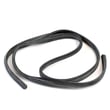
- Door parts: door latch, door gasket (seal), hinges and springs (helps the door close and seal)
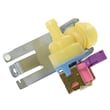
- Water in: water inlet valve, inlet hose, float and float switch (prevents overfilling)
- Washing system: spray arms, circulation pump and motor, sump components
- Draining system: drain pump, drain hose, check valve (helps prevent backflow)
- Heating and drying: heating element (or heater circuit components), vent and fan (on some designs)
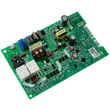
- Controls and sensing: control board, user interface (control panel), door switch, thermistor (temperature sensor)
- Racks and accessories: rack adjusters, rack wheels/rollers, tines, silverware basket
Quick symptom-to-part guide
| Symptom | Parts we check first | What usually causes it |
|---|---|---|
| Not cleaning well | Spray arms, filter area, circulation pump | Clogs, worn pump, low spray pressure |
| Not draining | Drain pump, drain hose, check valve | Debris blockage, failed pump |
| Leaking | Door gasket, lower door seal, inlet/drain hoses | Worn seal, loose clamp, cracked hose |
| Won’t start | Door latch/switch, control board, user interface | Door not registering closed, electrical failure |
| Not drying | Heating circuit, vent/fan, rinse aid system | Heater issue, poor airflow, no rinse aid |
Why these parts get replaced so often
Dishwashers run hot water through narrow passages. Over time, detergent residue, food soil, and mineral scale restrict flow, which makes pumps work harder and can reduce heating and drying performance.
What to do before ordering parts
- Reset power at the breaker for 1 minute and retry a cycle
- Clean the filter area and check spray arm holes for debris
- Inspect the door gasket for tears, flattening, or gaps
- Check the drain hose for kinks and the sink/disposer connection for clogs
- If an error code is showing, match it to the code list before troubleshooting
For code-based troubleshooting on GE models, use GE electronic dishwasher error codes and GE dishwasher error codes.
Last updated: February 2026
What is the most common problem with GE dishwashers?
The most common GE dishwasher problems (including model GDT535PSR6SS) are drain and wash-performance issues: the dishwasher will not drain, will not clean well, or will not start. In many homes, the root cause is a clog, loading/detergent issue, or a door-latch/float condition rather than a major component failure.
Most common symptoms and what usually causes them
- Not draining: clogged filter area, blocked drain hose/air gap, or a jammed drain pump impeller
- Not cleaning well: clogged spray arms, dirty filter, low water fill, or poor loading
- Won’t start: door not fully latched, control lock, delayed start, or a stuck float switch
- Leaking: door gasket issues, oversudsing, loose hose connections, or a cracked sump area
- Not drying: rinse aid empty, heater circuit issue, or plastic items holding water
Quick checks we recommend first (fast, no parts guessing)
- Reset the cycle: cancel/drain, then restart a normal cycle.
- Check the door latch: close firmly; confirm nothing is blocking the latch strike.
- Clean the filter area: remove debris around the sump and filter screen area.
- Inspect spray arms: clear food bits from spray holes; ensure arms spin freely.
- Verify water supply: confirm the shutoff valve is fully open and the fill sounds normal.
- Look for drain restrictions: check the sink drain connection and hose routing for kinks.
Use this table to match the problem to the best next step
| What you notice | Most likely category | Best next step |
|---|---|---|
| Standing water in tub | Drain restriction | Follow a drain-path check and cleaning routine using dishwasher not draining video |
| Dishes gritty or still dirty | Wash performance | Clean filter and spray arms; review loading using dishwasher not cleaning dishes video |
| Lights on but won’t run | Start/controls | Check latch, control lock, delay start; use dishwasher wont start video |
| Beeping or code shown | Error code guidance | Identify the code using GE electronic dishwasher error codes |
Why it matters
Drain and cleaning complaints often come from restricted water flow (dirty filter, clogged spray arms) or restricted draining (hose/connection blockage). Fixing those basics restores normal wash pressure, improves detergent dissolving, and prevents odors and repeat clogs.
Last updated: February 2026





