Error Codes



Does anyone make a 36 inch wall oven?
Yes. Several major brands make 36-inch wall ovens, but they are less common than 24-inch, 27-inch, and 30-inch sizes. If you are replacing a built-in unit like the Tappan 11-1159-00-02, we recommend matching the cabinet cutout dimensions and electrical requirements first, then choosing the oven size.
Most shoppers mean one of these:
- A 36-inch wide single wall oven (rare)
- A 36-inch wide double wall oven (more common than single in this width)
- A 36-inch wide wall oven with French doors (available in some product lines)
Because “36-inch” typically refers to the overall width, the required cutout width can differ by model.
For a safe, clean installation, we focus on these checks first:
- Cabinet cutout width, height, and depth (measure the opening, not the old door)
- Junction box location and conduit length
- Voltage and amperage (many wall ovens are 240V and may require a dedicated circuit)
- Ventilation and clearance around trim
- Door swing and handle clearance (especially with French-door designs)
| Nominal width | How common it is | Typical use case |
|---|---|---|
| 24 inch | Common | Smaller kitchens, condos |
| 27 inch | Common | Older cutouts, mid-size ovens |
| 30 inch | Most common | Standard replacement size |
| 36 inch | Less common | Larger capacity, premium layouts |
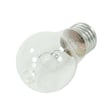
A “36-inch” replacement that does not match your existing cutout can turn into a cabinet modification project. If you are keeping your current oven running while you plan a remodel, we can help with common service parts like the range oven light bulb 316538904 and electrical connection components such as the block 5304409888.
- Measure your current cutout (width, height, depth) and write it down.
- Confirm your power supply (240V circuit and breaker size).
- Decide if you want single vs. double oven capacity.
- If you are repairing the existing unit, start with the symptom (no heat, no light, uneven baking) and match parts to the model.
Last updated: February 2026
What sizes do electric wall ovens come in?
Electric wall ovens (including Tappan model 11-1159-00-02) are most commonly built to fit standard cabinet cutouts in 24-inch, 27-inch, or 30-inch widths, with typical cutout heights around 27 to 29 inches for single ovens. Depth is usually designed for standard cabinetry, commonly about 22 to 24 inches.
Most electric wall ovens fall into these “fit” groups (the cabinet cutout matters more than the outside trim):
- 24-inch: common in smaller kitchens and condos
- 27-inch: a frequent mid-size built-in option
- 30-inch: the most common full-size single wall oven width
- Double wall ovens: typically 27-inch or 30-inch wide, but taller overall
When you are sizing a replacement or confirming fit, we recommend checking these dimensions:
- Cabinet cutout width (most important)
- Cabinet cutout height (single vs. double oven)
- Cutout depth (clearance behind the oven and for wiring)
- Front trim/overall width (covers the cutout)
- Electrical connection location (so the harness is not pinched)
| Wall oven type | Common nominal widths | Typical cutout height | Typical cabinet depth |
|---|---|---|---|
| Single electric wall oven | 24, 27, 30 in. | 27 to 29 in. | 22 to 24 in. |
| Double electric wall oven | 27, 30 in. | 48 to 52 in. | 22 to 24 in. |
| Compact/speed oven | 24, 27, 30 in. | 17 to 20 in. | 20 to 24 in. |
Wall ovens are built around standardized cabinet openings; choosing the wrong width or cutout height can prevent the oven from mounting securely, affect airflow and cooling, and create wiring clearance problems.
If you are reinstalling an older unit like 11-1159-00-02, these parts are commonly checked or replaced during service:
- Oven light: range oven light bulb 316538904
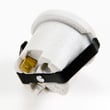
- Light socket: receptacle 316116400
- Power connection block: block 5304409888
Last updated: February 2026
Can you still buy wall ovens?
Yes. Wall ovens are still widely sold today, and you can also keep an existing unit like your Tappan 11-1159-00-02 running by replacing common wear items (heating elements, light parts, and electrical connection parts) as they fail.
Most shoppers are asking one of these:
- New wall ovens are still manufactured (single and double wall ovens)
- Replacement parts are still available for older wall ovens
- A repair is practical versus replacing the entire oven
For the Tappan 11-1159-00-02 wall oven, we commonly see repairs centered around heating performance, interior lighting, and power connections.
If your oven is otherwise in good shape, these are typical “keep it working” parts:
- Oven light: range oven light bulb 316538904
- Light socket: receptacle 316116400
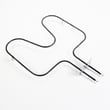
- Heating: element 318255101 (bake function)
- Broiling: range broil element 5303016247
- Power connection: block 5304409888 (terminal block)
| If you have this symptom | Most common next step | Typical outcome |
|---|---|---|
| Oven light out | Replace bulb, inspect socket | Low-cost fix |
| Uneven or weak baking | Test/replace bake element | Restores baking heat |
| No broil heat | Test/replace broil element | Restores broil heat |
| Burning smell at wiring | Inspect terminal block and wiring | Prevents repeat failures |
Wall ovens are a built-in appliance; replacing the whole unit can involve cabinet fit, electrical hookup, and trim alignment. When the issue is a serviceable part (like an element or light socket), repairing the Tappan 11-1159-00-02 is often the fastest way to get reliable cooking back.
Last updated: February 2026
Does anybody repair the Tappan oven anymore?
Yes. Tappan wall ovens like model 11-1159-00-02 are still repairable; most fixes come down to replacing common wear parts (heating elements, light components, or wiring connections) and verifying safe power supply. We support repairs by helping you match the correct replacement parts for your exact model.
Before scheduling service, we focus on the most common, high-success checks for an electric wall oven:
- Confirm the oven has full power (a wall oven typically needs a dedicated 240V circuit; a tripped breaker can leave it partially powered).
- If the oven will not heat, inspect for a failed bake or broil element.
- If the oven light does not work, check the bulb and then the socket.
- If you smell burning or see discoloration at wiring connections, inspect the terminal block area.
- If the oven heats unevenly, look for an element that has blistering, cracks, or visible breaks.
These are frequent repair parts for Tappan 11-1159-00-02 when symptoms match:
| Symptom | Likely part to check | What you may notice |
|---|---|---|
| Oven will not bake | Element 318255101 | No glow, visible break, slow or no heat |
| Broil not working | Range broil element 5303016247 | Top heat missing, poor browning |
| Oven light out | Range oven light bulb 316538904 | Light stays dark but oven heats normally |
| Light still out after bulb | Receptacle 316116400 | Bulb tests good but will not light |
| Intermittent power, heat cuts out | Block 5304409888 | Signs of overheating at wire connections |
Wall ovens run high current. A loose connection (often at a terminal block) or a failing element can cause repeated shutdowns, poor baking performance, or damage to nearby wiring. Addressing the root cause early keeps the repair smaller and safer.
We recommend a qualified technician if any of these apply:
- The breaker trips repeatedly when you start bake or broil.
- You see melted insulation, scorched wires, or arcing.
- You need to pull the oven from the cabinet to access wiring.
Last updated: February 2026