



How to look up chainsaw serial number?
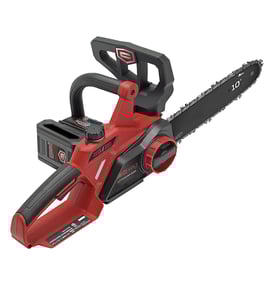
To look up the serial number on your Craftsman 35834810 electric chainsaw, find the serial tag or stamping on the motor housing (often on a flat spot). Once you have it, use it to confirm the exact version of your saw and match the correct replacement parts.
Where to find the serial number on a Craftsman electric chainsaw
Check these common locations first (clean off sawdust and oil so you can read it clearly):
- On the motor housing near the handle area
- On a flat surface on the side of the housing
- Near the bar mount area (behind the side cover)
- On a label plate or sticker on the body
- Occasionally on the underside of the housing
How to use the serial number (and what it helps with)
The serial number is most useful for identifying production runs and confirming small design changes that can affect fit.
- Confirm you are ordering parts for model 35834810 (not a similar Craftsman model)
- Match the correct cutting components (bar and chain)
- Verify hardware and fasteners if your saw has been serviced before
- Reduce returns caused by “looks the same but doesn’t fit” parts
Common parts that depend on correct identification
| What you are replacing | What to match | Example part for this model |
|---|---|---|
| Chain | Pitch, gauge, drive link count | Chain 91PX052G |
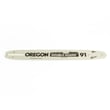
| Guide bar | Length, mount pattern | Bar 140SDEA041 |
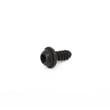
| Screws/fasteners | Thread size, length | Screw 534222402 |
Why it matters
Craftsman chainsaws can have small mid-run changes. Using the serial number along with the model number helps ensure the bar, chain, and mounting hardware you choose fit correctly and tension properly.
Last updated: February 2026
How thick of a tree can an electric chainsaw cut?
Most electric chainsaws, including the Craftsman 35834810, can cut a tree trunk up to about the usable cutting length of the guide bar; a common rule is roughly 2 inches less than the bar length (for example, a 14-inch bar handles about a 12-inch diameter in a single pass). Larger trunks usually require cutting from two sides.
Quick sizing guide (typical)
- Single-pass cut: about bar length minus 2 inches
- Over-bar diameter: cut from both sides, rotating your position around the trunk
- Hardwood vs. softwood: hardwood cuts slower and loads the motor more
- Sharp chain matters most: a dull chain reduces cutting ability and increases kickback risk
- Power source matters: long, undersized extension cords can reduce power and cutting performance
| Your setup | What it means for max diameter | What to do |
|---|---|---|
| Bar is longer than the trunk | One-pass cut is realistic | Keep chain sharp and let the saw do the work |
| Trunk is slightly larger than the bar | Two-pass cut | Cut one side, then finish from the opposite side |
| Trunk is much larger than the bar | Not ideal for an electric saw | Consider smaller sections or different equipment |
What to check on your 35834810 before tackling thicker wood
- Confirm you have the correct bar and chain size installed
- Keep proper chain tension and bar lubrication
- Replace worn cutting components when performance drops
If you need replacements, the parts list for this model includes a 14-inch bar 140SDEA041 and matching chain 91PX052G.
Why it matters
Cutting beyond the bar’s practical capacity increases binding, overheating, and kickback risk. Staying within the bar’s effective cutting diameter helps the motor maintain speed and keeps cuts controlled.
Last updated: February 2026
What is the difference between 40v and 80v chainsaws?
An 80V chainsaw typically delivers more cutting power and maintains chain speed better under load than a 40V model; that usually means faster cuts in thicker wood and less bogging. For a Craftsman electric chainsaw like model 35834810, voltage comparisons mainly apply when you are choosing a battery platform, not when ordering replacement parts.
What voltage changes in real use
- Power under load: 80V systems generally hold torque and chain speed better in dense hardwood.
- Best-fit job size: 40V is commonly used for light to medium trimming and smaller logs; 80V is commonly chosen for heavier cutting.
- Runtime expectations: Higher voltage does not automatically mean longer runtime; battery amp-hours (Ah) and how hard you cut matter most.
- Tool weight: 80V saws often weigh more because of larger batteries and heavier-duty components.
- Heat management: Higher-power systems can run cooler at the same workload, which helps consistency during longer cuts.
Quick comparison
| Feature | 40V chainsaw (typical) | 80V chainsaw (typical) |
|---|---|---|
| Cutting workload | Light to medium | Medium to heavy |
| Chain speed under load | More likely to slow | Holds speed better |
| Battery size/weight | Smaller/lighter | Larger/heavier |
| What to shop for | Battery + charger ecosystem | Battery + charger ecosystem |
Why it matters when you own model 35834810
Your Craftsman 35834810 is an electric chainsaw model with its own fit-specific wear items. When performance drops, the fix is often maintenance or replacing cutting components, not changing voltage. For example, a worn chain or damaged bar can make any saw cut slowly.
Parts that most affect cutting performance
- Replace a dull or stretched chain with the correct chain 91PX052G.
- If the bar rails are worn or the nose is damaged, replace the bar 140SDEA041.
- Keep chain tension correct and bar oiling consistent (a dry chain cuts poorly and wears fast).
Last updated: February 2026
What are the disadvantages of electric chainsaws?
Electric chainsaws like the Craftsman 35834810 trade convenience for limits: corded models restrict your working range, and both corded and cordless versions typically have less sustained cutting power than comparable gas saws for heavy, all-day work.
Common disadvantages (corded vs cordless)
- Limited mobility (corded): you are tethered to an outlet and extension cord length.
- Cord management (corded): the cord can snag, get cut, or force awkward cutting positions.
- Runtime limits (cordless): battery capacity can limit how long you can cut before recharging.
- Power limits for big jobs: electric saws can bog down faster in large hardwood, thick trunks, or long continuous cuts.
- Weather and environment sensitivity: wet conditions increase electrical risk; dusty debris can stress vents and switches.
- Less “field serviceable”: if a motor, switch, or wiring fails, repair is often more electrical-diagnostic than mechanical.
Quick comparison
| Feature | Corded electric | Cordless electric |
|---|---|---|
| Mobility | Lowest | High |
| Continuous run time | High (with power) | Limited by battery |
| Best use | Yard work near power | Light to medium cutting anywhere |
| Common drawback | Cord hazards | Battery cost and downtime |
What to do if performance feels weak
If your 35834810 seems underpowered, these checks usually make the biggest difference:
- Confirm the chain is sharp and properly tensioned.
- Make sure the bar groove and oiling path are clean.
- Use the correct replacement cutting parts for fit and cutting speed, such as the chain 91PX052G and bar 140SDEA041.
- Avoid forcing the cut; let the chain do the work.
- Inspect the power cord/extension cord for damage and voltage drop (corded models).
Why it matters
Choosing the right saw type helps you cut safer and faster. If you routinely cut large hardwood or need long, uninterrupted run time far from power, a gas saw often fits better; for quick trimming and storm cleanup near home, electric can be the simpler choice.
Last updated: February 2026