
Is Evcon the same as Coleman?
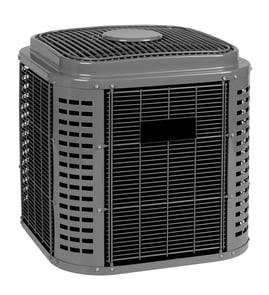
Evcon and Coleman are closely related brands, but they are not exactly the same name. For Coleman Evcon central air conditioner model BRCQ0361CB, you will often see “Coleman-Evcon” used because the Evcon brand was created from Coleman’s HVAC division and later marketed under the combined Coleman-Evcon branding.
Here’s the simplest way to think about it:
- Coleman is the long-standing brand name.
- Evcon originated from Coleman’s heating and air conditioning business.
- Over time, products were commonly marketed under Coleman-Evcon, so the names are often used together.
- For parts and service research, the model number (BRCQ0361CB) is the most reliable identifier.
Brand names can change over time, but the model number stays the key to matching the correct components (like a contactor, capacitor, condenser fan motor, or compressor-related electrical parts).
- Use the full model number BRCQ0361CB when searching
- Match parts by model compatibility, not just by brand label
- Compare electrical ratings (voltage, microfarads for capacitors, amp ratings for fuses)
| What you see on the unit | What it usually means | What to do |
|---|---|---|
| Coleman | Coleman-branded HVAC product | Search by model number |
| Evcon | Product line tied to Coleman HVAC history | Search by model number |
| Coleman-Evcon | Co-branded marketing used in later years | Search by model number |
Using the correct brand history helps, but correct parts selection depends on exact model identification. That prevents ordering a look-alike electrical part that does not match the required specs.
For help confirming the exact model tag format and where to find it on the cabinet, use how to find your appliance model number (and what it means for parts).
Last updated: February 2026
What is the average cost of a new central air conditioning unit?
A new central air conditioning unit typically costs about $5,000 to $12,000 installed for many homes, with higher prices when you need ductwork changes, electrical upgrades, or higher-efficiency equipment. For a Coleman BRCQ0361CB system replacement, the installed price depends most on size (tons), efficiency (SEER2), and installation complexity.
- System size (capacity): Most homes use roughly 2 to 5 tons; bigger systems cost more.
- Efficiency rating (SEER2): Higher SEER2 usually raises upfront cost but can lower energy use.
- What you’re replacing: Condenser only vs. condenser plus indoor coil, line set, or air handler/furnace.
- Ductwork condition: Repairs, sealing, or resizing can add significant labor.
- Electrical and code items: Disconnect, breaker, wiring, pad, and required safety updates.
- Refrigerant and compatibility: Matching the outdoor unit to the indoor coil and refrigerant type matters.
| Scenario | Typical installed range | Notes |
|---|---|---|
| Basic replacement (existing ductwork, straightforward swap) | $5,000 to $9,000 | Most common when everything is accessible and compatible |
| Higher-efficiency upgrade (premium SEER2, more labor) | $8,000 to $12,000+ | Often includes additional setup and commissioning |
| Replacement with ductwork or major electrical work | $10,000 to $18,000+ | Costs rise quickly with duct and electrical changes |
- Confirm your required tonnage (load calculation beats “same size as before”).
- Decide your efficiency target (SEER2) based on budget and run time.
- Ask whether the quote includes a matched indoor coil and new line set if needed.
- Verify what’s included for permits, disposal, start-up, and refrigerant charge.
- Use your exact model number when shopping parts or cross-referencing components: how to find your appliance model number (and what it means for parts).
An undersized or oversized central AC can short-cycle, struggle with humidity, and wear out faster. Paying for correct sizing and a proper matched system usually saves money over the life of the equipment.
Last updated: February 2026
What is the average lifespan of a central air conditioning unit?
Most central air conditioning units last 15 to 20 years with normal use and regular maintenance. For your Coleman BRCQ0361CB central air conditioner, consistent airflow, clean coils, and correct electrical operation are the biggest factors that determine whether you reach the high end of that range.
Here are practical expectations we see for central AC systems:
- 15 to 20 years: Modern, properly sized systems with routine maintenance
- 10 to 12 years: Units with heavy run time, poor maintenance, or harsh conditions
- 20+ years: Possible when the system is well maintained and repairs are handled early
| Condition | What you can expect | What usually shortens life |
|---|---|---|
| Regular maintenance | Longer service life | Dirty coils, clogged filters, low airflow |
| Correct electrical supply | Fewer breakdowns | Loose connections, overheated wiring |
| Proper sizing and airflow | Better efficiency | Short cycling, duct restrictions |
If your unit is approaching the typical age range, these symptoms often show up first:
- Cooling takes longer or the home never reaches set temperature
- Rising energy bills with no change in usage
- Frequent service calls for electrical or refrigerant-related issues
- Outdoor unit is louder than normal (fan motor or compressor strain)
- Icing on the coil or refrigerant lines caused by airflow problems
These steps protect the compressor, fan motor, and electrical controls:
- Replace or clean the air filter on schedule
- Keep the outdoor coil clear of debris and maintain clearance around the unit
- Confirm supply and return vents are open and unobstructed
- Tighten up basic maintenance habits before peak season (spring and summer)
- Use safe electrical testing practices when troubleshooting (or stop and use a technician)
For electrical checks and safe DIY habits, we recommend: are diy appliance repairs safe and how to use a multimeter to test electrical parts video.
A central AC that is near the end of its lifespan often costs more to keep running, cools less evenly, and is more likely to fail during extreme heat. Planning ahead helps you avoid emergency downtime and rushed repair decisions.
Last updated: February 2026
What is the most expensive part to replace on an AC unit?
On a Coleman Evcon central air conditioner like model BRCQ0361CB, the compressor is typically the most expensive single part to replace because it is the sealed, high-load component that pumps refrigerant through the system; when it fails, labor and refrigerant-handling costs also rise.
The compressor sits in the outdoor condensing unit and does the hardest work in the refrigeration cycle. Replacement cost climbs quickly because it often involves:
- Recovering and recharging refrigerant (EPA-regulated work)
- Brazing or replacing refrigerant lines and installing a new filter drier
- Electrical diagnosis (contactor, capacitor, wiring, overload)
- System cleanup if there was a burnout (acid and debris)
- Longer labor time than most AC repairs
Depending on the system design and what failed, these can also be expensive:
- Condenser coil (outdoor coil)
- Evaporator coil (indoor coil)
- Control board (on some systems)
- Fan motor (condenser fan motor)
- Refrigerant metering device (TXV) when paired with a coil replacement
| Part | Why it gets expensive | Typical “repair vs replace” trigger |
|---|---|---|
| Compressor | Sealed system labor, refrigerant work, cleanup | Older unit, burnout, repeat leaks |
| Coils | Refrigerant work plus major disassembly | Coil leak, corrosion, restricted coil |
| Control board | Diagnostics and model-specific electronics | Repeated electrical faults |
| Fan motor | Moderate labor, sometimes hard-to-match specs | Motor seized, overheating, noisy bearings |
A compressor failure can be a turning point: if the unit is older or has a history of leaks or electrical damage, investing in a major sealed-system repair may not be the best long-term value.
- Confirm the thermostat is calling for cooling and the disconnect is on
- Check for obvious electrical issues (tripped breaker, burned wires, loose lugs)
- Test the run capacitor and contactor (common compressor “no-start” causes)
- Verify condenser coil airflow (dirty coil can overheat and damage the compressor)
- Have a technician confirm compressor winding and insulation readings
For safe electrical testing basics, use our guide: how to use a multimeter to test electrical parts video.
Last updated: February 2026
What are signs of a failing AC outdoor unit?
If your Coleman Evcon central air conditioner model BRCQ0361CB has an outdoor unit (condenser) that is failing, you’ll usually notice weaker cooling, unusual sounds, or the system short cycling (turning on and off too often). These symptoms often point to airflow, electrical, or refrigerant-side problems that need prompt attention.
- Warm or weak air indoors even with the thermostat set low
- Outdoor unit runs but cooling is poor (or the indoor blower runs with little cooling)
- Frequent cycling (starts, stops, then restarts within minutes)
- Unusual noises outside: buzzing, rattling, grinding, or loud humming
- Ice on the refrigerant lines or coil (often tied to airflow or refrigerant issues)
- Burning smell or repeated tripped breaker (electrical problem)
Turn power off at the disconnect and breaker before inspecting anything.
- Confirm the thermostat is set to COOL and the temperature is set below room temp
- Replace or clean the air filter (a clogged filter can mimic outdoor unit failure)
- Make sure the outdoor coil is not blocked by leaves, lint, or grass clippings
- Check that the outdoor fan spins freely (with power off) and is not hitting debris
- Look for obvious wire damage or loose connections (do not touch energized wiring)
| Symptom | Most common cause | What to do next |
|---|---|---|
| Buzzing, then no start | Contactor or capacitor issue | Have electrical components tested |
| Runs constantly, weak cooling | Dirty coil, low airflow, refrigerant issue | Clean coil, verify airflow, then service |
| Short cycling | Overheating, control issue, refrigerant problem | Check coil cleanliness and airflow first |
| Breaker trips | Shorted compressor, fan motor, or wiring | Stop using and schedule service |
Running a struggling outdoor unit can overheat the compressor, increase energy use, and turn a small electrical or airflow problem into a major repair. Catching the early signs helps protect the condenser and indoor coil.
For basic electrical troubleshooting steps (like checking for a blown fuse or testing safely), use our guides: how to tell if a fuse is blown and how to use a multimeter to test electrical parts video.
Last updated: February 2026