Owner’s manual
 Error Codes


What is the average lifespan of a Samsung dryer?
A Samsung dryer typically lasts 10 to 15 years. For your Samsung DVG45R6300V dryer, consistent airflow and basic maintenance (especially lint and vent cleaning) are what most often push real-world life toward the high end of that range; see the DVG45R6300V owner's manual for model-specific care and cleaning guidance.
What affects dryer lifespan the most
- Vent restriction (long duct runs, crushed flex duct, clogged hood)
- Lint buildup in the lint filter area and blower housing
- Overloading (extra strain on the drum belt, rollers, and motor)
- Heat stress from poor airflow (can shorten thermostat and sensor life)
- Moisture and corrosion in laundry rooms with poor ventilation
Maintenance checklist (best return on effort)
- Clean the lint filter before every load.
- Check that the dryer exhaust is blowing strongly outside.
- Keep loads sized so clothes tumble freely.
- Periodically vacuum lint around the door opening and lint filter chute.
- If dry times increase, address venting first; use the duct length guidance in the DVG45R6300V owner's manual.
Typical lifespan by component (what usually wears first)
| Component | Typical service life | Common symptom |
|---|---|---|
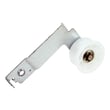
| Drum belt | 5 to 10 years | Drum will not turn, squealing |
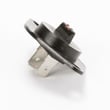
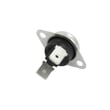
| Thermostats/sensors | 7 to 12 years | Overheating, no heat, long dry times |
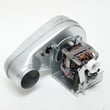
| Motor | 10 to 15 years | Humming, no start, intermittent running |
Why it matters
Most “dryer failures” that seem like a bad heater or control board are actually airflow problems. Keeping the vent path clear reduces overheating, improves drying performance, and helps key parts like thermostats and the motor last longer.
Last updated: February 2026
How to tell if a Samsung dryer heating element is bad?
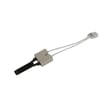
If your Samsung dryer (model DVG45R6300V) runs but produces little or no heat, the heating element is often the problem. We confirm it by unplugging the dryer, inspecting the element for a broken coil, and testing the element with a multimeter for continuity and for a short to the metal housing.
Quick checks before you test parts
- Clean the lint filter and make sure airflow is strong at the outside vent.
- Verify you are using a heat cycle (not Air Fluff or a no-heat setting).
- Watch for heat-related information codes such as HC (high temperature heating check) or thermistor codes like tC/tC5, which can point to airflow or temperature-sensing issues.
- If drying is slow, check for a restricted vent run, crushed duct, or clogged hood.
How we test a heating element (multimeter)
- Disconnect power (unplug the dryer; for electric models, confirm the breaker is off).
- Access the heater housing as shown in the DVG45R6300V owner's manual.
- Visual inspection: look for a separated or burned-through coil.
- Continuity test: place one probe on each element terminal.
- Ground test: place one probe on an element terminal and the other on bare metal of the heater housing.
What the readings mean
| Test | Normal result | Bad result |
|---|---|---|
| Continuity across terminals | Continuity present (meter beeps or shows resistance) | No continuity (open circuit) |
| Terminal to metal housing | No continuity | Continuity (short to ground) |
Related parts that can mimic “no heat”
A failed safety device or sensor can stop heat even when the element is good. For this model, common heat-related parts include:
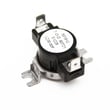
- Dryer thermal cut-off thermostat DC47-00016A (opens if overheating occurs)
- Dryer high-limit thermostat DC47-00017A (limits heater temperature)
- Dryer thermistor DC32-00007A (temperature sensing tied to codes like tC)
Why it matters
A bad heating element causes long dry times or no heat, but restricted airflow can also trigger overheating protection and shut heat down. Fixing venting and confirming the correct failed part prevents repeat failures and improves drying performance.
Last updated: February 2026
Is it worth replacing a heating element in a Samsung dryer?
Yes, it’s usually worth replacing the heating element in a Samsung dryer when the rest of the machine is in good shape because the repair cost is typically far less than replacing the dryer. For the Samsung DVG45R6300V, confirm the dryer’s heater type and heating specs in the DVG45R6300V owner's manual before ordering parts.
When replacing the heater is the right call
We recommend heater replacement when the dryer tumbles normally, airflow is strong, and the only symptom is “no heat” or weak heat.
- The drum turns and the timer runs, but clothes stay damp
- No burning smell, no repeated shutdowns, no severe overheating symptoms
- Venting is clear and within typical duct length limits (long, restricted vents cause poor drying)
- You’ve already cleaned the lint filter and checked the exhaust duct for blockage
- The dryer is otherwise reliable (controls, motor, and drum support feel normal)
Don’t misdiagnose “no heat” (common on Samsung dryers)
A failed safety device or sensor can mimic a bad heater. On this model, heat control and safety components are part of the normal troubleshooting path.
- A temperature sensor can read incorrectly and shut heat down
- A thermal cut-off can open if the dryer overheats (often from restricted airflow)
- A high-limit thermostat can trip if temperatures climb too high
Parts that commonly relate to heating symptoms
| Symptom | Common related part | What it affects |
|---|---|---|
| No heat, cycles end with damp clothes | Dryer thermal cut-off thermostat DC47-00016A | Cuts power to heat if overheating occurs |
| Overheats, shuts heat off, long dry times | Dryer high-limit thermostat DC47-00017A | Limits max heater temperature |
| Erratic temps, under-drying | Dryer thermistor DC32-00007A | Helps the control regulate temperature |
Why it matters
Replacing the heater without fixing airflow or a failed thermostat often leads to repeat failures. The DVG45R6300V manual includes ducting guidance and heater ratings (gas and electric), which helps you match the symptom to the correct repair and avoid overheating conditions.
Last updated: February 2026