


How to fix fe code kenmore washer?
On Kenmore washer model 11091520100, an FE code points to an overfill condition (the washer thinks water is still coming in). We fix it by stopping the fill, then checking the water inlet valve for leaking, the pressure hose for issues, and the drain system if the tub is not emptying correctly.
Quick safety step first
- Press Pause/Cancel (or turn the timer to Off) to stop the cycle.
- Turn both water supply valves off at the wall.
- If the tub is full, set to Drain/Spin; if it will not drain, unplug the washer and bail water as needed.
Most common causes and what to check
- Water inlet valve leaking: If water continues entering with the washer off and valves on, the inlet valve is sticking open.
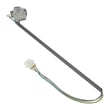
- Pressure switch hose problem: A loose, kinked, or pinched air dome hose can prevent the washer from sensing the correct water level.
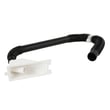
- Siphoning (standpipe issue): If the drain hose is shoved too far down the standpipe, the washer can fill and drain at the same time, confusing water-level sensing.
- Drain restriction: A slow drain can make the washer appear to be overfilling because the water level never drops.
Parts that commonly solve FE-related symptoms
If your checks point to a fill or drain component, these model-compatible parts are common fixes:
- Mixing valve 285805 (water inlet valve assembly)
- Water pump WP3363394 (drain pump)
| Symptom you see | Most likely area | Typical fix |
|---|---|---|
| Water enters even when washer is off | Inlet valve | Replace inlet valve assembly |
| FE happens during fill, water level seems wrong | Pressure hose/sensing | Reseat/clear hose; inspect for cracks |
| Washer fills but won’t empty well | Drain system | Clear drain path; replace drain pump if weak |
Why it matters
An FE overfill condition can lead to leaks, poor wash performance, and repeated cycle interruptions. Correcting the fill sensing and stopping unwanted water flow protects the tub, motor, and surrounding flooring.
Last updated: January 2026
What is the capacity of a Kenmore 110 series washer?
Most Kenmore 110 series top-load washers, including model 11091520100, are typically around 3.2 cu. ft. capacity; exact capacity can vary by the specific 110-series design and tub style. If you are sizing loads, treat 3.2 cu. ft. as a reliable baseline for this model family.
How to estimate the right load size for a 3.2 cu. ft. washer
A 3.2 cu. ft. top-load washer is designed for everyday family loads, but performance depends on how you load and balance items.
- Load items loosely; do not pack or compress laundry
- Keep bulky items (towels, jeans, blankets) balanced around the basket
- Fill to about 3/4 of the basket height for most mixed loads
- Use the correct water level or cycle selection for the load
- If the washer bangs or walks, reduce the load and rebalance
Common signs the load is too large (or too small)
Overloading and underloading both cause problems like poor cleaning, vibration, and spin issues.
| What you notice | What it usually means | What to do |
|---|---|---|
| Clothes come out with dry spots | Load packed too tightly | Reduce load, load loosely |
| Washer thumps during spin | Load out of balance or too heavy | Rebalance, remove heavy items |
| Poor agitation or slow turnover | Overloaded basket | Reduce load size |
| Excess suds or residue | Too much detergent for load size | Use less detergent |
Why it matters
Capacity affects cleaning, rinsing, and spin performance. Keeping loads sized correctly helps protect the drive system (motor, clutch, coupling) and reduces strain that can contribute to vibration or no-spin complaints.
Parts that commonly get stressed by chronic overloading
If the washer struggles to agitate or spin after repeated heavy loads, these model-compatible parts are often involved:
- Coupling 285753A (connects the motor to the transmission drive)
- Clutch 285785 (helps the basket reach full spin speed)
- Water pump WP3363394 (drains water so the washer can spin properly)
Last updated: January 2026
What is the average lifespan of 11091520100?
A Kenmore top-load washer like model 11091520100 typically lasts 10 to 14 years with normal household use and basic maintenance. Keeping the washer level, avoiding overloads, and fixing small leaks or drain issues early helps it reach the high end of that range.
Typical lifespan and what affects it
Most lifespan differences come down to load size, water quality, and how quickly wear parts are replaced.
- Overloading speeds up wear on the drive system and suspension
- Frequent heavy loads increase stress on the clutch and drive components
- Hard water and detergent buildup can contribute to valve and drain problems
- Running with a small leak can damage bearings, seals, and the drive tube area
- A washer that is not level can cause out-of-balance spinning and extra vibration
Common wear items that can extend service life
Replacing worn parts when symptoms first show up often prevents bigger, more expensive failures.
- Coupling 285753A (if the motor runs but the washer will not agitate or spin)
- Water pump WP3363394 (if the washer will not drain or you find pump-area leaks)
- Clutch 285785 (if spin is weak, slow, or slips under load)
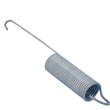
- Washer suspension spring WP63907 (if the tub bangs or the washer walks)
Quick symptom-to-part guide
| Symptom | What it often points to | Example part on this model |
|---|---|---|
| Motor runs, no agitation/spin | Drive coupling worn | Coupling 285753A |
| Won’t drain, humming at drain | Pump jammed or failed | Water pump WP3363394 |
| Slow/weak spin, burning smell | Clutch slipping | Clutch 285785 |
| Excessive shaking/banging | Suspension wear or leveling | Washer suspension spring WP63907 |
Why it matters
Knowing the expected lifespan helps you decide whether to repair or refresh key components. On a washer in the 10 to 14 year range, addressing a drain or drive issue early can prevent secondary damage to seals, bearings, and the basket drive.
Last updated: March 2026





