Owner’s manual
 View engine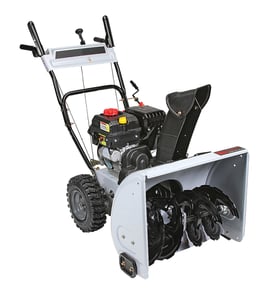



How to find snowblower model number?
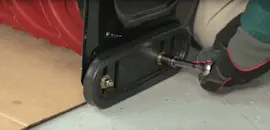
For a Craftsman snow thrower, the model number is printed on the product identification label; on model 536.889252, it’s commonly found on the rear of the unit near the wheel area. Use the model number to match the correct parts list and operator instructions in the 536889252 operator’s manual.
Where to look on the snowblower
Check these common label locations first (wipe off snow, salt, and grime so the numbers are readable):
- Rear of the snowblower frame between or just above the wheels
- Back of the housing near the handles (operator position)
- Side of the frame near the axle or wheel brackets
- Near the engine area under the hood (if equipped)
What the model number looks like
On this Craftsman unit, the model is shown in the manual as 536.889252 (often printed with a dot). When searching parts, you may also see it written without punctuation as 536889252.
| You see on the label | Use for parts lookup | Notes |
|---|---|---|
| 536.889252 | 536889252 | Same model; formatting varies |
| 536889252 | 536889252 | Common online format |
Tips to avoid ordering the wrong parts
Once you find the label, record the full model number before shopping for belts, shear pins, or chute parts.
- Copy every digit exactly; one wrong digit can change the parts diagram
- Take a clear photo of the label for reference
- If the label is damaged, compare key assemblies (auger, chute, drive system) to the diagrams in the manual
- Keep the model number handy for maintenance tasks like belt replacement or chute adjustments
Why it matters
Snowblower parts are model-specific. Using the correct model number helps ensure you get the right fit for items like an auger drive belt, shear pin kit, or chute hardware, and it matches the safety and operating instructions for your exact machine.
Last updated: January 2026
Should I use 87 or 91 for snowblower?
For Craftsman snow thrower model 536889252, we recommend using clean, fresh, unleaded gasoline with at least 87 octane; using 91 octane does not improve snowblower performance in normal operation. For exact fuel guidance and storage steps, follow the 536889252 owner's manual.
What to use (and what to avoid)
- Use fresh unleaded gasoline (minimum octane requirement is met by 87).
- Avoid old fuel; stale gas is a top cause of hard starting and rough running.
- Avoid storing the snowblower with untreated fuel; treat fuel or run the tank empty before long storage.
- Keep fuel away from ignition sources during storage.
87 vs 91: quick comparison
| Fuel choice | Works in model 536889252? | When it makes sense |
|---|---|---|
| 87 octane (regular) | Yes (meets minimum) | Everyday snow blowing, best value |
| 91 octane (premium) | Yes | Only if it is the freshest fuel available; not a power upgrade |
Storage and winter fuel tips
If the snowblower will sit for 30 days or more, fuel care matters more than octane.
- Run the engine until the tank is empty and the engine stops, or
- Add fuel stabilizer to the gasoline left in the tank
- Let the engine cool before storing in an enclosure
- Store away from appliances with pilot lights (water heater, furnace, dryer)
Why it matters
Using the correct fuel helps prevent gum and varnish deposits in the carburetor and fuel system, which reduces no-start problems and keeps your Craftsman snowblower ready for the next storm.
Last updated: January 2026
What is the typical lifespan of a gas snowblower?
A typical gas snowblower like the Craftsman 536889252 lasts 10 to 15 years with normal residential use; with consistent maintenance and proper off-season storage, it commonly reaches 15 to 20 years.
What most affects lifespan
- Maintenance frequency: oil changes, lubrication, and periodic adjustments
- Fuel care: clean, fresh unleaded gasoline and fuel stabilizer for storage
- Usage intensity: heavy, wet snow and long run times increase wear
- Storage conditions: dry storage and rust prevention on bare metal
- Wear items replaced on time: belts, shear bolts, and fasteners
Maintenance habits that extend life (based on the manual)
The Craftsman 536889252 owner guidance emphasizes routine checks and storage steps that directly impact longevity.
- Verify engine oil level before operation; use detergent oil rated SG, SH, SJ, SL, or higher
- Use clean, fresh unleaded gasoline (minimum 85 octane)
- After each use: clear snow from the auger area, remove snow and slush, tighten loose fasteners, and replace worn parts promptly
- For storage longer than 30 days: clean the unit, lubricate points, protect bare metal with rust preventative, and treat or remove gasoline to prevent gum deposits
Quick lifespan expectations by care level
| Care level | Typical lifespan | What it looks like |
|---|---|---|
| Minimal upkeep | 8 to 12 years | More rust, belt and cable issues, fuel system problems |
| Regular seasonal maintenance | 10 to 15 years | Reliable starts, consistent throwing performance |
| Diligent maintenance + proper storage | 15 to 20 years | Fewer breakdowns, longer engine and drive life |
Why it matters
Most “end of life” snowblower problems are really maintenance and wear-item issues (fuel varnish, rusted linkages, worn belts, broken shear bolts). Staying ahead of those keeps the engine and drive system working for many seasons.
Helpful references for this model
- Use the 536889252 owner's manual for the exact maintenance schedule and storage procedure.
- Keep spare shear bolts on hand; the auger uses shear bolts designed to break to protect the gearbox (see kit shearbol 1501227MA).
Last updated: January 2026
What is the best gas-powered snowblower?
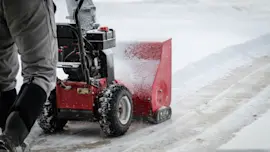
The best gas-powered snowblower is the one sized for your snowfall and the area you clear. If you regularly face deep, heavy snow, a two-stage machine like Craftsman model 536889252 (33-inch, dual-stage, electric start) is the right style; confirm operating features in the 536889252 operator’s manual.
How we recommend choosing the “best”
Start with the job requirements, then compare features that improve control and comfort.
- Snow depth and type (powder vs. wet, heavy snow)
- Clearing area size (walks vs. long driveways)
- Intake width (wider clears faster, needs more space)
- Two-stage vs. single-stage (two-stage handles plow berms better)
- Convenience features (electric start, chute controls, headlight, heated grips)
Quick match table
| Your conditions | Best snowblower type | What you gain |
|---|---|---|
| Deep snow, end-of-driveway piles | Two-stage gas | Stronger intake and throwing power |
| Wide areas, fewer passes | 28 to 33-inch class | Faster clearing per pass |
| Tight spaces, lighter handling | Single-stage gas | Easier maneuvering and storage |
Keep performance “best” all season
Good fuel, correct oil level, and wear-part checks prevent bogging, slipping, and breakdowns.
- Use clean, fresh unleaded gasoline (the manual specifies minimum 85 octane)
- Keep engine oil at the proper level and use the oil type listed in the manual
- After each use, stop the engine, remove the ignition key, and clear packed snow from controls
- If the auger stops suddenly after hitting ice or debris, replace the shear pins like kit shearbol 1501227MA
- If the auger drive slips or will not engage, inspect the belt such as snowblower gas belt 585416MA
Why it matters
Matching the machine type to your snow conditions reduces clogging and strain on the auger and drive system, and it shortens clearing time.
Last updated: January 2026