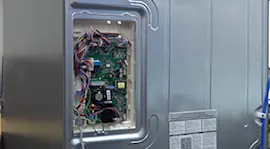
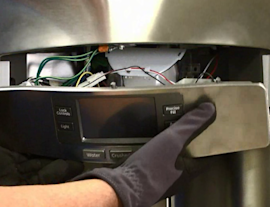
Installation guide
 Owner’s manual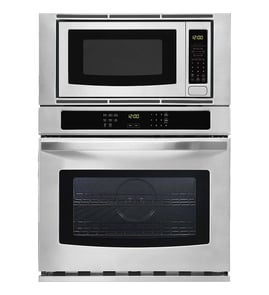



What is the most popular size wall oven?
A 30-inch wall oven is the most popular size in most kitchens because it offers a roomy oven cavity and fits many standard cabinet cutouts. For the Kenmore 79049613315 wall oven/microwave combo, the installation guide shows common cutout sizing for 27-inch and 30-inch wall ovens, so measuring your cabinet opening is the key step.
How to choose the right wall oven size
We recommend matching the oven size to your existing cutout and cooking needs.
- Measure the cabinet cutout (width, height, and depth) before shopping.
- 30-inch is the most common choice for full-size baking and roasting.
- 27-inch is common in older homes and tighter cabinet layouts.
- Confirm door clearance in front of the oven so it can open fully.
- Make sure the cabinet base can support the appliance weight.
What the installation guide highlights for fit
The Kenmore 79049613315 installation instructions emphasize comparing your current cutout to the required cutout dimensions and keeping the oven centered using any factory spacers. See the installation guide for the cutout chart and clearance notes.
| Common wall oven size | Typical use case | Cabinet fit note |
|---|---|---|
| 27-inch | Replacing an older wall oven, smaller kitchens | Often avoids cabinet modifications |
| 30-inch | Most new installations and remodels | Most common “standard” cutout width |
Why it matters
Choosing the right size prevents cabinet rework, helps the trim sit flush, and reduces the risk of heat buildup from an improper fit. It also helps ensure safe clearances and a smoother installation.
Last updated: January 2026
Are all 30 inch wall ovens the same size?
No. “30-inch” wall ovens are not all the same size; 30 inches is a nominal width, and the actual cabinet cutout and overall oven dimensions vary by brand and model. For Kenmore model 79049613315, you should size the cabinet opening to the cutout dimensions listed in the installation guide.
What “30-inch” usually means
A 30-inch wall oven is typically designed to fit a 30-inch cabinet width class, but manufacturers often build in small differences for trim, airflow, and mounting.
Common variations include:
- Actual oven frame width being slightly under or over 30 inches
- Different required cutout width and cutout height
- Different trim overlap (how much the decorative trim covers the cabinet opening)
- Different required cutout depth (critical for the trim to sit flush)
Model-specific sizing notes for Kenmore 79049613315
The installation instructions for this model emphasize measuring your existing cutout first and matching it to the cutout chart for the model. They also note that cutout depth is critical; if the decorative trim does not butt against the cabinet, the cutout depth needs to be verified.
Before ordering a replacement unit or planning cabinetry changes, we recommend:
- Measure cutout width, height, and depth in multiple spots
- Confirm the minimum clearance needed in front of the oven for the door when open
- Confirm the base can support the oven’s weight rating listed in the installation instructions
- Keep any factory spacers in place (if equipped) so the oven stays centered
Quick comparison: “30-inch class” vs exact fit
| What you’re comparing | What can differ | What to match |
|---|---|---|
| Advertised size (“30-inch”) | Often nominal | Use cutout specs, not marketing size |
| Cutout width/height/depth | Varies by model | Match the installation cutout chart |
| Trim overlap | Varies | Ensure trim covers the opening |
Why it matters
If the cutout is even slightly off, the oven may not sit flush, the trim may not cover gaps, or airflow and heat management can be affected. Correct cutout sizing also helps prevent installation stress on the frame and cabinet.
Last updated: January 2026
How do I know if my wall oven is 27 or 30?
For Kenmore wall oven/microwave combo model 79049613315, you can confirm whether it is a 27-inch or 30-inch unit by measuring the cabinet cutout width (inside edge to inside edge) and comparing it to the installation cutout requirements listed in the installation guide.
How to measure the cutout correctly
Use a tape measure and measure the opening where the oven installs (not the oven door or trim).
- Measure cutout width: left inside cabinet edge to right inside cabinet edge
- Measure cutout height: bottom support surface to the top of the opening
- Measure cutout depth: front of cabinet to the back wall (depth is critical for trim to sit flush)
- Measure in multiple spots (top, middle, bottom) to catch out-of-square cabinets
- Remove any filler strips or trim pieces that reduce the opening
Cutout width quick comparison (what to look for)
The installation instructions list different minimum cutout widths for 27-inch vs 30-inch wall ovens.
| Nominal oven size | Typical cutout width you will measure | What it means |
|---|---|---|
| 27-inch | About 25 1/4 in. | Fits a 27-inch wall oven cutout |
| 30-inch | About 28 1/2 in. | Fits a 30-inch wall oven cutout |
Why it matters
A 27-inch and 30-inch wall oven use different cabinet openings and trim coverage. If the cutout is too wide or too narrow, the oven may not mount securely, the decorative trim may not sit flush, and airflow clearances can be affected.
Related tip for this model
If your oven has been running hot or baking unevenly, confirm the size first, then check temperature accuracy and sensor operation. A failing sensor can cause temperature swings.
- If the displayed temperature seems off, verify with an oven thermometer
- If preheat takes much longer than normal, inspect heating performance
- If you see temperature-related error codes, use the Kenmore 790 manual clean wall oven error codes reference
- If you suspect a sensor issue, the cooking appliance oven temperature sensor 5304504897 is a common part involved
Last updated: January 2026