



What does RACA mean in HVAC?
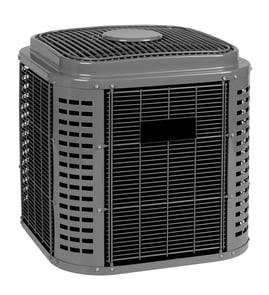
In HVAC, RACA is most commonly used as a model or series identifier, not a universal industry acronym. On this Rheem central air conditioner parts page, RACA refers to the Rheem model number RACA for the outdoor condensing unit, which you use to match the correct replacement parts.
How RACA is used on a Rheem system
When you see RACA on the data plate or paperwork, it typically helps identify the outdoor unit family so you can select compatible electrical and fan components.
Common places you’ll see it:
- The outdoor unit rating plate (near the electrical panel)
- Service paperwork or a parts list
- Model/serial label inside the condenser cabinet
- Online parts lookup for Rheem equipment
RACA vs. common HVAC abbreviations
RACA can be confused with general HVAC shorthand. Here’s a quick comparison:
| Term you see | Usually means | How it’s used |
|---|---|---|
| RACA | Rheem model/series identifier | Parts matching for the condensing unit |
| RAC | Room air conditioner (common) | Window/portable AC category |
| A/C | Air conditioning | General system description |
| R/A | Refrigeration/air (varies) | Informal trade shorthand |
Why it matters for parts and troubleshooting
Using the exact model identifier prevents mismatched electrical parts (like a capacitor or contactor) and airflow parts (like a condenser fan motor).
For example, common RACA-RELATED replacement parts on this model page include:
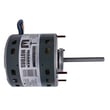
- Motor WG840465 (condenser fan motor)
- Capacitors (motor run capacitors)
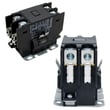
- Contactors and relays (compressor/fan power switching)
Quick tip: match the full model on the unit label
Many Rheem condensers use RACA plus additional numbers/letters on the full model tag. Match the complete model information when ordering to avoid wrong voltage, microfarad (MFD), or mounting differences.
Last updated: February 2026
What is the average lifespan of a central air conditioning unit?
Most central air conditioning condensing units like the Rheem RACA typically last 15 to 20 years with normal use and regular maintenance. Units in harsh conditions (coastal air, heavy runtime, poor airflow) often wear out sooner, while well-maintained systems commonly reach the upper end of that range.
Typical lifespan ranges (what to expect)
- Average: 15 to 20 years
- Shorter lifespan: 10 to 15 years (heavy use, neglected maintenance, frequent electrical issues)
- Longer lifespan: 20+ years (light-to-moderate use, clean coils, stable power, correct refrigerant charge)
| Condition | What usually happens | Lifespan impact |
|---|---|---|
| Dirty condenser coil, restricted airflow | Higher head pressure, hotter compressor | Shortens |
| Weak capacitor or pitted contactor | Hard starts, overheating, nuisance shutdowns | Shortens |
| Correct airflow and clean outdoor unit | Lower operating stress | Extends |
| Stable electrical supply | Fewer component failures | Extends |
Signs your unit is nearing end of life
- Cooling takes longer or struggles on hot days
- Rising electric bills with no change in usage
- Frequent service calls for electrical parts (capacitor, contactor, relay)
- Outdoor fan issues (slow start, noisy operation, intermittent running)
- Compressor is loud, overheats, or trips breakers
Maintenance that helps you reach 15 to 20 years
- Keep the outdoor coil clean and the cabinet clear of leaves and debris
- Replace/clean the indoor air filter regularly to protect airflow
- Confirm the outdoor fan runs smoothly; a failing fan motor can overheat the system
- Have electrical components checked during seasonal service (capacitor and contactor are common wear items)
- If you suspect electrical problems, use safe testing practices; our how to use a multimeter to test electrical parts video helps explain the basics
Why it matters
A central AC system is a chain of parts; when one weak link (like a run capacitor or contactor) causes hard starts and overheating, it accelerates wear on expensive components like the compressor. Preventive checks help protect the whole condensing unit.
Last updated: February 2026
How do I find the model number on my RACA?
Your Rheem central air conditioner model number is usually on the outdoor condensing unit data plate (rating label). For RACA-SERIES units, check the cabinet near the refrigerant service valves or inside the electrical access panel area.
Where to look on a Rheem RACA condensing unit
Check these common label locations on model RACA equipment:
- Outside of the cabinet on a side panel
- Near the refrigerant line connections (service valves)
- Behind the electrical access panel cover (power must be OFF)
- On the inside edge of a removable panel
- Near the compressor compartment area
What the label looks like and what to copy
The data plate is typically a silver or white sticker or metal tag. Write down:
- Model number (for example, RACA plus additional characters if shown)
- Serial number
- Electrical ratings (volts, phase, minimum circuit ampacity)
- Refrigerant type
Quick checklist to avoid ordering the wrong part
Use this checklist before you shop for parts like a capacitor, contactor, or fan motor:
- Copy the full model number exactly as printed
- Copy the serial number too (helps confirm the correct series)
- Match the part type and ratings (especially capacitors and motors)
- Compare your old part markings to the replacement listing
Common parts that depend on the exact model
| Part type | Why the exact model matters |
|---|---|
| Capacitor | Microfarad (uF) and voltage must match |
| Contactor | Coil voltage and amp rating must match |
| Fan motor | RPM, horsepower, and rotation must match |
If you are troubleshooting a no-cool or no-start issue, the capacitor 12907 is one of the common electrical parts to check on many Rheem condensing units.
Why it matters
RACA is a model series name; the full model number on the data plate is what ensures the correct fit and electrical match for Rheem central air conditioner parts.
Last updated: March 2026