 Installation guide
 Owner’s manual





What is the average lifespan of a GE dishwasher?
A GE dishwasher typically lasts 10 to 12 years. With consistent cleaning, correct detergent use, and prompt fixes for leaks or draining problems, many units reach the upper end of that range. For model GDF510PGD2BB, following the care steps in the GDF510PGD2BB owner's manual helps maximize service life.
What affects lifespan the most
- Water quality and temperature: hard water and low water temperature increase buildup and reduce cleaning performance.
- Maintenance frequency: cleaning the tub and filters prevents clogs and pump strain.
- Loading habits: overloading blocks spray arms and forces longer, less effective cycles.
- Detergent and rinse aid use: using dishwasher-approved detergent and rinse aid reduces film and residue.
- Early repair of small issues: fixing leaks, poor draining, or door-latch problems prevents bigger failures.
Quick maintenance checklist (high impact)
- Clean the filter area regularly; remove debris that can restrict circulation.
- Inspect spray arms for clogged holes; clear food particles as needed.
- Run a cleaning cycle periodically to reduce film and odor buildup.
- Use a rinse agent if you see spotting or film.
- Scrape off hard soils (bones, toothpicks, seeds) before loading.
Common “wear” items vs. major components
| Category | Examples | What you’ll notice first |
|---|---|---|
| Wear and sealing items | gaskets, hoses, rack parts | leaks, door not sealing, rack rolling issues |
| Wash performance items | spray arms, filters | dishes not clean, poor spray coverage |
| Major components | pump, control, heater | won’t wash, won’t start, not drying |
Why it matters
A dishwasher that is kept clean and draining freely runs with less strain on the circulation pump, heater, and controls. That reduces overheating, clog-related failures, and repeat wash cycles that shorten overall lifespan.
Last updated: January 2026
How do I know if my GE dishwasher heating element is bad?
If your GE GDF510PGD2BB dishwasher isn’t drying well, takes a long time to finish, or the water never seems to heat, the heating element is a top suspect. We confirm it by doing a continuity (ohms) test with a multimeter and inspecting for visible damage.
Quick checks before testing
- Turn off power at the breaker (dishwashers use 120V circuits).
- Let the unit cool; the manual warns the heating element can be hot during and right after use.
- Look for obvious signs: burnt spots, cracks, or heavy mineral buildup on the element.
- If plastic items are melted or warped, that also points to abnormal heat near the element.
How to test the heating element with a multimeter
Follow the access and safety steps in the GDF510PGD2BB owner’s manual. Then:
- Disconnect power.
- Access the heater terminals (typically from the bottom/front area after removing the toe panel).
- Pull the wires off the element terminals (note their positions).
- Set your meter to resistance (ohms).
- Touch one probe to each terminal.
Interpreting the reading
| Meter result | What it usually means | Next step |
|---|---|---|
| No continuity (open/infinite) | Element is failed | Replace the heater element |
| Very low resistance (near 0) | Possible short | Replace the heater element and inspect wiring |
| Normal resistance range | Element may be OK | Check controls, wiring, and error codes |
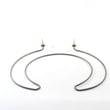
If you need the correct replacement part for this model, use the dishwasher heater element WD05X30818.
Why it matters
A failed heater can cause poor drying, cooler wash water (weaker cleaning), and longer cycles because the dishwasher may struggle to reach target temperatures.
Related troubleshooting
If the element tests good but heating still seems wrong, check for stored faults using GE electronic dishwasher error codes.
Last updated: January 2026
What is the most common problem with GE dishwashers?
The most common problems we see on the GE GDF510PGD2BB dishwasher are poor draining (from clogs in filters or the drain path) and “won’t start” symptoms caused by an unlatched door or an interrupted cycle. Regular filter cleaning and confirming the door is fully closed prevents many repeat issues.
Most common issues and what to check first
- Not draining or draining slowly: clean filters and check the drain hose routing.
- Not starting or beeping: the door may be open during operation; press Start and close the door.
- Gritty dishes or weak cleaning: filters and spray arms can be blocked by debris.
- Cloudy glassware or suds: detergent type/amount and water temperature can be the cause.
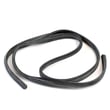
- Water on the floor: door sealing surfaces and gasket condition matter.
For model-specific operating and troubleshooting steps, use the GDF510PGD2BB owner’s manual.
Quick troubleshooting guide (symptom to likely cause)
| Symptom | Most common cause | What we recommend |
|---|---|---|
| Won’t start, Start light flashing | Door opened or cycle interrupted | Press Start once to start; press Start and close the door to run |
| Beeps once every minute | Door left open during operation | Press Start and close the door |
| Not cleaning well, dishes feel gritty | Filters need cleaning | Clean the filters; recheck wash performance |
| Not draining | Clog in drain path or hose | Inspect drain hose and sink/disposal connection |
| Poor spray coverage | Clogged spray arm holes | Rinse and clear spray arm ports |
Parts that commonly relate to these problems
If cleaning and basic checks do not fix the issue, these model-matched parts are often involved:
- Dishwasher circulation pump filter WD49X24057 (wash performance, gritty residue)
- Dishwasher drain hose WD24X10062 (drain restrictions, kinks, leaks at connections)
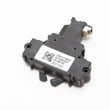
- GE dishwasher door latch lock WD21X10490 (won’t start if the door is not sensing “latched”)
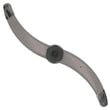
- Dishwasher spray arm, lower WD22X33499 (weak spray, poor cleaning)
Why it matters
Drain and wash issues usually start with food debris buildup. The manual recommends inspecting and cleaning the filters periodically (about every other month, depending on usage), especially if wash performance drops or dishes feel gritty. Keeping the drain path and filters clear reduces odors, improves cleaning, and helps prevent repeat service calls.
For code-based troubleshooting on GE models, use our GE electronic dishwasher error codes reference.
Last updated: January 2026





