Installation guide
 Owner’s manual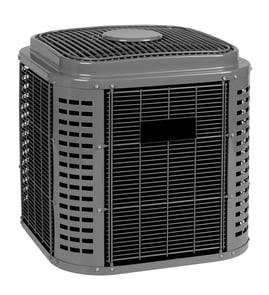

What is the average lifespan of a central air conditioning unit?
Most central air conditioning condensing units, including the Icp NAC024AKA1, typically last 15 to 20 years with proper installation, correct sizing, and regular maintenance (especially keeping the outdoor coil clean and electrical components in good shape). For model-specific maintenance intervals and service notes, use the NAC024AKA1 owner's manual.
Typical lifespan ranges (what to expect)
Lifespan depends heavily on climate, run time, and maintenance quality.
- 15 to 20 years: common for well-maintained residential central A/C systems
- 10 to 15 years: common when maintenance is inconsistent or the unit runs long seasons
- 20+ years: possible in mild climates with excellent upkeep and correct airflow
| Condition | Typical outcome | What it usually means |
|---|---|---|
| Clean coil, correct refrigerant charge, solid electrical connections | Longer life | Less strain on the compressor and fan motor |
| Dirty condenser coil, restricted airflow, frequent short cycling | Shorter life | Higher heat and electrical stress |
| Coastal or corrosive environment | Shorter life | Faster coil and cabinet deterioration |
Maintenance that most affects lifespan
These items have the biggest impact on how long a condensing unit lasts.
- Keep the outdoor condenser coil clean and unobstructed
- Maintain proper clearance around the unit (no weeds, mulch piled against the cabinet)
- Replace/clean indoor air filters on schedule to protect airflow
- Have a qualified technician check refrigerant charge and system performance seasonally
- Inspect electrical connections and controls; a failing contactor can cause hard starts
Why it matters
A central A/C often fails early from heat and electrical stress. Simple upkeep reduces compressor run stress, helps the condenser fan move air correctly, and can prevent nuisance shutdowns that accelerate wear.
Last updated: February 2026
What is the average cost to replace a central air conditioner?
Most homeowners pay several thousand dollars to replace a central air conditioner; a typical installed price for a like-for-like replacement commonly lands around $5,000 to $12,000, with higher costs when ductwork, electrical upgrades, or a new indoor coil are needed. For your Icp NAC024AKA1 condensing unit, the exact total depends on sizing, efficiency, and installation requirements listed in the NAC024AKA1 installation guide.
What drives the replacement price
- System size (tons/BTU) and correct load calculation
- Efficiency level (SEER/SEER2) and required matched indoor coil
- Ductwork condition (repairs, sealing, resizing)
- Electrical and disconnect updates (breaker, whip, pad, surge protection)
- Refrigerant line set reuse vs. replacement and flushing requirements
- Permits and labor rates in your area
Typical cost ranges (installed)
| Replacement scope | What’s included | Common range |
|---|---|---|
| Condensing unit only (like-for-like) | Outdoor unit swap, basic startup | $5,000 to $9,000 |
| Full system (outdoor + indoor coil/air handler) | Matched components, more labor | $7,000 to $12,000 |
| Full system + ductwork work | Duct repairs or replacement | $10,000 to $18,000 |
How to estimate your NAC024AKA1 replacement more accurately
- Confirm the exact model number and existing indoor equipment match.
- Check the required coil matching and installation details in the NAC024AKA1 installation guide.
- Ask for an itemized quote that separates equipment, labor, permits, and add-ons.
- Decide whether you are replacing due to a major failure or upgrading efficiency.
Why it matters
A central air conditioner replacement is priced as a system and installation project, not just an outdoor unit purchase. Correct matching, airflow, and code-compliant installation protect comfort, efficiency, and long-term reliability.
Last updated: February 2026
What is the most expensive part to replace on an AC unit?
On an Icp NAC024AKA1 condensing unit, the compressor is the most expensive part to replace. It is the core of the refrigerant cycle, and replacement typically includes refrigerant recovery, evacuation, and recharging, plus additional diagnosis time to prevent repeat failures.
Why the compressor typically costs the most
- It is a sealed, high-load mechanical component that operates under high pressure.
- Replacement requires specialized refrigerant handling steps (recover, evacuate, recharge).
- A compressor failure often has an underlying cause (electrical, airflow, or refrigerant issues).
- Related parts and supplies are commonly replaced at the same time (for example, start components and a filter drier).
High-cost repairs vs. common lower-cost fixes
Many “no cooling” calls end up being a smaller electrical or airflow-related issue instead of the compressor.
| Repair area | Typical cost impact | Common symptom |
|---|---|---|
| Compressor | Highest | Breaker trips, hard starting, poor cooling |
| Condenser fan system | Medium | Outdoor unit overheats, fan not spinning |
| Electrical controls/wiring | Low to medium | Outdoor unit will not start, intermittent operation |
What to check first (safe, basic checks)
- Set the thermostat to COOL and lower the setpoint; confirm the indoor blower runs.
- Check the outdoor disconnect and breaker; reset once if tripped.
- Look for a non-spinning outdoor fan; overheating can mimic compressor trouble.
- With power OFF, inspect for loose or heat-damaged wires in the control compartment.
- Use the wiring diagram and service information in the NAC024AKA1 owner's manual to match symptoms to components.
Model-listed parts that often fail before a compressor
If the outdoor unit will not start or runs intermittently, these NAC024AKA1 parts are common suspects:
- Central air conditioner condenser fan blade 1085684 (a damaged blade can prevent proper airflow)
- Plug wire 1083654 (damaged wiring can cause intermittent operation)
Why it matters
Replacing a compressor without correcting the root cause (wiring damage, control issues, poor maintenance) leads to repeat failures and higher total repair cost.
Last updated: February 2026
What is the most common part to fail on an AC unit?
On an Icp NAC024AKA1 central AC condensing unit, the most commonly failed items are electrical start and switching components, especially the run capacitor and the contactor. Heat, age, and frequent cycling wear these parts and can stop the outdoor fan or compressor from starting.
What you will usually notice when these parts fail
- Outdoor unit will not start, but you may hear a hum
- Outdoor fan will not spin, or it starts only if pushed (capacitor-related)
- Intermittent cooling (runs sometimes, then quits)
- Clicking, buzzing, or chattering at the outdoor unit (contactor-related)
- Breaker trips or the unit shuts down unexpectedly
Quick comparison: capacitor vs contactor
| Part | What it does | Common symptom | Typical next step |
|---|---|---|---|
| Run capacitor | Helps start and keep the compressor and condenser fan motor running | Humming, hard starts, fan not spinning | Test capacitance; replace if out of spec |
| Contactor | Switches high-voltage power to the compressor and fan | No start, buzzing, burnt or stuck contacts | Inspect contacts and coil; replace if pitted or stuck |
Model-specific parts worth checking
If you are troubleshooting a no-cool or no-start condition on the outdoor unit, these NAC024AKA1 parts are commonly involved:
- Central air conditioner condenser fan blade 1085684 (wobble, impact damage, or poor airflow)
- Wiring and connections, including plug wire 1083654 (burnt, loose, or damaged conductors)
Why it matters
A weak capacitor or failing contactor can cause repeated hard-start attempts. That overheats the compressor and stresses wiring, which leads to nuisance shutdowns and reduced cooling performance.
Safety and service notes
Central air conditioners use high voltage and stored electrical energy.
- Shut off power at the disconnect and breaker before opening the cabinet
- Discharge capacitors properly before handling wiring
- Use the wiring diagram and service information in the NAC024AKA1 owner's manual
Last updated: February 2026
Is it worth repairing a 10 year old air conditioner?
For an Icp NAC024AKA1 central air conditioner (condensing unit), repairing at 10 years old is worth it when the failure is a common, contained part and the system is otherwise cooling normally. Replacement is the better choice when you have repeated breakdowns, major refrigerant leaks, or compressor failure symptoms.
Quick repair vs. replace checklist
- Repair when the problem is isolated and the unit has been reliable.
- Repair when the outdoor fan and compressor run normally after the fix.
- Repair when the issue is electrical control or airflow related (for example, a contactor or fan blade).
- Replace when the compressor will not start, trips the breaker, or is mechanically failing.
- Replace when there is a major refrigerant leak or significant coil damage.
- Replace when repair costs stack up across multiple visits in the same season.
What your documentation can help you confirm
The NAC024AKA1 documentation includes warranty terms that can apply to major components and may require proof of installation date and yearly service records. Use the owner's manual to verify what applies to your ownership and installation situation.
Common repairs that are often worth doing
These are typical, repairable causes of “won’t start,” “short cycling,” or “outdoor fan not running” on a condensing unit:
- Contactor issues (pitted contacts, buzzing, intermittent pull-in)
- Outdoor fan airflow problems (bent blade, vibration, overheating)
- Damaged or loose wiring connections
| Symptom | Often points to | Typical next step |
|---|---|---|
| Outdoor unit is silent, thermostat calling | Contactor or wiring | Electrical diagnosis, replace failed control part |
| Loud vibration at outdoor fan | Fan blade damage | Inspect and replace fan blade if bent/cracked |
| Breaker trips on start | Compressor or electrical fault | Pro diagnosis before investing in major parts |
Parts you may need for a repair
If your issue matches the symptoms above, these parts are commonly involved:
- Central air conditioner condenser fan blade 1085684 (restores proper airflow across the condenser)
- Plug wire 1083654 (repairs damaged wiring that can cause intermittent operation)
Why it matters
Fixing an airflow or electrical control problem promptly helps prevent overheating and nuisance shutdowns; that protection can extend compressor life and keep energy use from climbing.
Last updated: February 2026