


Do Maytag washers have a filter that needs to be cleaned?
Yes. Many Maytag washers, including front-load designs like model MFW7020RF0, use a drain-pump cleanout area that acts like a filter by catching lint, coins, and small debris; cleaning it periodically helps prevent slow draining, standing water, and drain errors.
Where the “filter” usually is on a Maytag washer
On most Maytag front-load washers, the filter is part of the drain pump system near the bottom front of the cabinet. Some models hide it behind the lower front panel rather than a small access door.
Common places to check:
- Bottom front area (pump cleanout or pump filter)
- Behind the lower toe panel (if there is no access door)
- In the drain path at the pump inlet (debris trap)
How to clean the drain pump filter safely
Before you open anything, plan for water to come out.
- Unplug the washer (or switch off the breaker)
- Turn off both water supply valves
- Put towels down and use a shallow pan
- Open the pump cleanout slowly and let water drain in stages
- Remove debris (lint, hair pins, coins) and rinse the trap
- Reinstall the cap tightly and run a quick drain/spin to confirm normal draining
If the washer still will not drain after cleaning, the drain pump itself may be jammed or failing; the model-specific replacement is the washer drain pump assembly W11458345.
Quick symptoms guide
| What you notice | Most common cause | What to do next |
|---|---|---|
| Water left in tub | Clogged pump filter | Clean pump cleanout and retry |
| Slow drain | Lint/debris buildup | Clean filter; check drain hose for kinks |
| Humming during drain | Pump jammed | Clear debris; inspect pump impeller |
| No fill after service | Valves off or inlet issue | Verify valves; inspect hoses |
Why it matters
A partially clogged pump filter makes the washer work harder to drain. That can lead to longer cycle times, odors from standing water, and premature wear on the drain pump and hoses.
For additional Maytag troubleshooting patterns (including drain-related codes), use our Maytag maxima front load washer error codes guide.
Last updated: January 2026
What is the life expectancy of a Maytag washing machine?
A Maytag washer like model MFW7020RF0 typically lasts 10 to 13 years with normal household use and basic maintenance. Keeping the washer draining properly, avoiding chronic overloading, and fixing small leaks early are the biggest factors that extend service life.
Typical lifespan and what affects it
Most washers reach end-of-life due to wear in high-use systems (drain, fill, spin, and door lock). These factors have the biggest impact:
- Load size and frequency (daily heavy loads shorten lifespan)
- Detergent use (too much HE detergent can cause residue and odors)
- Drain performance (slow draining strains the pump and can trigger errors)
- Water quality (sediment can clog inlet screens and valves)
- Vibration and leveling (out-of-balance operation stresses bearings and suspension)
What “normal use” looks like
Use patterns change the expected lifespan more than the brand name.
| Use pattern | What we typically see | Practical expectation |
|---|---|---|
| Light (2 to 4 loads/week) | Lower wear on pump, bearings, and door parts | Often 12 to 15 years |
| Average (5 to 8 loads/week) | Typical household wear | About 10 to 13 years |
| Heavy (daily, bulky loads) | Faster wear, more vibration and moisture exposure | Often 7 to 10 years |
Maintenance that adds years (and prevents common failures)
These habits reduce the most common front-load washer problems:
- Run a monthly cleaning cycle and wipe the door boot after laundry day
- Leave the door slightly open between loads to dry the tub
- Check pockets to prevent coins, screws, and hairpins from reaching the drain system
- Replace aging fill hoses every 5 years to reduce leak risk (rubber and fittings fatigue)
- Address slow draining early; a struggling pump can fail sooner
If you are already seeing slow draining, a noisy drain, or standing water, the washer drain pump assembly W11458345 is the model-matched pump assembly commonly involved in drain-related failures.
Why it matters
A washer that is maintained and repaired early usually costs less to keep running because small issues (clogs, hoses, minor leaks) can be corrected before they damage major components like the tub bearings, motor system, or control.
Last updated: January 2026
What is the most common problem with a washing machine front loader?
The most common problem with a front-load washer like the Maytag MFW7020RF0 is musty odor and mildew buildup, usually caused by moisture trapped around the door boot (rubber gasket) and detergent residue in the dispenser. Over time, that damp, soapy film feeds mold and creates smells.
What you’ll notice first
- A sour or musty smell when you open the door
- Black or gray spots on the door gasket folds
- Slimy residue in the dispenser drawer
- Clothes that smell “not quite clean” after washing
- Occasional small leaks from the door area (from debris or buildup)
Quick prevention and cleaning steps
- Leave the door slightly open between loads so the drum can dry.
- Wipe the door gasket folds dry after the last load of the day.
- Use the right detergent amount; too much creates extra residue.
- Remove and rinse the dispenser drawer regularly; if the drawer is cracked or won’t flush clean, replace the dispenser as W11752344.
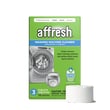
- Run a monthly cleaning cycle (or hottest cycle) with a washer cleaner to break down biofilm.
When odor is actually a drain issue
Sometimes “mildew smell” is stagnant water from slow draining. If you also see standing water, gurgling, or long drain times, check for a restriction and consider the drain components.
| Symptom | Most likely cause | Common fix |
|---|---|---|
| Musty smell only | Moisture and residue | Drying habits, monthly cleaning |
| Musty smell plus slow drain | Partial clog or weak pump | Clear blockage; replace pump if needed |
| Odor plus water left in drum | Drain system problem | Inspect drain path; replace pump |
If draining is weak or intermittent, the washer drain pump assembly W11458345 is a common repair part for front-load washers.
Why it matters
Mold and detergent buildup can transfer odors back to laundry, shorten the life of seals and plastic parts, and contribute to leaks. Keeping the gasket and dispenser clean prevents repeat problems and reduces service calls.
Last updated: January 2026