View engine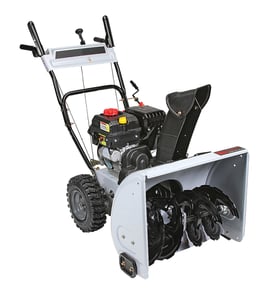



What is the typical lifespan of a gas snowblower?
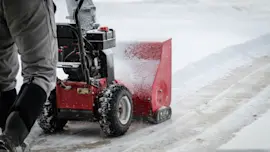
A typical gas snowblower lasts 10 to 15 years with normal residential use and basic maintenance. For a Craftsman 536918100 20-inch snow blower, consistent upkeep (fresh fuel practices, oil changes, and correct skid setup) is what most often pushes service life closer to 15 to 20 years.
- Fuel care: using fresh gasoline and draining or stabilizing fuel before storage prevents carburetor issues.
- Oil changes: clean oil reduces engine wear and helps cold-weather starting.
- Shear pin and auger protection: clearing jams safely prevents gearbox and auger damage.
- Drive system condition: worn belts, pulleys, and cables shorten usable life.
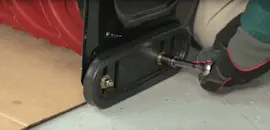
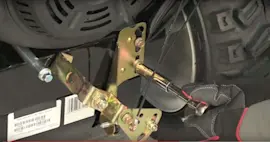
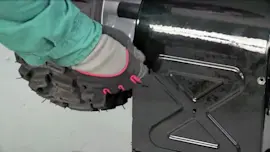
- Skid shoe adjustment: correct scraper bar and skid height reduces housing wear and improves performance (see height skid adjustment 1740912BMYP).
| Usage and care level | Typical lifespan | What usually fails first |
|---|---|---|
| Light use, stored indoors, maintained yearly | 15 to 20 years | Belts, cables, friction/drive parts |
| Average use, mixed maintenance | 10 to 15 years | Carburetor/fuel system, belts |
| Heavy use, poor storage, infrequent maintenance | 7 to 10 years | Engine wear, rust, drivetrain issues |
- Change engine oil at least once per season (or every 25 hours of run time).
- Use fuel stabilizer for any fuel stored longer than 30 days; run the engine to circulate it.
- At season end, clean packed snow and salt residue; dry the unit before storage.
- Inspect and adjust skid shoes and scraper clearance; replace worn hardware as needed.
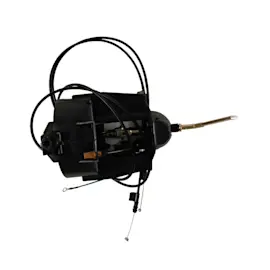
- Check control cables for stretching and fraying; replace if engagement feels weak.
A snowblower usually gets replaced due to starting problems, poor throwing performance, or drivetrain wear, not because the housing “expires.” Preventing fuel-system varnish and reducing metal-to-ground wear are the two biggest wins for long-term reliability.
Last updated: January 2026
How to find snowblower model number?
On a Craftsman snowblower, the model number is printed on the model and serial tag (a sticker or metal plate) attached to the machine. For model 536918100, check the rear of the snowblower near the axle area between the wheels, then use that full number when ordering parts.
Most Craftsman units place the model and serial tag in one of these common spots:
- Rear of the unit between the wheels (near the axle)
- Back of the frame behind the engine
- Side of the frame near the auger housing
- Under or near the handle mounting area
- On the engine shroud (engine numbers are different from the snowblower model)
Record the information exactly as shown on the tag.
| Item on tag | Example | Why it matters |
|---|---|---|
| Model number | 536918100 | Matches the correct parts diagrams and fit |
| Serial number | Varies | Helps confirm production run and revisions |
| Engine model/type/code | Varies | Used for engine-specific parts (carburetor, ignition) |
If the label is worn, you can usually still confirm the model by cleaning and improving contrast.
- Wipe the tag with a damp cloth and mild soap; dry fully
- Use a flashlight at a low angle to make stamped numbers stand out
- Take a close-up photo and zoom in
- Copy the full model number, including any extra digits or suffixes
- If you are replacing hardware during reassembly, keep fasteners grouped by location
Snowblower parts like cables, skid shoes, and fasteners can look similar across Craftsman models, but mounting holes and lengths often differ. Using the exact model number helps ensure the replacement part fits and the auger and drive controls operate correctly.
If you are already working on the front end of the housing, the height skid adjustment 1740912BMYP is one example of a model-matched part that depends on correct identification.
Last updated: January 2026
Is it cheaper to repair or replace a snowblower?
For a Craftsman 536918100 20-inch snow blower, it’s usually cheaper to repair when the problem is a wear item or adjustment, but replacement makes more sense when the repair total approaches about half the cost of a comparable new machine or the unit has repeated major failures.
- Repair if the issue is routine maintenance (tune-up, fuel system cleaning, cable adjustment).
- Repair if the machine starts and runs well but performance is off (poor scraping, uneven clearing).
- Replace if the engine has low compression, severe internal damage, or persistent hard-starting after proper service.
- Replace if the auger/drive system has multiple worn components and labor adds up quickly.
- Replace if the frame, housing, or key structural areas are heavily rusted or cracked.
Use this simple comparison to decide:
| What you’re facing | Typical best choice | Why |
|---|---|---|
| Minor parts and adjustments | Repair | Lowest cost, fastest turnaround |
| One moderate repair plus basic service | Repair | Extends life for a reasonable spend |
| Multiple major repairs or engine replacement-level cost | Replace | Cost and downtime outweigh value |
These are common, lower-cost fixes that can restore performance:
- Adjust or replace the skid shoes so the scraper height is correct (see height skid adjustment 1740912BMYP).
- Replace a stretched or damaged control cable if engagement is inconsistent.
- Tighten or replace loose hardware that causes vibration or misalignment.
- Address pulley or bearing wear if you hear squealing or grinding during operation.
A snowblower that is mechanically sound but out of adjustment can feel “worn out” even when it only needs basic parts. On the other hand, stacking multiple drivetrain or engine-related repairs can quickly exceed the value of an older machine.
Last updated: January 2026
What is the most common problem with snow blowers?
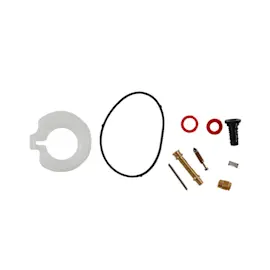
The most common problem we see with snow blowers (including the Craftsman 536918100 20" snow blower) is a no-start or hard-start condition, most often caused by old fuel and fuel-system buildup. Next most common are clogging in the discharge chute and drive or auger issues caused by wear or misadjustment.
- Won’t start / starts then dies: drain old gas, add fresh fuel, check spark plug, and inspect the carburetor for varnish.
- Runs but won’t throw snow well: clear packed snow, check chute for ice buildup, and verify the scraper bar and skid shoes are set correctly.
- Auger won’t turn: inspect shear pins (if equipped) and check for binding from ice or debris.
- Won’t drive / poor traction: inspect drive belt condition and cable adjustment.
- Excess vibration or noise: look for loose fasteners, worn bushings, or a damaged pulley.
| Symptom | Most likely cause | Best first action |
|---|---|---|
| No start | Stale fuel, dirty carburetor, fouled plug | Replace fuel, clean fuel system, check plug |
| Clogs easily | Wet snow, chute packed with ice | Shut off, clear chute, apply anti-stick spray |
| Auger stops under load | Shear pin issue or binding | Clear ice, inspect auger hardware |
| Poor drive | Worn belt or cable out of adjustment | Inspect belt, adjust/replace cable |
If you’re seeing poor scraping, frequent clogging, or uneven clearing, worn skid shoes can make the housing ride too high or dig in. For this model, check the height skid adjustment 1740912BMYP for wear, bending, or missing hardware.
Most “snow blower problems” are maintenance problems. Fresh fuel, correct skid shoe height, and properly adjusted cables help the auger and drive systems work efficiently, reduce clogging, and prevent premature belt and pulley wear.
Last updated: January 2026