Owner’s manual
 View engine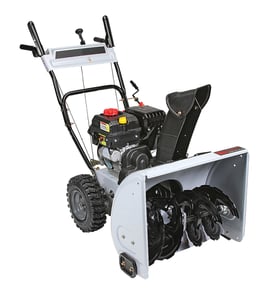




How do I tell what year my snowblower is?
For Craftsman snow thrower model 247883700, the most reliable way to tell the year is to read the engine date code (or engine model-type-code tag) and decode the manufacture date; the snowblower’s model number identifies the unit family, but the engine code pins down the build year.
Where to find the date information
Most gas snowblowers have the key date info in one of these places:
- Engine shroud or valve cover: a stamped or printed code plate
- Recoil starter housing: label near the pull-start area
- Blower housing or frame tag: model and serial tag (sometimes includes a date)
- Owner documentation: diagrams and tag locations in the 247883700 owner’s manual
How to decode the engine code (common format)
Many small engines use a numeric date code where the first two digits are the year. For example, a code like 99011556 typically reads as:
- 99 = year (1999)
- 01 = month (January)
- 15 = day of month (15th)
- Remaining digits = factory/line sequence
Quick example table
| Example code | Interpreted date | What it tells you |
|---|---|---|
| 99011556 | Jan 15, 1999 | Engine manufacture date |
| 210930xx | Sep 30, 2021 | Engine manufacture date |
(Your exact format can vary by engine brand, so match the pattern used on your engine tag.)
If the engine was replaced
If the engine has been swapped, the engine date code will reflect the replacement engine, not the original snowblower build year. In that case, use both:
- Engine date code (engine age)
- Snowblower serial tag (unit identity)
Why it matters
Knowing the year helps us match the correct Craftsman parts and specs for maintenance items like shear pins, belts, skid shoes, and control cables, especially when designs change across production runs.
Last updated: January 2026
Is it worth fixing a snowblower?
Yes, it’s worth fixing a Craftsman snow thrower model 247883700 when the problem is a normal wear item (cables, skid shoes, shear pins) and the total repair cost stays well under half the price of a comparable new machine; major drivetrain or engine repairs usually tip the decision toward replacement. See the maintenance and adjustment guidance in the 247883700 owner’s manual.
Quick decision checklist
- Fix it when the issue is a wear part, adjustment, or routine maintenance (oil change, spark plug check, belt/cable adjustment).
- Fix it when the machine starts well, throws snow strongly, and only one function (drive or auger) is acting up.
- Replace it when the engine has persistent low power, heavy smoke, or severe internal noise.
- Replace it when the auger/drive system has repeated failures after correct repairs.
- Either way: price the parts plus your time; small parts add up fast.
Common “worth it” repairs on this model
These are typical, cost-effective fixes because they restore function without major teardown:
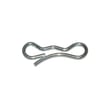
- Replace a broken shear pin: snowblower shear pin 738-04124A
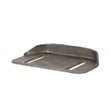
- Replace a worn skid shoe to protect the auger housing and improve scraping: skid shoe 784-5580
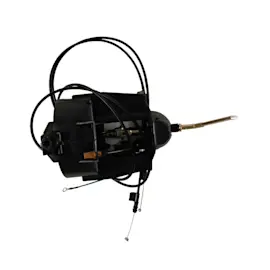
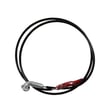
- Restore auger engagement with a stretched/binding cable: snowblower auger clutch cable 746-04230
Cost vs. value guide
| Situation | Typical outcome | Usually worth fixing? |
|---|---|---|
| Shear pin breaks after hitting ice/rocks | Fast, low-cost repair | Yes |
| Skid shoes worn down, scraping poorly | Improves clearing and protects housing | Yes |
| Auger will not engage due to cable issue | Restores throwing performance | Yes |
| Gearbox or major drivetrain damage | High parts cost and labor | No |
Why it matters
A snowblower that is mechanically sound but needs wear parts can run reliably for years; replacing small items like a shear pin, skid shoe, or clutch cable prevents bigger damage to the auger housing, gearbox, and drive system.
Last updated: January 2026
What is the most common problem with snow blowers?
The most common problem on snow blowers, including the Craftsman 247883700 gas snow thrower, is a no-start or hard-start condition caused by fuel and ignition issues (stale gas, varnished carburetor, fouled spark plug). The next most common issues are chute clogs and the auger not turning due to a broken shear pin.
Most common symptoms and what they usually mean
- Won’t start or starts then dies: old fuel, dirty carburetor, bad spark plug, stuck choke, water in fuel
- Runs but won’t throw snow: clogged chute, wet/heavy snow, low engine speed
- Auger won’t turn: broken shear pin, loose/broken auger cable, belt or pulley problem
- Drive won’t move: worn drive belt, friction wheel wear, drive control out of adjustment
- Poor throwing distance: chute packed with snow, worn scraper blade/skid shoes set too low, engine not at full throttle
Quick checks we recommend first (fastest wins)
- Use fresh fuel (and drain old fuel if it smells sour or looks dark).
- Check the spark plug condition and gap per the 247883700 owner’s manual.
- Clear the chute safely (engine off, key removed; use a cleanout tool, not your hand).
- Inspect shear pins on the auger; replace any broken pin with the correct type.
- Verify controls fully engage: auger lever, drive lever, and cable tension.
Common fixes and the parts that often solve them
| Problem | Typical fix | Part you may need |
|---|---|---|
| Auger won’t spin but engine runs | Replace broken shear pin(s) | Snowblower shear pin 738-04124A |
| Auger engages weakly or intermittently | Adjust or replace auger clutch cable | Snowblower auger clutch cable 746-04230 |
| Machine won’t move well | Inspect friction wheel and drive system | (varies by symptom) |
| Scrapes poorly or rides too low | Adjust or replace skid shoes | (varies by setup) |
Why it matters
Most “snowblower problems” are maintenance problems. Fresh fuel, a clean ignition system, and correctly adjusted controls prevent repeat no-starts, reduce belt wear, and help the auger and drive systems engage at full power.
Last updated: January 2026
How long does a gas-powered snow blower last?
A gas-powered snowblower typically lasts 10 to 15 years. For a Craftsman snow thrower like model 247883700, regular maintenance (oil changes, lubrication, and replacing wear parts like skid shoes and shear pins) is what most directly determines whether you land closer to 10 years or push past it.
Typical lifespan by snowblower type
| Snowblower type | Typical lifespan | What usually ends it first |
|---|---|---|
| Gas-powered (2-stage/3-stage) | 10 to 15 years | Wear in drive system, auger/gearbox damage, neglected fuel system |
| Single-stage gas | 8 to 12 years | Paddle wear, belt wear, carburetor issues |
| Corded electric | 5 to 10 years | Motor wear, switch/cable damage |
What makes a gas snowblower last longer
We see the biggest lifespan gains when you stay ahead of the common wear points:
- Change engine oil on schedule and keep the oil at the correct level
- Use fresh fuel and stabilize fuel before storage to reduce carburetor problems
- Lubricate moving points (auger shaft, chute rotation, wheel hubs) to prevent seizure
- Replace shear pins immediately after a jam to protect the auger gearbox
- Keep skid shoes adjusted so the scraper blade is not grinding into pavement
- Store dry and covered to reduce rust on the auger housing and fasteners
For model-specific maintenance intervals and lubrication points, use the 247883700 owner’s manual.
Wear parts that affect performance (and lifespan)
These parts do not mean the machine is “worn out”, but replacing them on time prevents bigger failures:
- Shear pins: protect the auger and gearbox during impacts (use the correct grade and size)
- Skid shoes: control scraping height and reduce housing wear
- Cables: keep auger and drive engagement crisp and safe
If you are replacing common wear items, these model-matched parts are good examples:
Why it matters
A snowblower that is maintained typically fails gradually (slipping drive, poor throwing distance, hard starting), which is cheaper to correct than a sudden gearbox or auger failure caused by running worn shear pins, misadjusted skid shoes, or neglected lubrication.
Last updated: January 2026