 Error Codes



Can I replace dishwasher parts myself?
Yes, for the GE PDT785SYN7FS dishwasher, we can replace many common parts ourselves if we shut off power at the breaker and turn off the water supply first. Simple mechanical items (spray arms, racks, latches, hoses) are usually DIY-friendly; control and wiring repairs take more care.
Good DIY candidates on this model
These repairs are typically straightforward with basic hand tools and careful reassembly:
- Replace a worn latch or strike if the door will not close or start
- Swap a clogged spray arm if dishes are not getting clean
- Replace a leaking drain hose if you see water under the sink or cabinet
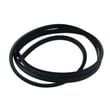
- Install a new tub gasket if the door area is dripping
- Replace a broken rack wheel or bracket if racks derail
Helpful model-matched examples:
- GE dishwasher door latch lock WD21X10490
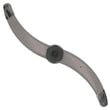
- Lower spray arm asm WD22X33499
- Dishwasher drain hose WD24X10062
Repairs that are usually better for experienced DIYers
These involve electrical diagnosis, tight access, or water connections where leaks can happen:
- Water fill problems (valve, pressure sensing)
- Drain problems that require pump access
- Electronic issues (control board, harness)
Common parts involved on PDT785SYN7FS include:
| Symptom | Often involved part | Example part ID |
|---|---|---|
| Not filling or fills slowly | Water inlet valve | WD15X26078 |
| Not draining | Drain pump | WD19X25622 |
| Random stopping, dead panel, odd behavior | Machine control board | WD21X34778 |
| Fill level or pressure-related errors | Pressure sensor | WD21X25468 |
Safety and prep checklist
Before we start any repair:
- Turn off power at the circuit breaker (do not rely on the control panel)
- Shut off the dishwasher water supply valve
- Protect the floor with towels; keep a shallow pan ready for hoses
- Take photos of wire and hose routing before disconnecting anything
- Run a quick check for error codes if the dishwasher is beeping or flashing
For code-driven troubleshooting, use GE electronic dishwasher error codes.
Why it matters
DIY replacement can restore cleaning, draining, and door operation quickly while avoiding repeat failures caused by misdiagnosis. Matching the symptom to the right part (spray arm vs. pump vs. control) saves time and prevents unnecessary returns.
Last updated: February 2026
Can a clogged drain cause an FTD error?
Yes. On the GE PDT785SYN7FS dishwasher, an FTD (fail to drain) error is commonly triggered when water cannot leave the tub fast enough, and a clog in the filter area, drain path, or drain hose is a top cause.
What to check first (fast, no-parts steps)
- Cancel the cycle and let the unit attempt to drain; listen for the drain pump running.
- Remove standing water (cup or wet/dry vac) so you can inspect the sump area.
- Clean debris from the filter and sump area (labels, glass, food, twist ties).
- Check the sink drain/disposal inlet where the dishwasher drain connects; clear any blockage.
- Inspect the drain hose for kinks, crushing, or a sag that traps water.
Parts that commonly relate to an FTD (fail to drain)
If the drain path is clear but the dishwasher still will not drain, these parts are common suspects on this model:
| Symptom | Most likely area | Example model-matched part |
|---|---|---|
| Pump hums but little or no water moves | Drain pump or obstruction at pump | Dishwasher drain pump WD19X25622 |
| Drains slowly, backs up, or leaks at hose | Drain hose routing or internal restriction | Dishwasher drain hose WD24X10062 |
| Intermittent drain issues with odd fill/drain behavior | Water level sensing (can affect drain logic) | GE dishwasher pressure sensor WD21X25468 |
Why it matters
FTD is a protection signal; if water cannot drain, the dishwasher can stop mid-cycle, leave dirty water behind, and cause odors. Clearing the clog early prevents repeat errors and reduces strain on the drain pump.
Helpful reference
- Use our GE electronic dishwasher error codes guide to confirm the exact meaning of FTD and related drain codes.
Last updated: February 2026
How can I tell what size my dishwasher is?
To tell the size of your GE dishwasher model PDT785SYN7FS, measure the cabinet opening (width, height, and depth) and compare it to standard dishwasher sizes. Most built-in dishwashers are about 24 inches wide and fit a 34 to 35 inch tall opening.
What to measure (and how)
Turn power off at the breaker before pulling the dishwasher out to measure behind it.
- Width: measure the opening left-to-right at the front (and again at the back)
- Height: measure from the floor to the underside of the countertop
- Depth: measure from the back wall to the front of the cabinet opening
- Door clearance: confirm the door can open without hitting an island, trim, or a nearby drawer
- Toe-kick space: note the height of the toe-kick area so the front panel sits flush
Typical built-in dishwasher size guide
These are the common “fit” targets we use when customers are sizing a replacement.
| Measurement | Standard built-in target | What it means for fit |
|---|---|---|
| Width | ~24 in. | Most common opening size |
| Height | ~34 to 35 in. | Adjustable legs handle small differences |
| Depth | ~24 in. | Helps the unit sit flush with cabinets |
Quick checks that prevent install surprises
If your measurements are close to standard but the dishwasher still seems “off,” these checks usually explain why.
- Look for flooring changes (new tile or vinyl can reduce height)
- Check if the countertop is sagging or has a thick underlayment
- Confirm the dishwasher is level; a tilt can change apparent height
- Verify the water line and drain hose are not forcing the unit forward
- Inspect the door seal area; a worn gasket can make the door feel misaligned (see dishwasher tub gasket WD08X23477)
Why it matters
Dishwasher “size” is really about opening dimensions and clearances. Getting the width, height, and depth right helps avoid rubbing racks, a door that won’t close cleanly, and installation issues with the drain hose and water inlet valve.
Last updated: February 2026
What are the commonly replaced parts in a dishwasher?
In a GE dishwasher like model PDT785SYN7FS, the most commonly replaced parts are the wash and drain components (spray arms, pumps, inlet valve), door parts (latch and seals), and rack hardware. These parts wear from heat, detergent, hard-water buildup, and normal mechanical stress.
Commonly replaced parts (and what they affect)
- Spray arms: poor cleaning, no spray, or noisy operation (see lower spray arm asm WD22X33499 and dishwasher spray arm, middle WD22X33498).
- Water inlet valve: slow fill, no fill, or weak wash pressure (see dishwasher water inlet valve WD15X26078).
- Drain pump and drain hose: standing water, slow drain, or drain errors (see dishwasher drain pump WD19X25622 and dishwasher drain hose WD24X10062).
- Door latch and strike: won’t start, stops mid-cycle, or door won’t stay latched (see GE dishwasher door latch lock WD21X10490 and dishwasher door latch strike WD13X10071).
- Seals and gaskets: leaks at the door or tub edge (see dishwasher tub gasket WD08X23477).
- Racks and rack hardware: rack won’t roll, falls off track, or broken basket (see dishwasher dishrack roller bracket WD01X35298 and dishwasher silverware basket WD28X24469).
- Controls and sensors: dead unit, odd behavior, or fill/wash issues (see configured machine control board WD21X34778 and GE dishwasher pressure sensor WD21X25468).
Quick symptom-to-part guide
| Symptom | Most likely parts to check first | Example part for PDT785SYN7FS |
|---|---|---|
| Not cleaning well | Spray arms, wash pump, inlet valve | WD22X33499, WD15X26078 |
| Not draining | Drain pump, drain hose | WD19X25622, WD24X10062 |
| Won’t start / stops | Door latch/strike, control | WD21X10490, WD13X10071 |
| Leaking | Tub gasket, door sealing surfaces | WD08X23477 |
Why it matters
Replacing the right part first saves time and prevents repeat failures. For example, a “not cleaning” complaint is often a clogged spray arm or low fill issue, while a “won’t start” complaint is frequently a door latch problem.
Helpful DIY references
- Use GE electronic dishwasher error codes or GE dishwasher error codes to match a displayed code to likely failed parts.
- If the unit has power but won’t run, follow dishwasher wont start video for a step-by-step check of the latch, controls, and power.
Last updated: February 2026
What is the average life expectancy of a GE dishwasher?
A GE dishwasher like model PDT785SYN7FS typically lasts 10 to 12 years with normal household use. Consistent cleaning, good water quality, and fixing small issues early (leaks, poor draining, weak spray) are what most often push lifespan toward the high end.
What affects dishwasher lifespan most
- Water quality and scale buildup (hard water shortens pump, heater, and valve life)
- Filter and sump cleanliness (food debris strains the wash pump and drain pump)
- Door sealing and leaks (even small leaks can damage components over time)
- Loading habits (blocked spray arms reduce cleaning and increase cycle stress)
- Detergent use (too much or the wrong type can cause residue and poor performance)
Quick maintenance routine (keeps it closer to 12 years)
- Rinse heavy soil off dishes and keep labels, bones, and seeds out of the tub.
- Clean the tub and run a maintenance wash periodically using a dishwasher cleaner.
- Check spray arms for clogs and confirm they spin freely.
- Inspect the door seal area and wipe it clean to prevent seepage.
- Address slow draining quickly so the pump is not running under load.
Parts that commonly drive “replace vs repair” decisions
| Symptom | Common cause area | Example part for PDT785SYN7FS |
|---|---|---|
| Not draining or standing water | Drain path or drain pump | Dishwasher drain pump WD19X25622 |
| Not filling or fills slowly | Water supply or inlet valve | Dishwasher water inlet valve WD15X26078 |
| Poor cleaning, weak spray | Spray arm or wash circulation | Lower spray arm asm WD22X33499 |
| Won’t start or stops mid-cycle | Door latch system | GE dishwasher door latch lock WD21X10490 |
Why it matters
Knowing the typical 10 to 12 year lifespan helps us decide whether a symptom is a simple maintenance issue (clog, scale, loading) or a component failure worth repairing. If you are seeing an error code, start with GE electronic dishwasher error codes to narrow the cause before replacing parts.
Last updated: February 2026
What is the most common problem with a GE dishwasher?
The most common GE dishwasher problem is a drain issue: the unit finishes with water left in the bottom because the filter area, drain path, or drain pump is restricted. On the GE PDT785SYN7FS, the next most common complaints are poor cleaning from clogged spray arms and “won’t start” symptoms tied to the door latch.
What you’ll usually notice first
- Standing water after the cycle ends
- Gurgling or humming but no draining
- Dishes still gritty or food left behind
- Detergent not fully rinsed away
- Cycle won’t start or stops when the door is bumped
Quick checks we recommend (in order)
- Reset power: turn the breaker off for 1 minute, then back on.
- Check the tub bottom: remove debris around the sump area.
- Inspect the drain hose for kinks or a blockage; replace if soft, split, or clogged.
- Clean spray arm holes and confirm arms spin freely.
- Confirm the door closes firmly; a weak latch can prevent starting.
Parts that commonly fix these symptoms
| Symptom | Likely area | Model-matched part to consider |
|---|---|---|
| Water left in tub | Drain system | Dishwasher drain pump WD19X25622 |
| Slow or no fill (poor wash) | Fill system | Dishwasher water inlet valve WD15X26078 |
| Won’t start, stops mid-cycle | Door closure | GE dishwasher door latch lock WD21X10490 |
| Poor cleaning | Wash action | Lower spray arm asm WD22X33499 |
Why it matters
Drain and wash issues often start as simple clogs, but running the dishwasher with restricted flow can lead to repeat poor cleaning, odors, and extra strain on the pump and control system.
For fault lights or beeping patterns, use our GE electronic dishwasher error codes guide to match the symptom to the right troubleshooting path.
Last updated: February 2026





