Owner’s manual
 Error Codes


What is the most expensive part to replace on a refrigerator?
On most refrigerators, the compressor is the most expensive single component to replace because it is part of the sealed refrigeration system and the repair is labor-intensive. For Gladiator model GAFZ21XXRK00, the compressor is typically the top-cost part.
The sealed system parts cost more because they are critical to cooling and repairs often require specialized tools and sealed-system handling.
Common high-cost items include:
- Compressor (often the highest part cost)
- Evaporator and condenser components
- Filter dryer and connecting tubing
- Start components (lower than a compressor, but still not “cheap”)
Here are a few parts from this model’s parts list that illustrate the typical price tiers.
| Part type | What it does | Cost tier (typical) |
|---|---|---|
| Compressor | Pumps refrigerant through the sealed system | Highest |
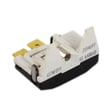
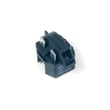
| Start device | Helps the compressor start and run | Medium |
| Run capacitor | Stabilizes compressor operation | Medium |
| Thermostat | Regulates temperature cycling | Medium |
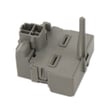
If you’re diagnosing a “not cooling” problem, it’s smart to check the start components before assuming the compressor is bad. For this model, examples include the start device WP2319792 and upright freezer run capacitor WPW10662129.
We recommend these steps first because they can prevent unnecessary sealed-system repairs:
- Verify the unit has power and the outlet is working
- Confirm temperature control settings are correct
- Listen for the evaporator fan and condenser fan operation
- Clean dust buildup around the condenser area if needed
- Check for heavy frost that points to a defrost issue
For model-specific operating and care guidance (including cleaning and maintenance notes), use the owner's manual.
Replacing a compressor can cost more than many other repairs combined. Ruling out simpler issues (controls, fans, defrost, start components) helps you fix the real failure faster and avoid replacing the most expensive part unnecessarily.
Last updated: February 2026
Who manufactures Gladiator refrigerators?
Gladiator refrigerators (including the Gladiator GAFZ21XXRK00 freezerator refrigerator) are manufactured by Whirlpool; Gladiator is a Whirlpool-owned brand, and service and factory-specified replacement parts are handled through Whirlpool’s designated service network.
In the owner's manual, the warranty and service language for this Gladiator freezerator refrigerator references Whirlpool-designated service and Whirlpool Canada LP for support, which ties the product line to Whirlpool manufacturing and service infrastructure.
Using factory-specified parts helps ensure correct fit, safe operation, and proper cooling performance.
- Match parts by full model number: GAFZ21XXRK00
- Use the model’s parts list to confirm compatibility before ordering
- For cooling issues, start with common electrical and airflow checks
- Replace worn door sealing parts to prevent frost and temperature swings
- Use proper diagnostic tools before replacing electrical components
| System area | Example part on this model | What it affects |
|---|---|---|
| Compressor start circuit | Upright freezer run capacitor WPW10662129 | Hard starting, clicking, warm temps |
| Door and cabinet | Gasket (black) 2177310 | Air leaks, frost buildup, run time |
| Defrost system | Defrost bi-metal WP4387503 | Frost on evaporator, poor airflow |
| Controls | Freezer temperature control thermostat WP2253122 | Temperature regulation |
Knowing Whirlpool manufactures Gladiator helps you focus on factory-specified components and the correct service approach for sealed-system and electrical issues, which reduces repeat failures and protects food storage temperatures.
Last updated: February 2026
What are the most commonly replaced parts in a refrigerator?
In a Gladiator GAFZ21XXRK00 freezerator refrigerator, the most commonly replaced parts are the ones tied to cooling airflow, defrosting, door sealing, and basic electrical starting. On this model, that often means items like the evaporator fan motor, defrost heater components, door gaskets, and compressor start parts (when symptoms match).
- Evaporator fan motor: moves cold air through the cabinet; failures cause warm temps and weak airflow.
- Defrost system parts: prevent frost buildup that blocks airflow.
- Defrost heater: melts frost off the evaporator.
- Defrost bi-metal (defrost thermostat): protects the heater and controls defrost cycling.
- Door gasket: keeps warm, moist air out; leaks cause frost, sweating, and longer run times.
- Compressor start components: help the compressor start and run.
- Start device and run capacitor are common when you hear clicking or the unit struggles to start.
- Light switch: affects interior light operation and, on some designs, can impact door-activated functions.
| Symptom | Likely part to check | Example part on this model |
|---|---|---|
| Heavy frost, warm temps, poor airflow | Defrost control components | Defrost bi-metal WP4387503 |
| Compressor clicks, won’t stay running | Start/run components | Upright freezer run capacitor WPW10662129 |
| Interior light issues | Door/light switch | Refrigerator light switch W11384469 |
- Confirm the temperature control setting is correct and allow 24 hours for stabilization.
- Inspect door gaskets for gaps, tears, or sticking; clean the gasket and the sealing surface.
- Look for frost buildup on the back wall or inside panels (a defrost issue often shows up here).
- Clean the condenser area if your space is dusty, greasy, or has heavy pet traffic (the manual recommends every 2 to 3 months in those conditions).
- If you’re testing electrical parts, use the wiring diagram and procedures in the owner's manual.
Replacing the right part restores proper airflow and heat removal, which protects food, reduces run time, and helps prevent repeat failures (especially when frost buildup or a door seal leak is the real root cause).
Last updated: February 2026
Why is my gladiator refrigerator freezer not cooling?
If your Gladiator GAFZ21XXRK00 freezerator refrigerator is not cooling, the most common causes are blocked airflow, doors not sealing or closing fully, dirty condenser coils, or a failed cooling/defrost component. Start with airflow and door checks, then move to coil cleaning and fan/compressor-start diagnostics using the owner's manual.
- Make sure the door closes firmly and stays closed (no bins or packages holding it open).
- Reduce door openings; frequent openings make the motor run longer and temperatures rise.
- Check for blocked air vents; move items away so cold air can circulate.
- Clean dirty condenser coils; dirty coils prevent heat transfer and reduce cooling.
- Confirm the control is set correctly for the surrounding conditions (garage temperature matters).
- Listen for the evaporator fan inside the cabinet; if it is not running, cold air will not circulate.
- Check for heavy frost on the back wall or evaporator cover; this points to a defrost problem.
- Verify the condenser fan (near the compressor) is running when the unit is trying to cool.
- If you hear clicking and the compressor will not stay on, suspect a start/capacitor issue.
| Symptom | Likely area | Example part for this model |
|---|---|---|
| Heavy frost buildup, warms up over time | Defrost system | Defrost bi-metal WP4387503, heater WP2315530 |
| Compressor tries to start, clicks off | Start components | Upright freezer run capacitor WPW10662129, start device WP2319792 |
| Runs but still warm, poor heat removal | Airflow at condenser | Refrigerator condenser fan motor WP2188874 |
When airflow is blocked or coils are dirty, the sealed system cannot shed heat efficiently, so temperatures climb even if the motor runs a lot. If a defrost part fails, frost can choke airflow and the unit warms up even though it sounds like it is running normally.
Last updated: February 2026