





How do I tell what model my GE washer is?
Your GE washer’s model number is printed on a rating label attached to the machine. On the GE WWA5600GAL style of top-load washer, we most often see it on the back of the control panel, under the lid opening, or on the cabinet side near the bottom.
Where to look on a GE washer
Check these common label locations (look for a sticker or metal tag with letters and numbers):
- Back of the control panel (rear of the console)
- Under the lid, around the tub opening
- Left or right side of the main cabinet near the bottom front edge
- Rear panel of the washer cabinet
- Inside the lid area near the hinge (less common)
What the model number looks like
GE model numbers are usually a mix of letters and numbers (for example, WWA5600GAL). Write it down exactly as shown.
| What to record | Example | Why it matters |
|---|---|---|
| Model number | WWA5600GAL | Ensures parts diagrams and fit are correct |
| Serial number | (varies) | Helps identify production run and revisions |
| Brand | GE | Confirms compatible part families |
Quick tips to avoid mix-ups
Use these checks before ordering washer parts like a belt, gasket, or knob clip:
- Match every character; don’t drop letters at the end
- If the label is worn, use a flashlight and take a close-up photo
- Compare the model number on the tag to the one on your parts list
- If you’re replacing a control knob, confirm the console style first
If your timer knob is loose or missing and you’re already working at the console, the washer timer knob clip WH1X2117 is a common related part for this model family.
Why it matters
The model number is the key to getting the right GE washer parts the first time. Even small model-number differences can change the drive system, tub seal design, or control panel hardware.
Last updated: February 2026
What is the average lifespan of a GE washing machine?
A GE washing machine typically lasts 10 to 14 years. For a GE top-load washer like model WWA5600GAL, consistent maintenance, correct load size, and prompt repair of wear items (like a belt or tub seal) are what most often determine whether it reaches the high end of that range.
What affects lifespan the most
- Load size and balance: Overloading and repeated out-of-balance spins wear the drive system faster.
- Water quality: Hard water speeds up mineral buildup and can contribute to leaks.
- Detergent use: Too much detergent can cause residue and odor issues.
- Drain and fill health: Slow draining or weak filling increases cycle stress.
- Small issues fixed early: A minor leak or slip can turn into major damage.
Common wear items to watch on WWA5600GAL
If you notice slipping, burning rubber smell, or weak agitation/spin, we check the drive system first.
| Symptom | Likely area | Example part for this model |
|---|---|---|
| Won’t spin or agitates weakly | Drive system | Washer drive belt WH1X2026 |
| Water leaking at tub area | Tub sealing | Washer tub gasket WH8X305 |
| Timer knob won’t stay on | Control knob hardware | Washer timer knob clip WH1X2117 |
Maintenance that adds years (practical checklist)
- Keep loads below the top of the tub and distribute items evenly.
- Use the right amount of HE detergent (even in many older top-loaders, less is better).
- Inspect hoses and clamps periodically; replace cracked or swollen hoses.
- If you see a drip, stop using the washer until the leak source is corrected.
- Run a periodic cleaning routine using a washer cleaner or hot wash (empty).
Why it matters
A washer that is maintained and repaired early usually avoids secondary damage (motor strain, transmission wear, cabinet rust). That is what most often separates a 10-year washer from a 14-year washer.
Last updated: February 2026
Why is my GE front load washer leaking from the bottom?
A bottom leak on a GE washer model WWA5600GAL almost always comes from a drain or tub-to-pump hose, a loose clamp, or a tub seal letting water escape during fill, wash, or drain. We fix it fastest by matching the leak timing to the most likely source.
Quick checks that usually find the leak
- Unplug the washer and turn off both water supply valves.
- Pull the washer forward and look for a wet trail under the pump and hoses.
- Run a short fill and watch with a flashlight (do not reach under the washer while it is running).
- Check hose connections for drips and mineral tracks.
- Look for water slung outward during spin (often a tub seal or tub gasket issue).
Most common causes (and what to inspect)
- Drain hose or internal drain hose crack: leaks most during drain and spin.
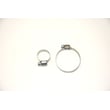
- Loose or damaged hose clamp: drips at a hose joint; tighten or replace the clamp kit.
- Tub gasket or tub seal seep: slow leak that worsens during agitation or spin.
- Pump area leak: water collects near the front bottom; inspect pump housing and hose ports.
- Over-sudsing (too much detergent): can force water out of vents or seams and look like a bottom leak.
Parts that commonly help on this model
| Symptom timing | What it points to | Example part for WWA5600GAL |
|---|---|---|
| Leaks mainly while draining | Drain hose, hose joint, clamp | Washer hose clamp kit WH1X2036 |
| Leaks mainly during spin | Tub seal or tub gasket | Washer tub gasket WH8X305 |
| No spin and water left behind, then leak | Belt slip causing poor drain/spin | Washer drive belt WH1X2026 |
Why it matters
A bottom leak can damage flooring and can also lead to belt slip, poor spin, and repeated out-of-balance vibration. Fixing the leak source early helps protect the drive system and prevents recurring water damage.
Last updated: February 2026
What voids a GE washer warranty?
Warranty coverage on a GE washer like model WWA5600GAL is typically voided by damage from misuse or abuse, improper installation or service, unauthorized modifications, and problems caused by incorrect electrical supply. Damage from external events (such as fire, flood, or lightning) is also commonly excluded.
Common reasons warranty coverage is denied
- Misuse, abuse, or accidents (overloading, running with shipping materials still installed, physical damage)
- Alterations or unauthorized repairs (non-factory modifications, incorrect parts, bypassing safety devices)
- Lack of proper care and routine maintenance (neglect that leads to preventable failures)
- Improper installation (incorrect hookups, unstable leveling, poor drain setup)
- Incorrect electrical voltage or current (wrong outlet, improper wiring, power issues)
- Damage from external causes (flooding, fire, wind, lightning, freezing)
Quick checklist before you schedule service
Use this to avoid a preventable denial when you are troubleshooting a problem on WWA5600GAL:
- Confirm the washer is on a properly grounded outlet and correct circuit
- Verify fill hoses are not kinked and the drain hose is installed correctly
- Level the washer to reduce vibration-related damage
- Do not bypass lid or safety switches
- Use only correct replacement parts for the repair
Examples: covered vs. not covered
| Situation | Usually covered? | Why |
|---|---|---|
| Timer knob clip breaks during normal use | Often yes | Normal-use failure can qualify under limited warranty terms |
| Belt fails after chronic overloading | Often no | Considered misuse/abuse |
| Water damage after a flood | No | External event exclusion |
| Failure after a DIY wiring change | No | Unauthorized modification |
Parts that often come up in “warranty void” situations
If a repair involves incorrect installation or non-matching parts, it can create warranty issues. For this model, common examples include the washer drive belt WH1X2026 and the washer timer knob clip WH1X2117.
Why it matters
Warranty decisions usually come down to cause: normal wear versus preventable damage. Keeping the washer properly installed, maintained, and unmodified protects you and helps ensure any legitimate defect is handled as warranty service.
Last updated: February 2026


