Error Codes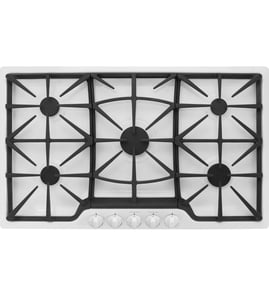


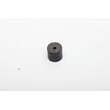
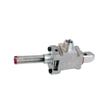
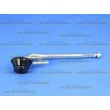
What are the components of a gas cooktop?
A gas cooktop like model CVG4280S is built around a gas delivery system and burner system that work together to create a controllable flame; most units also include ignition and safety components, plus surface hardware such as grates and knobs for stable cooking and easy control.
Core components you will see on most gas cooktops
- Burner assemblies: burner base, burner head/cap, and ports that shape the flame
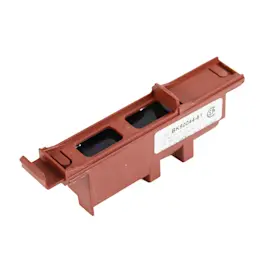
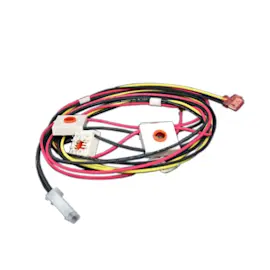
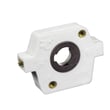
- Ignition system: spark igniters and wiring that light the gas
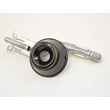
- Gas valves and manifold: controls gas flow to each burner
- Pressure regulator: keeps gas pressure steady for consistent flame
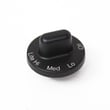
- Control knobs and bezels: user controls that turn valves on/off and adjust flame
- Cooktop surface and seals: supports burners and helps contain spills
- Grates: hold cookware at the correct height above the flame
Parts on CVG4280S that match these components
These are examples of component types we commonly replace on this model:
| Component type | What it does | Example part for CVG4280S |
|---|---|---|
| Gas valve | Opens and modulates gas to a burner | Gas valve WPY04100188 |
| Pressure regulator | Stabilizes incoming gas pressure | Pressure regulator W11106948 |
| Knob | Lets you turn and adjust a burner | Cooktop burner knob WP71001641 |
Why it matters
Knowing the main components helps you troubleshoot faster. For example, a burner that clicks but will not light often points to an ignition or gas-flow issue, while a weak, uneven flame often points to burner ports, regulator, or valve performance.
Quick troubleshooting by symptom (component-focused)
- No spark/clicking: igniter, switch, wiring, or power supply issue
- Clicks but will not light: clogged burner ports, wet igniter area, low gas supply, or valve issue
- Weak or lifting flame: burner head alignment, dirty ports, regulator, or incorrect gas pressure
- Knob turns but burner does not respond: knob fit, valve stem, or valve problem
Last updated: January 2026
How do I find the model number on my CVG4280S?
Your cooktop’s model number is on the appliance identification label, not on a removable part like a knob or grate. For the Jenn-Air CVG4280S, check the underside of the cooktop near the burner box area or along the base where the unit mounts into the countertop.
Where to look on a gas cooktop
Most cooktops place the rating plate in one of these spots:
- Under the cooktop (look up from inside the cabinet below)
- On the underside of the cooktop chassis near the gas valve/regulator area
- Along the side rail of the cooktop base (visible after opening the cabinet doors below)
- Occasionally near the downdraft housing on downdraft models
What the label looks like
The label is usually a silver or white sticker or metal plate. It typically includes:
- Model number (for example, CVG4280S)
- Serial number
- Gas type (natural gas or LP)
- Electrical rating (volts/amps)
Tips to avoid common mix-ups
Use these checks so you order the right parts:
- Match the full model number exactly, including any suffix letters
- Do not use numbers stamped on burner caps, grates, or knobs
- If you are converting fuel types, confirm the model before ordering an LP kit like the lp conversion kit 12001809
Why it matters
The model number is how we match diagrams and ensure parts like a pressure regulator, ignitor, or gas valve fit your exact cooktop configuration.
| You need | Use the | Example from this model’s parts |
|---|---|---|
| Correct fit | Model number | CVG4280S |
| Correct fuel setup | Gas type on label | LP conversion parts |
Last updated: March 2026
What is the average lifespan of CVG4280S?
The average lifespan of a Jenn-Air CVG4280S gas cooktop is 15 years with normal household use and basic maintenance. Keeping burners clean, ensuring steady ignition, and maintaining proper gas flow helps the valves, ignitors, and regulator last longer.
What affects lifespan most
These factors have the biggest impact on how long a gas cooktop lasts:
- Burner cleanliness (clogged ports cause uneven flame and overheating)
- Ignition wear (frequent clicking or delayed lighting strains the ignitor system)
- Gas quality and pressure stability (protects the regulator and gas valves)
- Spill control (liquids can foul switches and wiring)
- Ventilation and heat exposure around the cooktop base
Parts that commonly wear first
If performance drops before the cooktop reaches its typical service life, these are common wear items to check:
- Burner components (weak or uneven flame)
- Ignition parts (no spark, constant clicking)
- Control components (burner won’t turn on/off smoothly)
- Grease filtration on downdraft setups (reduced airflow)
For downdraft models, a clogged filter can also contribute to heat and odor issues; replacing the range downdraft vent grease filter WP707929 restores airflow.
Quick “replace vs. repair” guide
Use this as a practical decision tool:
| Situation | Best next step |
|---|---|
| One burner won’t ignite but others work | Clean burner ports, then inspect ignitor and switch |
| Flames are low on all burners | Check gas supply and regulator performance |
| Multiple issues plus heavy corrosion | Price out key parts and compare to replacement |
Why it matters
Knowing the 15-year average helps you plan: a single part replacement (knob, ignitor, valve switch, filter) often restores safe, consistent cooking without replacing the entire cooktop.
Last updated: March 2026