Owner’s manual
 Error Codes
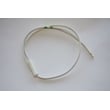


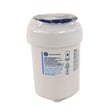
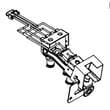

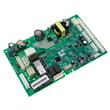
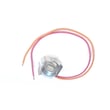
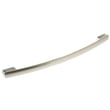
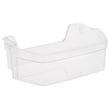
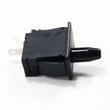
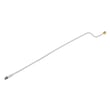
Can I replace fridge parts myself?
Yes. On the GE GWE19JSLAFSS bottom-mount refrigerator, we can safely replace many “bolt-on” parts ourselves (bins, handles, filters, some fan and defrost parts) as long as we unplug the refrigerator first and reinstall all panels before running it again; follow the GWE19JSLAFSS owner’s manual for model-specific safety steps.
Good DIY repairs vs. call a pro
Many refrigerator repairs are straightforward, but anything involving refrigerant lines or complex diagnostics should be handled by a qualified service professional.
DIY-friendly (common homeowner replacements)
- Refrigerator water filter (routine maintenance)
- Door bins, drawers, and handles
- Door gaskets (if you are comfortable warming and reshaping the seal)
- Some electrical “plug-in” parts like sensors, fan motors, and defrost components (with power disconnected)
Better for a qualified technician
- Sealed system work (compressor, evaporator, condenser, refrigerant tubing)
- Persistent cooling failures after basic checks
- Electrical diagnostics that require live-voltage testing
Safety steps we follow first
- Unplug the refrigerator (controls do not remove power).
- Wear cut-resistant gloves around sheet metal.
- Take photos of wire connectors before disconnecting anything.
- Replace all parts and panels before operating.
- Avoid extension cords; use a properly grounded outlet.
Parts that commonly solve “easy” problems
If your issue is water taste/flow or ice production, start with the filter and basic water checks.
| Symptom | Most common DIY fix | Example part for this model |
|---|---|---|
| Slow water flow, weak ice production | Replace filter; flush air from lines | GE refrigerator water filter MWFP |
| Warm fridge or freezer, fan noise | Check evaporator fan operation | WR60X10185 (evaporator fan motor) |
| Frost buildup, poor airflow | Check defrost heater/thermostat | WR51X10108, WR50X10069 |
Why it matters
DIY repairs can save time and money, but refrigerators combine sharp metal, heavy doors, and electrical components. Following the manual’s unplug-first guidance helps prevent injury and protects the control board and wiring.
Last updated: February 2026
How do you put the bottom grill on a GE refrigerator?
On the GE GWE19JSLAFSS bottom-mount refrigerator, the bottom grill (base grille) typically snaps into the front lower frame. We align the tabs, push the grille straight in until it seats, then reinstall any retaining screws (if your version uses them).
Before you start
- Unplug the refrigerator or switch it off at the breaker if you will be working near wiring.
- Pull the refrigerator straight out only if needed; avoid rolling over the power cord or water line.
- Raise the front leveling legs slightly if you need more clearance.
- Keep screws and end caps together so the grille sits flush.
How to reinstall the bottom grill (base grille)
- Position the grill at the bottom front of the cabinet.
- Line up the grill’s tabs with the slots along the lower frame.
- Press evenly along the grill until it snaps fully into place.
- If your grill uses screws, reinstall them with a Phillips screwdriver.
- Confirm the grill is not rubbing the doors or blocking airflow.
Quick fit check
| What you see | What it means | What to do |
|---|---|---|
| One side sticks out | Tabs not fully engaged | Press that corner in firmly, then recheck alignment |
| Grill feels loose | Missing screw or broken tab | Reinstall screw; replace grill if tabs are damaged |
| Door hits grill | Grill not seated or legs mis-set | Reseat grill; re-level the front legs |
Why it matters
A properly installed base grille helps protect components at the bottom front of the refrigerator and supports correct airflow around the machine compartment, which helps cooling performance.
Reference
For model-specific cabinet and handling guidance, use the GWE19JSLAFSS owner’s manual.
Last updated: February 2026
How to find GE appliance parts?
To find the right GE parts for your GWE19JSLAFSS bottom-mount refrigerator, we match parts to your exact model number. Use the model number from the rating label, then look up the part by name (water filter, door gasket, ice maker) and confirm it fits your specific GE refrigerator.
Where to find the model number (so parts fit)
We use the model number to pull the correct diagrams and compatible parts list.
- Check the fresh food compartment walls (often near the crisper area)
- Check the door jamb area when the refrigerator door is open
- Write down the full model number exactly as shown: GWE19JSLAFSS
- If there is also a serial number, keep it handy for service questions
For model-specific part locations and component names, use the GWE19JSLAFSS owner’s manual.
Fast ways to find the part you need
Start with the symptom or the part name, then confirm compatibility with your model.
- Water tastes or smells off: replace the water filter
- No ice or slow ice production: check the ice maker and water supply components
- Warm refrigerator or freezer: check airflow and cooling components
- Frost buildup: check defrost system parts
- Door not sealing: check the door gasket and door alignment
Common part lookups for this model
| What you need | What it’s called | Example part for this model |
|---|---|---|
| Water filter | Refrigerator water filter | GE refrigerator water filter MWFP |
| Temperature sensing | Temperature sensor | WR55X10025 |
| Air circulation | Evaporator fan motor | WR60X10185 |
| Water supply to dispenser/ice maker | Water inlet valve assembly | WR57X30890 |
Why it matters
GE refrigerators often have similar-looking parts across model families, but small design differences affect fit and performance. Matching parts to GWE19JSLAFSS helps you avoid returns and fixes issues faster.
Last updated: February 2026
What is the average lifespan of a GE refrigerator?
Most GE refrigerators, including the GE GWE19JSLAFSS bottom-mount style, last 10 to 15 years with normal use. Regular maintenance (cleaning coils, keeping door gaskets sealing, and changing the water filter on schedule) helps you reach the high end of that range.
Typical lifespan and what affects it
A refrigerator’s life depends more on operating conditions than brand alone. These are the biggest factors we see:
- Condenser coil cleanliness (dust buildup makes the compressor work harder)
- Door gasket condition and door alignment (warm air leaks shorten component life)
- Stable temperatures (avoid frequent warm-ups from propped doors)
- Water system upkeep (filter changes help protect valves and the dispenser)
- Airflow around the cabinet (tight enclosures trap heat)
For model-specific care and maintenance intervals, use the GWE19JSLAFSS owner’s manual.
Quick lifespan guide (what to expect)
| Refrigerator age | What’s common | What we recommend |
|---|---|---|
| 0 to 5 years | Minor adjustments, filter changes | Keep temps steady; follow maintenance schedule |
| 6 to 10 years | Wear items show up (gaskets, fans, sensors) | Address small issues early to prevent bigger failures |
| 11 to 15 years | Higher chance of cooling or control issues | Compare repair cost vs. remaining life |
| 16+ years | End-of-life range for many units | Plan for replacement if major sealed-system work is needed |
Maintenance that extends life on this GE model
These steps are practical and make a measurable difference:
- Vacuum coils and the area around the compressor a few times per year
- Keep the doors closing squarely; fix sagging doors and torn seals
- Set the refrigerator to about 37°F and freezer to about 0°F (typical targets)
- Replace the water filter about every 6 months or sooner if flow drops
- Don’t overload shelves so air can circulate
If you need a compatible filter for this model, use the refrigerator water filter MWFP.
Why it matters
A refrigerator that runs hotter or leaks air cycles longer; that extra run time increases wear on the compressor, evaporator fan, and control components. Simple upkeep often prevents “no cooling” and temperature swing complaints.
Last updated: February 2026
What is the bottom part of a refrigerator called?
On a GE GWE19JSLAFSS bottom-mount refrigerator, the “bottom part” most people mean is the compressor area (the sealed-system components that circulate refrigerant) located in the lower rear section. The bottom front area also includes the leveling legs used to stabilize the refrigerator.
What you might be referring to
Depending on what you’re looking at, the “bottom part” can mean different components:
- Compressor compartment (bottom rear): houses the compressor and related start components
- Bottom freezer section (front): the freezer drawer and its rails on bottom-mount designs
- Leveling legs (bottom front): adjustable feet that raise or lower the cabinet for proper door closing
- Drain pan area (bottom rear): where defrost water can evaporate (varies by design)
For diagrams and component locations specific to your refrigerator, use the GWE19JSLAFSS owner’s manual.
Quick guide: common “bottom” terms
| What you see | Common name | What it does |
|---|---|---|
| Black can-shaped unit underneath/back | Compressor | Pumps refrigerant to create cooling |
| Adjustable feet at the front | Leveling legs | Levels cabinet, helps doors seal |
| Lower drawer on the front | Freezer drawer | Frozen food storage |
Why it matters
Using the right name helps you troubleshoot faster and order the correct GE refrigerator parts. For example, a “warm fridge” complaint often points to airflow or sealed-system issues, while “doors not closing” often points to leveling legs or a door gasket.
Helpful tips before you service anything
- Unplug the refrigerator before accessing the bottom rear area
- Pull the unit straight out to avoid floor damage
- Raise the leveling legs before moving the refrigerator
- Avoid rolling over the power cord or water line when pushing it back
Last updated: February 2026
What is the most common problem with GE profile refrigerators?
The most common problems we see on GE Profile refrigerators like model GWE19JSLAFSS are ice maker and water dispensing complaints (slow or no ice, odd taste) and temperature control issues caused by airflow, defrost, or sensor-related faults. Use the GWE19JSLAFSS owner’s manual troubleshooting section to narrow it down fast.
Most common symptoms (and what they usually point to)
- Not making ice or slow ice production: water supply restriction, filter clog, ice maker fill issue
- Bad taste or odor in ice: normal after startup; discard the first 24 hours of ice
- Fresh food section too warm: evaporator fan or airflow blockage, door not sealing
- Frost buildup or warming after a few days: defrost system problem
- Temps swing up and down: temperature sensor (thermistor) or control issue
Quick checks we recommend first
- Confirm doors close fully and gaskets seal all the way around.
- If ice tastes odd after a new install or restart, throw away 24 hours of ice.
- Replace the water filter on schedule; a restricted filter can reduce water flow to the ice maker.
- Listen for the evaporator fan; a failed fan often causes warm temps and poor ice production.
- If the doors look uneven, adjust alignment (the manual notes a 1/4-inch Allen adjustment at the bottom of the door on many models).
Common parts tied to these problems on GWE19JSLAFSS
| Problem area | What fails most often | Example part for this model |
|---|---|---|
| Water and ice | Clogged filter | Refrigerator water filter MWFP |
| Temperature sensing | Thermistor/sensor drift | GE profile refrigerator temperature sensor WR55X10025 |
| Air circulation | Evaporator fan motor | Rca refrigerator evaporator fan motor WR60X10185 |
| Defrost | Heater or bi-metal thermostat | WR51X10108 or WR50X10069 (listed for this model) |
Why it matters
Ice maker and cooling complaints often share the same root causes: restricted water flow, poor airflow, or incorrect temperature feedback. Fixing the underlying cause protects food, improves ice production, and prevents repeat service calls.
Last updated: February 2026