Owner’s manual
 View engine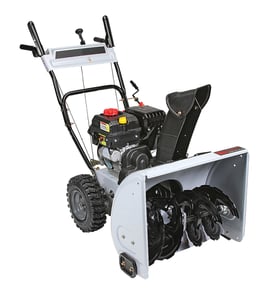



Should I use 87 or 91 for snowblower?
For the Craftsman snow thrower model 247885690, use clean, fresh unleaded automotive gasoline; 87 octane is the right choice for normal operation, and 91 octane does not improve snowblower performance. The bigger priority is keeping fuel fresh and storing it correctly per the 247885690 owner's manual.
What fuel to use (and what matters most)
- Use fresh, unleaded automotive gasoline.
- Choose 87 octane (regular) for everyday use.
- Avoid using old fuel; stale gas is a top cause of hard starting.
- Fill the tank outdoors and wipe up spills before starting.
- If the snowblower will sit, plan for storage steps (stabilizer or draining).
Storage guidance (prevents gumming and starting problems)
Our manual guidance for this Craftsman model is clear: if the snowblower will not be used for 30 days or longer, prepare the fuel system for storage.
- Option A: Run the engine until it stops because the tank is empty.
- Option B: Drain the carburetor using the bowl drain (only if you are not using stabilizer).
- Use an approved container and keep fuel away from flame or sparks.
Quick comparison
| Choice | When to use it | Benefit |
|---|---|---|
| 87 octane (regular) | Normal snow clearing | Correct fuel grade for typical operation |
| 91 octane (premium) | Not needed for performance | Costs more; no practical gain |
| Fuel stabilizer | Storage or infrequent use | Helps reduce varnish and fuel breakdown |
Why it matters
Octane mainly relates to knock resistance in higher-compression engines. For a typical Craftsman snowblower engine, fuel freshness and proper storage do far more to prevent hard starting, rough running, and carburetor issues than buying premium gas.
Last updated: January 2026
How to find snowblower model number?
On the Craftsman snow thrower model 247885690, the model and serial numbers are printed on a label attached to the snowblower frame. Once you find that label, record both numbers so you can match the correct parts list and 247885690 owner's manual.
Where to look on the machine
The ID label is mounted to the frame (not the engine shroud). Common places to check include:
- Rear of the unit between the wheels
- Lower rear frame rail behind the engine
- Side of the frame near the axle or wheel assembly
- Near the belt cover area on the frame
What to write down (and why)
We recommend recording these details exactly as shown on the label:
- Model number (example format: 247.885690)
- Serial number
- Date of purchase (helpful for maintenance records)
- Any engine model information listed (some snowblowers list both unit and engine IDs)
Quick reference table
| Item on label | What it’s used for | Example you might see |
|---|---|---|
| Model number | Matching the correct parts diagrams | 247.885690 |
| Serial number | Identifying production run details | Varies |
| Engine model (if shown) | Engine-specific tune-up parts | 143.979001 |
Why it matters
Craftsman snowblower parts can vary by production run, even when the machines look similar. Using the exact model number helps ensure you get the right auger belt, skid shoes, shave plate, and other replacement parts the first time.
Last updated: January 2026
How long does a gas-powered snow blower last?
A gas-powered snowblower typically lasts 10 to 15 years with normal homeowner use and consistent maintenance. For the Craftsman 247885690 snow thrower, following the maintenance, lubrication, tune-up, and storage steps in the 247885690 owner's manual is the biggest factor in reaching that lifespan.
What affects lifespan the most
- Fuel care and storage habits: old fuel and moisture cause hard starting and fuel-system problems.
- Wear items replaced on time: skid shoes, shave plate, belts, and spark plug wear out during normal use.
- Proper adjustments: clutch and drive controls need periodic checks so the auger and drive engage correctly.
- End-of-season storage: running the engine dry and draining the carburetor for long storage prevents gum deposits.
- Operating conditions: heavy, wet snow and gravel driveways increase wear on the auger housing and scraper area.
Maintenance schedule we recommend (typical)
| Task | Typical interval | Why it matters |
|---|---|---|
| Check/replace friction wheel rubber | Inspect about every 25 hours | Prevents slipping and poor ground drive |
| Inspect belts and pulleys | Each season | Avoids loss of auger or drive power |
| Check fasteners and shear bolts | Frequently during season | Helps keep the machine safe and reliable |
| End-of-season fuel system prep | If storing 30+ days | Prevents carburetor varnish and starting issues |
Parts that commonly wear out first
These are normal “consumable” items on gas snow throwers and replacing them on time helps the machine last longer:
- Skid shoes (protect the auger housing and set scraper height)
- Shave plate or scraper blade (takes the abrasion from pavement)
- Belts (auger belt and drive belt)
- Friction wheel rubber (controls traction and speed)
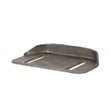
If you are seeing excessive scraping, poor clearing, or uneven height, replacing the mtd snowblower skid shoe (polo green) 784-5580-0637 and setting the skid shoe height correctly can reduce wear on the housing and shave plate.
Why it matters
A snowblower that is stored with stabilized fresh fuel (or properly drained for long storage) and kept adjusted will start easier, throw snow farther, and avoid expensive repairs like drive system or gear case damage.
Last updated: January 2026
Are snowblower shear pins universal?
No. Snowblower shear pins (shear bolts) are not universal because they’re sized and rated to break at a specific load to protect the auger drive and gearbox on your Craftsman model 247885690. Using the wrong pin (or a regular bolt) can prevent proper shearing and lead to expensive damage.
How to choose the correct shear pin for model 247885690
Use the shear bolt and matching lock nut specified for your auger assembly. The augers on this model are secured with two shear bolts and hex lock nuts, and the machine is designed so the bolts shear if the auger hits a foreign object or jams in ice.
- Match the diameter and length exactly (a slightly longer bolt can bind)
- Match the thread type so the lock nut seats correctly
- Use the correct grade (too strong will not shear when it should)
- Replace shear bolts in pairs if both show wear or damage
- Keep spares on hand so you can get back to clearing snow quickly
For the exact part callout and replacement procedure, follow the 247885690 owner's manual.
When a “universal” kit works (and when it doesn’t)
Some kits fit multiple MTD-built platforms, but “fits” is not the same as “protects.” A kit is only acceptable when it matches the original bolt’s size and shear behavior.
| Option | Fit likelihood | Protection level | What we recommend |
|---|---|---|---|
| OEM shear bolt for your model | High | High | Best choice |
| Brand-labeled multi-fit kit | Medium | Medium | Use only if specs match |
| Standard hardware-store bolt | High | Low | Do not use |
Signs your shear bolts have failed
If the engine runs but the augers stop turning, shear bolts are the first thing we check.
- Auger does not rotate but impeller may still move
- One auger turns and the other does not
- You hear a bang, then loss of auger drive
- Bolt head missing or bolt shaft snapped at the auger hub
Why it matters
Shear bolts are a built-in safety device. They sacrifice themselves to protect high-cost parts like the gear case and worm gear when the auger hits ice chunks, gravel, or hidden objects.
Last updated: January 2026