Owner’s manual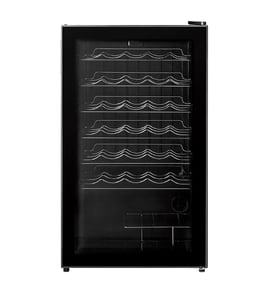

What else can I put in a wine cooler?
In a KitchenAid KUWS24RSBS00 wine cellar, you can store more than wine: sealed beverages like bottled water and canned soda work well, and many people also chill non-perishable mixers. For food, stick to items that are already safe at the cooler’s temperature range.
Best non-wine items to store
These items typically do well because they are sealed, stable, and benefit from steady chilling:
- Bottled water, sparkling water, and canned soda
- Beer and hard seltzer (cans or bottles)
- Juice, sports drinks, and ready-to-drink coffee
- Sealed mixers (tonic, ginger beer, simple syrup)
- Chocolate or certain snacks that you prefer slightly chilled
What to avoid (or use caution with)
A wine cooler is not designed like a full refrigerator, so avoid items that require strict food-safe temperatures.
- Raw meat, poultry, or seafood
- Milk, soft cheeses, and other highly perishable dairy
- Leftovers or cooked foods that must stay at 40°F or below
- Open containers that can spill or absorb odors
- Anything that could freeze or burst if you set the unit very cold
Temperature guidance for KUWS24RSBS00
The manual recommends storing wine short-term (a few months) at 55°F (13°C), and it also notes to wait at least 24 hours between temperature adjustments. Use that same approach for beverages: set a temperature you like, then give it time to stabilize. See the KUWS24RSBS00 owner's manual for control details and recommended wine zone usage.
| What you’re storing | Typical target range | Notes |
|---|---|---|
| Wine (short-term) | 55°F (13°C) | Manual recommendation for short-term storage |
| Canned/bottled drinks | 38 to 55°F | Colder for “ready to drink”, warmer for gentle chilling |
| Fresh produce | 40 to 55°F | Use only if it stays crisp and does not spoil quickly |
Why it matters
Using the right items helps the wine cellar maintain stable temperatures and airflow. Overloading with food that needs refrigerator-level cold can lead to spoilage, and blocking vents can reduce cooling performance.
Last updated: January 2026
What is the difference between a wine cooler and a beverage cooler?
A wine cooler is built to store wine at steady, wine-friendly temperatures with minimal disturbance, while a beverage cooler is built to chill a wider mix of drinks colder and faster. Your KitchenAid KUWS24RSBS00 is a wine cellar style unit with controls and rack storage designed around wine serving and short-term storage.
Key differences that affect performance
- Temperature range and stability: Wine storage focuses on stable temps (often around 55°F for short-term storage), while beverage chilling often targets colder temps for soda and beer.
- Storage layout: Wine coolers commonly use racks that support bottles; beverage coolers typically use adjustable shelves for cans and bottles.
- Humidity and door sealing: Wine storage benefits from a good door seal to reduce moisture swings and temperature loss.
- Vibration and noise control: Wine coolers are designed to reduce vibration that can disturb wine.
- How you use it day-to-day: Beverage coolers are often opened more frequently, which drives temperature swings and interior moisture.
How this applies to the KUWS24RSBS00
The KUWS24RSBS00 manual recommends 55°F (13°C) for short-term wine storage (a few months) and notes you should wait at least 24 hours between temperature adjustments to let the cabinet stabilize. For wine organization, it also explains how the wine racks remove and reinstall using the rack tabs. See the KUWS24RSBS00 owner’s manual for the control settings and rack handling steps.
Quick comparison
| Feature | Wine cooler (wine cellar) | Beverage cooler |
|---|---|---|
| Best use | Wine serving and storage | Mixed drinks, quick chilling |
| Typical setpoint | Around 55°F for short-term wine storage | Often colder for soda/beer |
| Interior | Wine racks | Shelves and flexible storage |
| Door openings | Less frequent | More frequent |
Why it matters
Using the right cooler type helps protect flavor and consistency. For example, frequent door openings can increase interior moisture because humid room air enters the cabinet; a tight door seal helps reduce that effect.
When a part may be involved
If your unit struggles to hold temperature or you see excess moisture, a worn door seal is a common cause. For this model, the correct replacement is the door gasket WPW10238068.
Last updated: January 2026
What is the best wine cooler on the market?
The “best” wine cooler depends on how you’ll use it: long-term aging vs. everyday serving, single-zone vs. dual-zone, and built-in vs. freestanding. For a dual-zone, undercounter style like KitchenAid model KUWS24RSBS00, consistent compressor cooling, stable temperatures, and a tight door seal matter most.
What to look for when comparing wine coolers
- Cooling type: Compressor cooling is the standard for steady temperatures in most home wine cellars.
- Zones: Dual-zone helps keep whites and reds at different serving temps.
- Temperature stability: Look for minimal swings and a control that allows small adjustments.
- Door and glass: UV-protected glass and a strong gasket reduce heat gain.
- Capacity and rack design: Bottle count varies widely; check rack spacing for wider bottles.
- Noise and vibration: Lower vibration is better for wine storage.
Practical temperature guidance (matches how dual-zone units are used)
KitchenAid’s guidance for wine storage is to follow the wine producer’s recommendation; for short-term storage (a few months), 55°F (13°C) is a common target. Dual-zone layouts typically keep white wine in the upper zone and red wine in the lower zone. For control changes, waiting at least 24 hours between adjustments helps you avoid overcorrecting.
| Use case | Best fit | Why |
|---|---|---|
| Everyday mixed drinks and wine | Dual-zone undercounter | Separate temps for whites and reds, clean built-in look |
| Serious long-term aging | Premium cellar-grade units | Tighter stability, humidity control, low vibration |
| Small space or budget | Compact single-zone | Simple, lower cost, easier placement |
Model-specific tip for KUWS24RSBS00 owners
If your KUWS24RSBS00 struggles to hold temperature, start with airflow and sealing. A worn gasket can leak cold air and force longer run times; replacing the door gasket WPW10238068 is a common fix when you see gaps, condensation, or the door not closing firmly.
Why it matters
Wine quality is sensitive to heat and temperature swings. Choosing a cooler with stable control, good sealing, and the right zone setup protects flavor and helps the unit run efficiently.
For operating details like control behavior, zone displays, and rack removal, use the KUWS24RSBS00 owner’s manual.
Last updated: January 2026
Can you still buy wine coolers?
Yes. You can still buy wine coolers, and you can also buy wine and beverage coolers (appliances) like the KitchenAid KUWS24RSBS00. If you mean the appliance, they are widely sold and supported with replacement parts; if you mean the drink, many brands still sell “wine cooler” style beverages.
Quick clarification: drink vs. appliance
Wine cooler can mean two different things:
- Wine and beverage cooler appliance: a temperature-controlled cabinet for bottles and cans (like KUWS24RSBS00).
- Wine cooler drink: a flavored alcoholic beverage, sometimes wine-based and sometimes malt-based.
- Hard seltzers and flavored malt beverages: often stocked in the same section and can look similar.
If you mean the KUWS24RSBS00 appliance
We still support the KitchenAid KUWS24RSBS00 wine cellar with documentation and common replacement parts. For setup, temperature use, and care details, use the KUWS24RSBS00 owner’s manual.
Common “still sold” support items customers replace
These are typical wear items that help performance and door sealing:
- Door gasket WPW10238068 if the door does not seal tightly
- Leveling legs (for stability and proper door closing)
- Temperature control components if temperatures drift
- Fan motors if airflow is weak or noisy
| What you’re buying | What it does | Typical reason to shop |
|---|---|---|
| Wine and beverage cooler appliance | Chills and stabilizes storage temps | Replace an older unit, add a built-in cooler |
| Wine cooler drink | Ready-to-drink flavored alcohol | Convenience, flavor variety |
Why it matters
If you are shopping for the appliance, “wine cooler” support is about temperature stability, ventilation clearance, and door sealing. A poor seal or poor airflow can cause longer run times, warm zones, and excess noise.
Last updated: January 2026