Owner’s manual
 Error Codes


What is the most common problem with LG dryers?
The most common problem we see with LG dryers like model DLG3171W is poor drying performance: the dryer takes too long or does not heat correctly. In most cases, restricted airflow (lint buildup or a clogged vent) is the root cause; worn drum parts and sensor issues are also frequent.
Most common issues (and what they look like)
- Restricted venting or lint buildup: long dry times, overheating, burning smell, or airflow-related codes
- No-heat condition: drum tumbles but clothes stay cold (gas supply off on gas models, or a failed thermostat/thermistor)
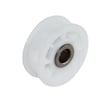
- Drum not tumbling or squealing: broken belt, worn rollers, or an idler pulley problem
- Moisture sensor problems: shuts off too soon or runs too long (sensor bars coated with residue)
- Door switch problems: dryer will not start or stops when the door is bumped
Quick checks we recommend first
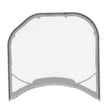
- Clean the lint filter every load; wash it with warm, soapy water if it is coated with fabric softener residue (let it dry fully before reinstalling). See the DLG3171W owner's manual.
- Confirm strong airflow at the outside vent hood; weak airflow points to a crushed duct, lint blockage, or an overly long vent run.
- Match cycle to load: sensor dry cycles adjust time automatically; manual dry cycles run for the time you set. Review cycle behavior in the DLG3171W owner's manual.
- If the display shows tE1/tE2, the manual ties that to a thermistor malfunction.
Common symptoms and likely causes
| Symptom | Most likely cause | What to do next |
|---|---|---|
| Takes too long to dry | Vent restriction, lint buildup | Clean lint filter and venting; verify airflow |
| Tumbles but no heat | Gas supply off (gas), thermostat/thermistor issue | Check gas shutoff (gas); test heat circuit parts |
| Loud thumping/squeal | Belt, roller, idler wear | Inspect drum drive parts |
| Error codes | Sensor or control detecting a fault | Use LG code guidance and manual troubleshooting |
Parts that commonly fix drum and airflow-related complaints
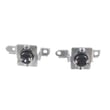
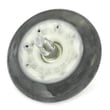
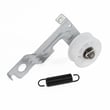
When the drum will not turn or makes noise, these are frequent wear items on this model:
Why it matters
Airflow problems do more than slow drying; they can also cause overheating that trips safety thermostats and creates repeat no-heat complaints. Keeping the lint filter and venting clean is the single best way to prevent most “LG dryer not heating” and “takes too long” issues.
Last updated: February 2026
What is the average lifespan of an LG dryer?
Most LG dryers, including the LG DLG3171W, typically last 10 to 15 years with normal household use. Consistent airflow maintenance (lint filter and venting) and avoiding overloads are the biggest factors that keep the motor, drum support rollers, and heat system from wearing out early.
What affects dryer lifespan the most
- Vent restriction (long runs, crushed duct, clogged hood) increases heat and run time
- Lint buildup in the cabinet or blower area accelerates wear and overheating
- Overloading strains the drum belt, idler pulley, and drum rollers
- Frequent high-heat cycles can shorten life of thermostats and sensors
- Delayed repairs (squeals, thumps, burning smell) often leads to bigger failures
Quick maintenance checklist (best return for the effort)
- Clean the lint screen every load; confirm it seats correctly in the housing
- Inspect and clean the vent path periodically; use heavy metal venting, not plastic or thin foil
- Keep the area around the dryer clean and uncluttered for proper airflow
- If dry times increase, address venting first before replacing parts
- Follow the care and safety guidance in the DLG3171W owner’s manual
Common wear items and what they usually mean
| Symptom | Most common cause | Example part for DLG3171W |
|---|---|---|
| Drum not turning, motor runs | Belt slipped or broken | Dryer drum belt 4400EL2001F |
| Squealing or rumbling | Roller or idler wear | Dryer drum support roller, idler pulley |
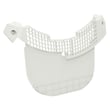
| Long dry times | Venting restriction or airflow issue | Lint screen housing, blower wheel, ducting |
Why it matters
A dryer that is forced to run hot or run long to dry a load wears out faster. Keeping airflow strong helps the DLG3171W dry efficiently, protects temperature controls (thermistors and thermostats), and reduces strain on the drive system.
Last updated: February 2026
What are the main parts of a dryer?
On the LG DLG3171W dryer, the main parts include the drum (tumbles clothes), drive system (motor, belt, idler), airflow system (blower wheel and exhaust duct), heat and temperature controls (thermistors and thermostats), and safety/controls (door switch and control panel). See the DLG3171W owner's manual for the exact component locations.
Main dryer parts and what they do
- Control panel: selects cycles and options; starts and stops operation.
- Drum and seals: holds and tumbles the load; seals help keep airflow moving through the drum.
- Drive system: motor turns the drum using a belt and idler pulley.
- Airflow system: blower pulls air through the drum and pushes it out the exhaust duct.
- Lint filtering: lint filter and housing capture lint before air enters the blower.
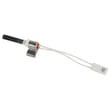
- Heating and temperature control: burner/igniter on gas models (or heater on electric models) plus thermostats/thermistors to regulate temperature.
- Safety interlocks: door switch prevents operation with the door open.
Common parts you may replace on DLG3171W
| System | What you notice | Example part for this model |
|---|---|---|
| Drum drive | Drum not turning, squealing | Dryer drum belt 4400EL2001F |
| Drum support | Thumping, rumbling, uneven drum movement | Dryer drum support roller 4581EL2002H |
| Temperature sensing | Overheating, poor drying, temp errors | Dryer thermistor AGM30045804 |
| Door safety | Dryer will not start when door is closed | Dryer door switch EBF61496102 |
Why it matters
Knowing the main parts helps you troubleshoot faster. For example, long dry times usually point to airflow and lint filtering (lint screen housing, blower wheel, exhaust duct), while a drum that will not turn points to the belt, idler pulley, or motor.
Quick safety reminders before inspecting parts
- Unplug the dryer (and shut off gas for gas models) before opening panels.
- Do not reach into the dryer if the drum is moving.
- Follow the service and safety steps in the DLG3171W owner's manual.
Last updated: February 2026
What parts might cause an LG dryer to not heat?
On the LG DLG3171W dryer, “no heat” is usually caused by a power or gas supply issue, restricted airflow, or a failed temperature-sensing/safety component. Start with the checks in the DLG3171W owner's manual, then inspect the most common heat-related parts.
Most common causes (and what to check)
- Power supply (electric heat): a tripped breaker or blown fuse can let the dryer run but prevent heating.
- Gas supply (gas models): confirm the gas shutoff valve is fully open and gas service is on.
- Airflow restriction: lint buildup or a blocked/too-long vent can overheat the dryer and stop heat.
- Temperature sensing: if the dryer shows tE1/tE2, the thermistor circuit is a prime suspect.
- Overheat protection: a high-limit thermostat can open if the dryer overheats.
Parts on this model that can stop heat
These parts are commonly involved in heating complaints on DLG3171W:
- Dryer thermistor AGM30045804 (often tied to tE1/tE2 temperature errors)
- Dryer high-limit thermostat 6931EL3003C (opens on overheating)
- Dryer blower thermostat 6931EL3002M (helps regulate temperature)
- Dryer blower wheel 5835EL1002A (poor airflow can reduce heat and drying performance)
Quick symptom-to-part guide
| Symptom | Most likely direction | What to do first |
|---|---|---|
| Dryer runs, no heat | Supply or safety device open | Check breaker/fuses; then airflow |
| tE1 or tE2 error | Temperature sensing problem | Test/replace thermistor |
| Long dry times, weak airflow | Venting or blower issue | Clean lint filter, inspect vent, check blower wheel |
| Heats briefly then stops | Overheating condition | Clean venting; check high-limit thermostat |
Why it matters
A restricted exhaust duct and lint buildup can cause overheating, which can trip safety thermostats and make the dryer stop heating. Keeping airflow strong also improves dry time and helps protect the motor, blower, and control.
Last updated: February 2026