Owner’s manual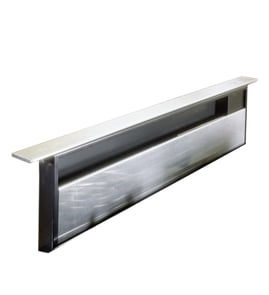



Do downdraft vents need to be vented outside?
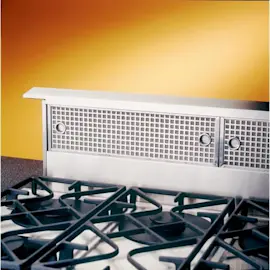
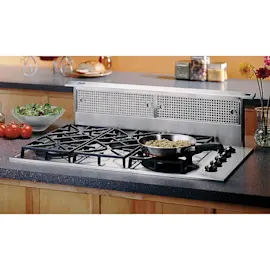
For the Whirlpool GZ7936XHS1 downdraft ventilation system, a ducted (duct-to-outside) setup is required; the installation instructions specify that ducted fans must always be vented to the outdoors. Use the venting and clearance requirements in the owner's manual to plan a safe, code-compliant duct run.
What “vented outside” means for this model
A vented-to-outside installation uses metal ductwork to carry cooking smoke, heat, and moisture out of the home.
- Run ductwork from the downdraft vent to an exterior wall or roof termination
- Use metal ductwork (recommended to reduce fire risk)
- Seal all duct joints to prevent air leaks
- Keep the duct run as short and straight as possible
- Avoid placing the unit where strong drafts (windows, doors, HVAC vents) can disrupt airflow
Ducting basics and common limits
The manual guidance for this style of retractable downdraft vent includes typical performance-oriented limits.
| Ducting factor | Practical target | Why it matters |
|---|---|---|
| Duct size | 10-inch round | Helps maintain airflow and capture |
| Max equivalent length | About 40 ft | Longer runs reduce performance |
| 90-degree elbows | No more than 3 | Each elbow adds restriction |
| Straight duct between elbows | At least 24 inches | Reduces turbulence and noise |
Why it matters
Downdraft systems rely on steady airflow to capture smoke and steam at the cooktop. Venting outdoors removes moisture and odors instead of redistributing them inside the kitchen, and it helps the blower operate within its intended load.
Quick safety and install reminders
- Follow local codes and ordinances; proper installation is the installer’s responsibility
- Provide proper electrical grounding and correct power supply connection
- Seal any wall or floor openings created for the duct run
- Confirm cabinet and countertop clearances before cutting
Last updated: February 2026
How much does downdraft ventilation cost?
A Whirlpool downdraft ventilation system like model GZ7936XHS1 typically costs about $900 to $2,000 for the vent unit itself; your total installed cost is usually higher because it depends on ductwork length, elbows, electrical work, and whether you need an exterior blower setup. See the owner's manual for installation requirements that affect cost.
What drives the total cost
Installation details often matter as much as the vent price. Common cost drivers include:
- Venting layout: The manual references a 10-inch round vent and a maximum vent length of 40 ft; longer or more complex runs increase labor and materials.
- Number of elbows: Best performance uses no more than three 90° elbows; extra elbows can require redesign.
- Electrical work: A grounded electrical supply is required; adding a circuit or conduit adds cost.
- Cabinet and countertop modifications: The vent is designed for a 24-inch-deep cabinet, and some installs need a deeper countertop.
- Exterior blower option: Some configurations require a separate exterior blower system; that adds equipment and wiring labor.
Typical cost ranges (what to budget)
These ranges help you plan; exact totals depend on your kitchen layout and local labor rates.
| Cost item | Typical range | Notes |
|---|---|---|
| Downdraft vent unit | $900 to $2,000 | Price varies by size, finish, and features |
| Ducting and fittings | $50 to $400+ | Longer runs and more elbows cost more |
| Electrical and wiring | $100 to $600+ | Grounding, conduit, and access affect labor |
| Cabinet/countertop modifications | $0 to $1,000+ | Cutouts, drawer changes, and trim work |
Features that affect price
When comparing downdraft vents, the most common feature is removable grease filter(s). Other features that can raise cost include higher airflow (CFM), multi-speed controls, and premium finishes.
Why it matters
Downdraft vents are sensitive to installation details. A shorter, straighter vent run (within the manual’s guidance) usually performs better, runs quieter, and avoids paying twice for rework.
Last updated: February 2026
Are downdraft hoods any good?
Yes; downdraft hoods like the Whirlpool GZ7936XHS1 are a good solution for everyday cooking odors and steam when an overhead hood is not practical (such as on an island cooktop). They work best when the vent is installed correctly, the filters are clean and fully seated, and the ducting layout is efficient.
What downdraft ventilation does well
- Captures steam and light cooking odors close to the cooktop surface
- Keeps sightlines open (no overhead canopy)
- Works well for simmering, boiling, and typical pan cooking
- Can be quieter than some overhead hoods, depending on blower speed and ducting
Where downdraft systems struggle
Downdraft ventilation is generally less effective for heavy smoke and high-heat cooking because heat and smoke naturally rise.
- Searing steaks or blackening
- Wok cooking and fast stir-frying
- Grilling on a griddle that produces a lot of smoke
- Tall stockpots that let steam rise above the intake
What matters most for performance on the GZ7936XHS1
The installation and filter position have a bigger impact than most people expect.
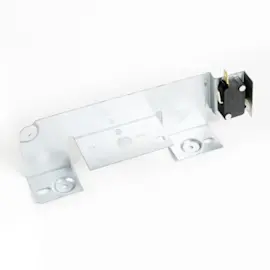
- Filter fit is critical: This model uses a safety microswitch behind the filter(s). If the filter is not pushed in fully, the vent may not operate. See the owner's manual.
- Keep filters clean: Wash filters frequently (dishwasher or hot detergent solution) to maintain airflow.
- Avoid drafts: Strong drafts from windows, doors, or HVAC vents can pull smoke away from the intake.
- Seal openings: Wall and floor openings around the duct path should be sealed.
- Plan cabinet depth: The vent is designed for a 24-inch-deep cabinet; some installs need a deeper countertop.
Quick comparison: downdraft vs overhead hood
| Feature | Downdraft vent (GZ7936XHS1 type) | Overhead hood |
|---|---|---|
| Best at | Everyday steam and light odors | Smoke, grease, high-heat cooking |
| Installation sensitivity | High (ducting, clearances, drafts) | Moderate |
| Works on island cooktops | Yes | Yes (but needs ceiling mounting) |
| Tall-pot capture | Lower | Higher |
Why it matters
Choosing the right ventilation affects indoor air quality, cabinet cleanliness, and how comfortable your kitchen feels during cooking. With a downdraft, correct clearances, sealed ducting, and properly seated filters are the difference between “works great” and “barely pulls anything.”
Last updated: February 2026