Installation guide
 Owner’s manual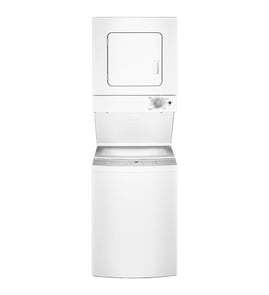




What is the capacity of a GE washer?
Washer capacity depends on the exact GE model. For the GE WSM2780HAWWW stacked laundry center, the manual focuses on loading by water level (low, medium, high) rather than listing a cubic-feet tub capacity; use the WSM2780HAWWW owner's manual for the most accurate model-specific guidance.
How to estimate the right load size on WSM2780HAWWW
This model is designed around selecting a water level based on how full the washer is.
- LOW: washer is less than 1/3 full of clothes
- MED: washer is between 1/3 and 2/3 full
- HIGH: washer is over 2/3 full
- Cold rinse is provided automatically with all cycles
- If you need to change cycles after starting, push the cycle selector in and wait for the washer to stop, then reset
Capacity vs. “how much can I wash?”
“Capacity” is often advertised in cubic feet on many modern standalone washers, but compact stacked laundry centers like the GE WSM2780HAWWW are commonly operated by load level and water level selection instead of a published tub volume.
| What you’re trying to decide | Best way to size it on WSM2780HAWWW | What to avoid |
|---|---|---|
| How full to load the tub | Use LOW, MED, HIGH guidance (1/3, 2/3, over 2/3) | Packing clothes tightly so water cannot circulate |
| How much to dry at once | Dry one washer load at a time | Combining loads or drying heavy items with lightweight items |
Why it matters
Correct load sizing helps the washer clean properly and helps the dryer dry evenly. Overloading can reduce agitation and rinsing; underloading the dryer can reduce tumbling efficiency and lead to longer dry times.
Last updated: February 2026
What are the dimensions of a GE dryer?
For the GE WSM2780HAWWW stacked laundry center, the dryer is built into the one-piece unit, so the most useful “dryer dimensions” are the overall laundry center dimensions. Use the exact measurements listed in the WSM2780HAWWW installation guide for your space planning.
How to get the right measurements (and avoid fit problems)
When you measure for a laundry center like the GE WSM2780HAWWW, we recommend checking more than just width and height.
- Measure the overall width, height, and depth of the unit
- Add clearance for door swing and lid access (washer lid must close for spin)
- Leave room for venting (metal duct to the outside is strongly recommended)
- Leave room for gas line shut-off valve access if your unit is gas
- Confirm electrical requirements (dedicated 120V, 60 Hz branch circuit with 15A protection)
Typical GE dryer size ranges (helpful for planning)
If you are comparing to a standalone GE dryer, most full-size residential dryers fall into these common ranges.
| Dryer type | Typical width | Typical height | Typical depth |
|---|---|---|---|
| Standard full-size dryer | ~27 in. | ~38 to 39 in. | ~30 to 32 in. |
| Compact dryer | ~24 in. | ~33 to 34 in. | ~24 to 27 in. |
| Stacked laundry center (overall unit) | ~27 in. | ~70 to 76 in. | ~30 to 32 in. |
Why it matters
Correct dimensions and clearances prevent installation delays and performance issues. Tight installs can kink the exhaust duct, restrict airflow, and increase drying times. The installation guide also helps you plan safe access to the gas shut-off valve and proper electrical supply.
Last updated: February 2026
What is the most common problem with a GE dryer?
The most common GE dryer problem is no heat or long dry times, and the root cause is usually restricted airflow (lint filter or venting). On the GE WSM2780HAWWW laundry center, the manual emphasizes proper exhaust ducting and routine lint control to prevent overheating and poor drying. See the WSM2780HAWWW owner's manual for the model’s troubleshooting “Problem Solver” checks.
Quick checks we recommend first (most fixes start here)
- Clean the lint filter before every load.
- Confirm the dryer door fully closes; the dryer will not run with the door open.
- Check house power: many electric dryers can tumble with one tripped breaker but not heat.
- Inspect the exhaust path for restrictions (crushed flex duct, clogged wall cap damper).
- Avoid overloading; dry one washer load at a time for best tumbling and airflow.
Common symptoms and what they usually point to
| Symptom | Most common cause | What to do next |
|---|---|---|
| Runs but doesn’t heat | Airflow restriction or power supply issue | Verify venting, then check breakers/fuses |
| Takes too long to dry | Restricted venting or overloading | Clean venting, reduce load size |
| Won’t start | Door not closed, controls not set, no power | Close door, set controls, check outlet/breaker |
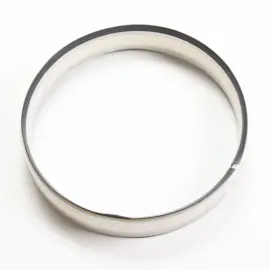
| Noisy operation | Worn drum support/glide surfaces | Inspect drum support parts such as the dryer drum front glide WE03X10007 |
Why airflow is the #1 issue on dryers
Restricted exhaust traps heat and moisture in the drum. That causes longer dry times and can also overheat internal components. The WSM2780HAWWW manual calls out using proper metal ducting and keeping the exhaust system from becoming kinked or restricted.
When a part is the likely fix
If airflow and power are good but performance is still poor, a failed component becomes more likely. On this model, common wear items include:
- Drum support surfaces (glides)
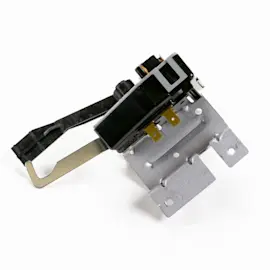
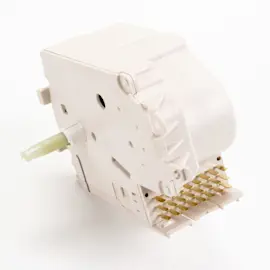
- Timer/controls (if cycles do not advance)
- Gas ignition/heating components on gas versions (igniter, burner parts)
For model-specific disassembly, venting requirements, and troubleshooting steps, use the WSM2780HAWWW installation guide.
Last updated: February 2026
How many years should a GE washing machine last?
A GE washing machine typically lasts 10 to 14 years with normal household use and basic care; the washer in your GE WSM2780HAWWW stacked laundry center falls in that same range. Consistent cleaning, correct loading, and addressing small issues early are what most often push lifespan toward the high end.
What affects washer lifespan the most
- Load size and balance: Overloading and repeated out-of-balance loads wear the drive system faster.
- Routine cleaning: Lint, detergent residue, and moisture buildup shorten component life.
- Water quality: Hard water increases mineral buildup and can accelerate wear.
- Ventilation and dryness: Keeping the area clean and dry helps prevent corrosion and electrical issues.
- Using the right cycles: Matching cycle and water temperature to fabrics reduces strain.
Maintenance checklist for the WSM2780HAWWW
Use your WSM2780HAWWW owner's manual for the model-specific care steps and safety guidance.
| Task | How often | Why it matters |
|---|---|---|
| Clean lint filter and surrounding area | Every load (dryer) | Improves airflow and reduces heat stress on the unit |
| Wipe cabinet, keep area clean and dry | Monthly | Helps prevent slips, corrosion, and lint buildup |
| Check hoses for bulges or leaks | Every 6 months | Prevents water damage and unexpected failures |
| Use proper load sizes | Every wash | Reduces wear on belt, bearings, and gear case |
Signs your washer is nearing end of life
- Loud squealing or burning-rubber smell during agitation or spin (often belt-related)
- Slow or weak spin, leaving clothes overly wet
- Repeated leaks around the tub area
- Timer or cycle problems that return after resets
- Frequent service needs that keep coming back
Common wear parts to watch
If the washer stops spinning or agitates poorly, a worn belt is a common cause on many GE laundry centers; the model-specific replacement part is the washer drive belt WH07X10009.
Why it matters
Knowing the typical 10 to 14 year lifespan helps you decide whether to maintain and repair (often cost-effective for a single failed part) or plan for replacement when multiple major components start failing.
Last updated: February 2026