Owner’s manual
 Error Codes


What size is LFX25991ST?
The LG LFX25991ST is a full-size, 36-inch class French door (bottom-mount) refrigerator. For exact exterior dimensions and clearance requirements for your specific configuration, use the specifications section in the owner's manual.
What “size” usually means for this model
When customers ask for the size of an LG French door refrigerator like model LFX25991ST, they typically mean one or more of these:
- Overall width (commonly a 36-inch class cabinet)
- Overall height (floor to top of case or hinge cover)
- Overall depth (case depth vs. depth with doors/handles)
- Capacity (cubic feet of fresh food plus freezer)
- Clearance needs (space for airflow and door swing)
How to measure your refrigerator correctly
Use a tape measure and record these three numbers; this prevents fit issues in tight kitchens.
- Measure width at the widest point (often the doors)
- Measure height from floor to the top (include hinge cover if present)
- Measure depth front-to-back (note whether you include handles)
- Add clearance for door opening and airflow behind and above
Quick reference: common measurement points
| Measurement | Where to measure | Why it matters |
|---|---|---|
| Width | Door-to-door at the front | Ensures it fits between cabinets |
| Height | Floor to top of hinge area | Prevents overhead cabinet interference |
| Depth | Back of cabinet to front of doors (and handles if applicable) | Confirms walkway and counter alignment |
| Door swing | From hinge side to fully open | Ensures drawers and bins can pull out |
Why it matters
A “36-inch” refrigerator class can still vary by fractions of an inch, and depth can change a lot depending on whether you measure the cabinet only or include doors and handles. Using the spec and clearance guidance in the owner's manual helps you avoid installation problems and poor cooling from restricted airflow.
Last updated: February 2026
Why does ice build up in the bottom of my LG refrigerator?
Ice building up under the bottom drawer in your LG LFX25991ST is almost always caused by defrost water not draining correctly. When the defrost drain clogs or freezes, water backs up, leaks into the bottom area, and refreezes into a sheet of ice.
What to check first (fast, no parts)
- Unplug the refrigerator before working around ice, fans, or wiring.
- Remove the freezer drawer and look for a solid ice layer on the freezer floor.
- Melt the ice with a hair dryer on low or let it thaw with towels in place.
- Find the drain opening under the evaporator cover area and flush it with hot water (a turkey baster works well).
- Clear the drain tube by gently pushing a flexible plastic tube or zip tie down the drain (do not use anything sharp).
Common causes and fixes
| What’s happening | What you’ll usually see | Typical fix |
|---|---|---|
| Drain hole clogged with debris/ice | Water under drawer, recurring ice sheet | Thaw and flush drain; clean drain opening |
| Drain tube frozen | Ice returns quickly after defrost | Fully thaw freezer; confirm drain flows to drain pan |
| Door not sealing well | Frost buildup plus ice on floor | Inspect/adjust door seal and closing |
| Defrost system issue | Heavy frost on back wall, poor cooling | Diagnose defrost components and airflow |
Parts that can be involved
If the drain keeps freezing, we focus on airflow and defrost performance because poor defrosting can leave ice where it should not be.
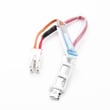
- Refrigerator defrost sensor assembly 6615JB2005R (helps the control manage defrost temperatures)
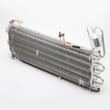
- Refrigerator evaporator ADL73341411 (ice around the evaporator area can contribute to drain freeze-ups)
- Refrigerator condenser coil ACG73645004 (dirty coils can reduce overall cooling efficiency and worsen frost patterns)
Why it matters
A blocked drain does more than make a mess. Repeated ice buildup can restrict airflow, cause temperature swings, and lead to water leaks that damage drawers, flooring, and nearby components.
Helpful reference
For freezer drawer removal, ice bin handling cautions, and troubleshooting guidance, follow the steps in the owner's manual.
Last updated: February 2026
What is the most common problem with the LG refrigerator?
For the LG LFX25991ST refrigerator, the most common issues customers run into are cooling performance problems (warm fridge or freezer), water and ice dispenser troubles, and moisture or condensation from frequent door openings. We use the troubleshooting steps in the owner's manual to pinpoint the cause before replacing parts.
Most common symptoms and what they usually point to
- Not cooling well or temperature swings: dirty condenser area, airflow blocked by food, door not sealing, or a failed cooling component
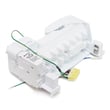
- Ice maker not making ice: restricted water supply, clogged filter, or an ice maker component issue
- Water dispenser slow or not dispensing: clogged filter, air in the water line, or a valve problem
- Condensation inside or on doors: hot/humid room conditions, frequent door openings, or door seal issues
- Odors: food spills, old items, or an overdue air filter change
Quick checks we recommend first (before buying parts)
- Confirm the doors close fully and nothing is holding them open.
- Set temperatures to typical targets: 37°F fresh food, 0°F freezer.
- Make sure vents inside the refrigerator are not blocked by containers or bags.
- If the room is hot or humid, expect more condensation; wipe it up and reduce door openings.
- If water or ice is weak, replace the filter and purge a few cups of water.
Parts that commonly solve these problems on this model
| Problem area | Common fix | Example part for LFX25991ST |
|---|---|---|
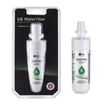
| Water taste/flow, ice production | Replace water filter | LG kenmore refrigerator water filter ADQ36006101 |
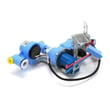
| Water dispenser or ice maker not filling | Diagnose/replace inlet valve | Refrigerator water inlet valve AJU72992603 |
| Warm temps, long run times | Clean condenser; inspect sealed system | Refrigerator condenser coil ACG73645004 |
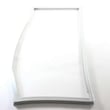
| Door not sealing, moisture | Replace door gasket | Refrigerator door gasket, left ADX72930460 or refrigerator door gasket, right ADX72930461 |
Why it matters
Cooling, ice, and water issues often start as simple airflow, door-seal, or filter problems. Fixing those early helps protect food, reduces energy use, and prevents strain on major components like the compressor.
For step-by-step filter instructions, use how to replace the water filter in an LG refrigerator.
Last updated: February 2026