Owner’s manual



Can you put a 36-inch range hood over a 30-inch stove?
Yes. You can install a 36-inch range hood over a 30-inch stove; the extra width typically improves smoke and grease capture because cooking plumes spread outward. For Kenmore Elite model 23355022000, focus on correct mounting height and proper ducting so performance stays strong.
Fit and installation basics
A wider hood is usually fine as long as it physically fits your cabinet or wall space and you can route ductwork correctly.
- Center the hood over the cooktop for best capture.
- Mount the hood so the top of the hood is 24 to 30 inches above the cooking surface (common spec for this style of hood).
- If you duct it, vent the fan to the outdoors and use metal ductwork.
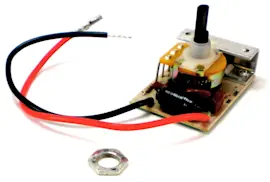
- Avoid adding any extra speed control device; use the hood’s built-in controls.
- Confirm clearances, cutouts, and wiring routing in the 23355022000 owner’s manual.
30-inch vs 36-inch hood: what changes
| Item | 30-inch hood over 30-inch stove | 36-inch hood over 30-inch stove |
|---|---|---|
| Capture area | Matches cooktop width | Wider capture, better edge coverage |
| Cabinet fit | Often easiest | Needs more side clearance |
| Duct alignment | Usually centered | Still best centered; may need offset planning |
| Visual look | Flush | More “pro-style” overhang |
Why it matters
Range hood performance depends more on capture area, mounting height, and ducting than on matching widths exactly. A 36-inch hood can reduce lingering odors and grease film, but only if it is installed at the right height and vented correctly.
Parts that commonly matter during a hood swap
If you are refreshing the hood while changing sizes, these parts are often replaced during maintenance:
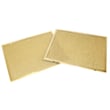
- Range hood 30-in hood grease filter, 2-pack 99010302 (for 30-inch configurations)
- Range hood grease filter, 2-pack S99010304 (for wider configurations)
- Check that the damper opens freely and the duct connection is secure (a sticking damper can hurt airflow).
Last updated: February 2026
How do I know what model range hood I have?
To identify your Kenmore Elite range hood model, find the rating label and match the model number on it to your paperwork. On model 23355022000, the label is typically on the top of the hood, on the underside, or behind the grease filters; confirm the format in the 23355022000 owner’s manual.
Where to look for the model number label
Check these common spots first (power off is best if you will remove filters):
- Top of the hood (often near the back edge)
- Underside of the hood near the light panel or controls
- Behind the grease filters (remove the filters and look on the inner frame)
- Inside the wiring compartment cover (if your hood has one)
- On the spec label near the duct connector or damper area
What to write down (so you get the right parts)
Record these items exactly as shown on the label:
- Model number (example: 23355022000)
- Brand (Kenmore Elite)
- Electrical rating (often 120 VAC for this style of hood)
- Any series or production codes
Quick checklist
| Item | Why it matters | Example |
|---|---|---|
| Model number | Ensures diagrams and parts match | 23355022000 |
| Part ID | Matches the correct replacement part page | SR111630 |
| Part number | Manufacturer number used for cross-reference | 99010302 |
Why it matters
Kenmore range hoods can look similar across sizes and trim packages. Using the exact model number helps us match the correct service parts list, wiring details, and fitment for items like a grease filter or light socket.
Common part lookups once you have the model number
If you are replacing maintenance items, these are common examples for this model page:
- Range hood 30-in hood grease filter, 2-pack 99010302 for reduced airflow from clogged filters
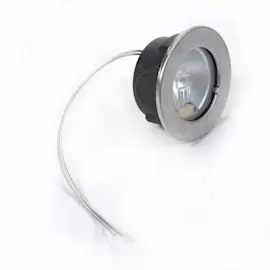
- Range hood light socket SR111630 if lights flicker or the socket is heat-damaged
Last updated: February 2026
How to clean Kenmore Elite range hood filters?
For Kenmore Elite range hood model 23355022000, we recommend cleaning the aluminum mesh grease filters about once a month (more often if you fry or use a wok). Wash with hot water and mild detergent, dry completely, then reinstall; always disconnect power before cleaning (see the 23355022000 owner’s manual).
Steps to clean the filters (ducted setups)
- Turn off the hood, then disconnect power at the breaker or unplug the hood.
- Remove the aluminum mesh grease filters by pulling down on the filter tabs and lifting them out.
- Wash filters in hot water with mild dish detergent (a soft brush helps with heavy grease).
- Rinse thoroughly.
- Dry fully before reinstalling to prevent moisture from reaching electrical parts.
- Reinstall filters securely so they sit flat and do not rattle.
If your hood is set up for non-ducted (recirculating) operation
Non-ducted hoods use additional non-ducted filters attached to the aluminum mesh filters.
- Wipe non-ducted filter surfaces with a damp cloth and mild detergent.
- Do not immerse non-ducted filters in water.
- Do not put non-ducted filters in the dishwasher.
Cleaning method comparison
| Filter type | Best cleaning method | What to avoid |
|---|---|---|
| Aluminum mesh grease filters | Hot water + mild detergent (dishwasher is typically OK for mesh) | Abrasive pads that can damage the mesh |
| Non-ducted filters (recirculating) | Damp cloth + mild detergent | Soaking or dishwasher cleaning |
Why it matters
Clean filters keep airflow strong, reduce cooking odors, and help prevent greasy buildup on the blower wheel and hood surfaces. Regular cleaning also helps the hood run quieter and more efficiently.
Parts that commonly get replaced
If your filters are bent, won’t come clean, or no longer fit tightly, replacement is often the fastest fix.
Last updated: February 2026
What are the parts of a range hood called?
A Kenmore Elite range hood like model 23355022000 is made up of the hood body (canopy), a venting path (ducted or non-ducted), a blower system, controls, lights, and filters that capture grease. These names match how parts are listed in the 23355022000 owner’s manual and on service parts diagrams.
Common range hood parts and what they do
Most range hoods use the same core components:
- Hood canopy (hood body): the main shell that mounts under a cabinet or on the wall
- Bottom panel and covers: close off the underside and provide access for service
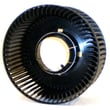
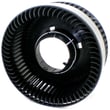
- Blower motor and blower wheel: pull smoke, heat, and odors into the hood
- Vent damper: helps prevent outside air from flowing back into the kitchen on ducted setups
- Control panel or touch pad: turns the fan and lights on and off, selects fan speed
- Light system: lamp sockets, lenses, and light panels that illuminate the cooktop
- Filters: grease filters (and charcoal style filters on some non-ducted installations)
Parts you will commonly replace on model 23355022000
These are frequent wear items and service parts for this Kenmore Elite hood:
- Grease filters such as the range hood 30-in hood grease filter, 2-pack 99010302
- Electrical items like the range hood light socket SR111630
- Airflow parts like the range hood vent damper SR740013
- User interface parts like the touch pad (off-white) SR169008
Quick “name to function” reference
| Part name (common term) | What it affects | Typical symptom when it fails |
|---|---|---|
| Grease filter | Grease capture, airflow | Grease buildup, reduced airflow |
| Vent damper | Backdraft prevention | Cold air drafts, damper rattling |
| Light socket | Cooktop lighting | Lights flicker or do not turn on |
| Touch pad/control | Fan and light operation | Buttons do not respond |
Why it matters
Using the correct part name helps you match the right diagram and order the right replacement. It also speeds up troubleshooting because “noisy fan” points to the blower area, while “draft coming in” points to the damper or duct connection.
Last updated: February 2026
What is the life expectancy of a range hood?
A Kenmore Elite range hood like model 23355022000 typically lasts 10 to 20 years; about 15 years is a solid expectation with normal home cooking. Regular cleaning (especially the grease filters) and avoiding grease buildup are the biggest factors in reaching the high end of that range.
What affects lifespan the most
- Grease and smoke load: frequent frying and high-heat cooking shortens life.
- Filter maintenance: clogged filters restrict airflow and make the blower work harder.
- Cleaning habits: grease buildup on the fan and filter increases wear and fire risk.
- Installation quality: proper venting and metal ductwork help performance and longevity.
- Electrical health: stable power and solid wiring connections reduce control and lighting issues.
Maintenance schedule we recommend
| Task | Typical frequency | Why it helps |
|---|---|---|
| Wash grease filters | Every 2 to 4 weeks | Keeps airflow strong and reduces strain on the motor |
| Wipe hood surfaces and underside | Weekly | Prevents grease from migrating into seams and controls |
| Inspect duct and damper for sticking | Every 6 months | Maintains proper exhaust and reduces backpressure |
| Check lights and sockets for heat damage | As needed | Prevents intermittent lighting and melted connectors |
Parts that commonly drive “end of life” decisions
These are the components that most often cause performance problems as the hood ages:
- Grease filters (replace when bent, torn, or permanently clogged), such as the range hood 30-in hood grease filter, 2-pack 99010302
- Light socket and wiring connections (heat and vibration can loosen or damage them), such as the range hood light socket SR111630
- Touch pad and controls (wear from use and grease exposure)
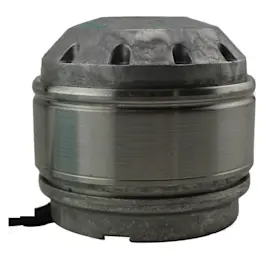
- Blower-related hardware (noise, vibration, reduced airflow)
Why it matters
A range hood that is kept clean moves air better, runs quieter, and helps reduce grease accumulation in the kitchen. The manual also emphasizes cleaning ventilating fans frequently and not allowing grease to accumulate on the fan or filter; that guidance directly supports longer service life. See the 23355022000 owner’s manual for model-specific care and safety details.
Last updated: February 2026