Installation guide
 Owner’s manual
 Error Codes


Where is the part number on a GE dryer?
On your GE GTDP301GL0WS gas dryer, the model and serial label (which you will use to match the correct replacement part number) is typically located on the dryer cabinet opening, most often just inside the door. Some versions also place an ID label on the back panel near the top.
What to look for on the label
The label usually includes several identifiers; the most useful ones for ordering parts are:
- Model number (example: GTDP301GL0WS)
- Serial number (helps confirm production details)
- Electrical rating (volts/amps)
- Gas type and rating (for gas dryers)
For the exact label location callout and any model-specific notes, check the GTDP301GL0WS installation guide.
Quick steps to find it fast
- Open the dryer door.
- Look along the door opening on the cabinet frame (top, sides, or lower edge).
- If you do not see it there, check the rear of the dryer near the top.
- Write the model number exactly as shown (letters and numbers).
Tip for ordering the right part
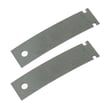
When you search parts for GTDP301GL0WS, match by model number first, then confirm the part by part ID and description. For example, if you are fixing a squeal or scrape at the front of the drum, common wear items include the dryer drum glide bearing (green) WE03X37317 and the dryer drum front glide pad WE03X37318.
Why it matters
GE often uses similar-looking parts across multiple dryer series. Using the label information prevents ordering a part that fits a different revision, especially for gas-heat components, drum support parts, and thermostats.
Common label locations (at a glance)
| Location | What it looks like | Most common use |
|---|---|---|
| Inside the door opening on the cabinet frame | White or silver sticker/plate | Model and serial identification |
| Back of the dryer near the top | Sticker/plate on rear panel | Secondary ID location |
Last updated: February 2026
What are the parts of the dryer?
A GE gas dryer like model GTDP301GL0WS is built around an airflow and heat system (blower, burner, ducting), a rotating drum system (drum, bearings, glides, motor), and safety controls (thermostats and sensors). These parts work together to tumble clothes while moving heated air through the drum and out the 4-inch exhaust.
Main dryer systems and what they do
- Airflow and venting: pulls in air, moves it through the drum, and exhausts moist air through a 4 in (102 mm) duct.
- Heat system (gas dryer): ignites gas to heat the airflow.
- Drum and support: the drum rotates and rides on glides and bearings.
- Drive system: motor and idler components keep the drum turning.
- Temperature and safety controls: thermostats help regulate heat and prevent overheating.
Common parts you may replace on GTDP301GL0WS
Here are examples of model-matched parts from this parts list:
| Dryer part | What it affects | Example symptom when failing |
|---|---|---|
| Dryer drive motor WE17X22217 | Drum rotation | Hums, won’t start, stops mid-cycle |
| Dryer blower wheel WE16X20393 | Air movement | Long dry times, weak airflow |
| Dryer burner igniter WE4M449 | Heat (gas ignition) | Tumbles but no heat |
| Dryer high-limit thermostat WE4M137 | Overheat protection | No heat or shuts off from overheating |
| Dryer drum glide bearing (green) WE03X37317 | Drum support | Squealing, scraping, rough drum movement |
Why it matters (performance and safety)
Dryer performance depends heavily on airflow. The installation guidance for this model calls for a 4-inch exhaust duct, recommends solid metal ducting, and notes that overly long duct runs increase drying time, energy cost, and lint buildup. Keeping the vent system clear also helps the thermostats and burner system operate normally.
Where to confirm your exact configuration
Use the installation guide for venting direction options (rear, side, bottom), duct recommendations, and inspection guidance. For component locations and service notes, use the owner's manual.
Last updated: February 2026
What's the life expectancy of a GE dryer?
A GE dryer like model GTDP301GL0WS typically lasts about 10 years with normal household use. Consistent airflow (clean lint screen and correct 4-inch venting), avoiding overloads, and fixing early symptoms like squealing or poor heat are the biggest factors in reaching that lifespan.
Typical lifespan and what affects it
Most residential gas dryers fall into a fairly consistent range.
| Usage pattern | Typical life expectancy | What usually shortens it |
|---|---|---|
| Light (few loads/week) | 10 to 13 years | Long, restricted venting; infrequent cleaning |
| Average (most households) | About 10 years | Overloading; running with worn drum supports |
| Heavy (daily loads) | 7 to 10 years | Heat stress from poor airflow; delayed repairs |
Maintenance that helps you hit the 10-year mark
We recommend these habits for GE gas dryers to reduce wear on the motor, drum supports, and heating system:
- Clean the lint screen before every load and wash it occasionally to remove residue.
- Keep the exhaust duct 4 inches in diameter and as short and straight as practical.
- Replace crushed, kinked, or non-UL-listed transition ducting.
- Do not overload; heavy loads strain the drive motor and drum bearings.
- Address new noises quickly (squeal, thump, scraping) before they damage the drum or front bearing.
Parts that commonly wear as the dryer ages
If your GTDP301GL0WS is getting noisy or the drum feels rough, these wear items are common fixes:
- Dryer drum glide bearing (green) WE03X37317
- Dryer drum front glide pad WE03X37318
- GE dryer drum bearing, front WE3M26
- Dryer blower wheel WE16X20393 (if you hear rattling or airflow is weak)
Why it matters
A dryer can run for years past its “average” life, but restricted venting and worn drum supports raise drying time, energy use, and heat stress. Good airflow and timely replacement of glides, pads, and bearings are the simplest ways to extend service life.
For model-specific care, venting, and safety details, follow the installation guide.
Last updated: February 2026
What is the most common problem with a GE dryer?
For a GE gas dryer like model GTDP301GL0WS, the most common problem we see is no heat or poor drying, and the most common root cause is restricted airflow from lint buildup or a crushed or improper vent. Airflow problems can also trigger overheating and shut the burner off.
Most common symptoms and what they usually mean
- Runs but doesn’t heat: burner ignition or safety heat controls are often involved.
- Takes too long to dry: vent restriction, lint blockage, or a damaged air duct seal.
- Stops mid-cycle: overheating from poor venting; high-limit safety may open.
- Loud squeal or scraping: worn drum glides or front bearing.
- Weak airflow at the outside vent hood: ducting issue (length, crush, lint, or improper material).
Quick checks we recommend first (fast, high-impact)
- Clean the lint screen and check the lint chute.
- Verify strong airflow at the outside vent while the dryer runs.
- Inspect the vent path for kinks, crushed sections, or heavy lint.
- Confirm the dryer is vented outdoors and uses 4-inch rigid metal duct (flexible plastic ducting is not recommended for safety and performance); see the installation guide.
Parts that commonly fix these GE dryer problems
If airflow is good and the problem persists, these model-relevant parts are frequent culprits:
| Problem you notice | Common part to check | Example part for GTDP301GL0WS |
|---|---|---|
| No heat or heat cuts out | High-limit thermostat | Dryer high-limit thermostat WE4M137 |
| No heat (ignition failure) | Burner igniter | Dryer burner igniter WE4M449 |
| No heat (burner never stays on) | Radiant sensor | Dryer radiant sensor WE4X448 |
| Long dry times, overheating | Blower wheel or ducting leaks | Dryer blower wheel WE16X20393 |
| Squealing, scraping, thumping | Drum support wear items | Dryer drum glide bearing (green) WE03X37317 and dryer drum front glide pad WE03X37318 |
Why it matters
A gas dryer depends on steady airflow to carry moisture out and keep burner temperatures stable. When venting is restricted, clothes dry slowly, the dryer can overheat, and heat-related safety parts (like thermostats) can shut the burner down.
Last updated: February 2026