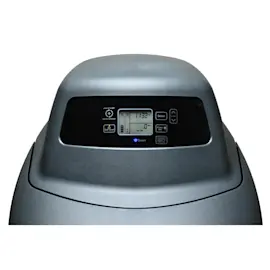
Owner’s manual
 Error Codes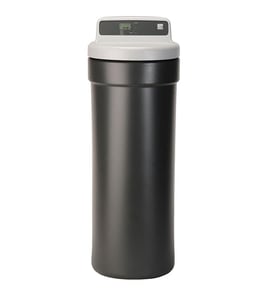






What is the life expectancy of a whirlpool water softener?
For the Whirlpool WHES33 water softener, Whirlpool does not publish a single fixed “life expectancy” in the product documentation; real-world service life varies widely with water hardness, iron, sediment, correct setup, and maintenance. We use the WHES33’s performance changes and repair history to judge when service or replacement makes sense (see the WHES33 installation and operation manual).
The WHES33 manual focuses on operating limits and maintenance, not a guaranteed lifespan. Key model-specific factors that affect longevity include:
- Maximum water pressure: 20 to 125 psi
- Water temperature limits: 40 to 120 °F
- Minimum supply flow rate: 3 gpm
- Water supply max hardness: 105 gpg
- Water supply max clear water iron: 9 ppm (clear water iron only)
Instead of a year range, we look for symptoms that indicate wear, fouling, or a setup issue:
- Hard water returns soon after regeneration
- Softener is not using salt or is not drawing brine
- Salty water at faucets after a recharge
- Frequent error codes or a blank/intermittent display
- Leaks at the valve, bypass, or drain connections
These parts are often involved when performance drops; the right fix depends on symptoms.
| Area | What it affects | When to consider service |
|---|---|---|
| Nozzle and venturi | Brine draw during regeneration | If it will not draw brine or stops using salt |
| Valve seals and O-rings | Internal sealing and proper cycling | If you get leaking, salty water, or poor softening |
| Electronic controls | Timing, motor control, diagnostics | If you see “Err”, no display, or erratic operation |
If troubleshooting points to internal valve sealing, a common repair is the kenmore water softener seal kit 7129716.
A softener can still “run” but lose efficiency; that can waste salt and water and allow scale buildup in plumbing and water heaters. Keeping the WHES33 within its operating limits and addressing symptoms early typically extends useful service.
Last updated: January 2026
How much does a whole house water softener system cost?
For a Whirlpool WHES33 whole-house water softener, the exact total cost is not something we can determine from the model’s specifications alone because pricing varies by retailer, local labor rates, and your plumbing setup. Plan for the softener itself plus installation materials and labor; use the WHES33 installation and operation manual to understand what your install may require.
Your final total usually changes based on these job-specific items:
- Plumbing modifications: adding or reworking a bypass, shutoffs, or adapting copper, PEX, or CPVC
- Drain access: routing the valve drain line to a suitable drain and maintaining the required air gap
- Electrical: a nearby 120V outlet for the included 24V DC power supply
- Water conditions: hardness level, iron, and sediment (may require prefiltration or additional treatment)
- Permits and code requirements: varies by location and can affect labor time
We recommend budgeting by category rather than relying on a single national price.
| Cost bucket | What it includes | Why it varies |
|---|---|---|
| Equipment | Water softener unit | Capacity, features, retailer pricing |
| Installation labor | Plumber time, setup, testing for leaks | Local rates, complexity, access |
| Materials | Pipe/fittings, valves, drain line parts | Pipe type, distance to drain, extras |
| Optional add-ons | Sediment filter, pressure reducing valve, expansion tank | Needed only in certain homes |
The WHES33 can use standard sodium chloride salt or potassium chloride (KCl), but KCl requires different settings and handling.
- Salt refills: ongoing cost depends on water use and hardness
- If using KCl: increase the hardness setting by 25% (per the manual)
- If using KCl: do not fill above level 4 on the brinewell scale (helps reduce bridging and performance issues)
- Maintenance cleaning: the manual recommends periodic cleanser use
A water softener is a system purchase; installation details like drain routing, bypass plumbing, and correct programming can change both upfront cost and long-term salt usage.
Last updated: January 2026
Are whirlpool water softeners any good?
Yes; Whirlpool water softeners are typically a good, practical choice when they’re sized, installed, and programmed correctly. For the Whirlpool WHES33 specifically, the manual confirms demand-initiated regeneration and published performance specs, so most “not good” experiences come from setup, salt issues, or a brine-draw problem rather than the design.
The WHES33 is a demand-controlled softener that regenerates based on water use. The WHES33 installation and operation manual also lists these key performance claims for this model:
- Rated service flow rate: 8.0 gpm
- Water supply max hardness: 105 gpg
- Water supply max clear water iron: 9 ppm (ferrous iron only)
- Pressure limits: 20 to 125 psi
- Water temperature limits: 40 to 120°F
| Setting type | WHES33 rating |
|---|---|
| Rated softening capacity | 13,000 grains @ 2.6 lb salt; 27,600 @ 8.3 lb; 33,000 @ 14.1 lb |
| Rated efficiency (minimum salt dose) | 4,950 grains per lb of salt @ 2.6 lb |
These are the most common causes we see across Whirlpool demand-controlled softeners:
- Hard water returns quickly: bypass left in bypass, hardness setting incorrect, or salt bridging
- Not using salt: brine draw issue, plugged nozzle/venturi, or salt not contacting water
- Regenerates at odd times: clock not reset after a power outage
- Leaks at connections: O-rings/clips not seated or plumbing stress on the valve
- Error code (Err): control sensing or valve drive issue that needs diagnostics
If you suspect brine draw trouble, a frequent fix is servicing or replacing the nozzle/venturi; use the exact compatible part water softener nozzle and venturi with gasket 7187772.
- Confirm bypass is in service (soft water)
- Test hardness and set the HARDNESS number correctly (add 5 gpg per 1 ppm ferrous iron)
- Use recommended salt: nugget, pellet, or coarse solar salt (low impurities)
- Break up any salt bridge; keep salt from crusting in humid areas
- Verify drain hose routing and required air gap; avoid kinks and excessive elevation
A softener can only deliver consistent soft water if the hardness setting, brine system, and drain setup are correct. On the WHES33, those basics directly control regeneration timing, salt use, and whether the resin bed recharges properly.
Last updated: January 2026