Owner’s manual
 Error Codes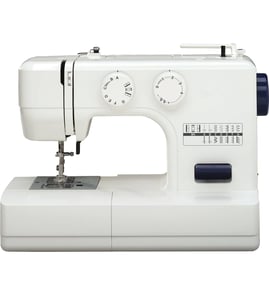

How can I find out how much my sewing machine is worth?
Your Kenmore sewing machine model 1581595280 is typically valued based on real-world selling prices for the same or very similar machines, plus its condition and completeness (attachments, foot control, case/cabinet). The fastest way to estimate value is to match the exact model and compare recent sold listings.
Step 1: Identify the machine correctly
Use the model number and the identification plate so you are comparing the right machine.
- Confirm the model number on the nomenclature plate (typically on the back of the machine)
- Note whether you have the foot control and power cord
- List included accessories (bobbins, needle threader, buttonholer, etc.)
- Record any issues (won’t turn on, locks up, sluggish motor, noisy/knocking)
For model-specific identification details and accessory references, use the 1581595280 owner's manual.
Step 2: Check the factors that change value the most
These items usually move the price more than age alone:
- Working status: stitches consistently, motor runs smoothly, needle moves, fabric feeds
- Cosmetic condition: clean finish, no cracks, intact knobs and covers
- Completeness: original presser feet, bobbins, extension table, accessory box, manual
- Service history: recently cleaned and oiled (or clearly maintained)
- Demand: some vintage Kenmore mechanical machines are more desirable for heavy fabrics
Quick value guide (typical ranges)
These ranges help you sanity-check what you see in local listings and sold results.
| Condition of the machine | What buyers expect | Typical value range |
|---|---|---|
| Not running / parts only | Missing foot control, seized, or electrical issue | $10 to $40 |
| Runs but needs tuning | Skips stitches, tension issues, sluggish | $40 to $120 |
| Fully working, clean | Sews well, includes key accessories | $100 to $250 |
| Excellent with extras | Cabinet/case, many attachments, very clean | $200 to $400 |
How to get the most accurate number
Use a simple, repeatable approach:
- Search using Kenmore 1581595280 (not just “Kenmore sewing machine”)
- Filter results to sold/completed items (active listings can be overpriced)
- Compare only listings with similar accessories and condition
- If yours has a symptom (fabric not moving, locks up, motor won’t run), estimate value using the “needs tuning” or “parts only” rows
If you’re troubleshooting before selling, our DIY symptom guides can help you describe the condition accurately; start with sewing machine locks up or sewing machine motor won't run if those match what you’re seeing.
Why it matters
Accurate identification and condition notes prevent underpricing a complete, working machine and also keep you from overvaluing a unit that needs a motor, belt, or timing adjustment.
Last updated: February 2026
How can I tell what year my sewing machine was made?
For a Kenmore sewing machine like model 1581595280, the most reliable way to estimate the build year is to record the model number and serial number from the machine’s identification plate, then compare that information to the identification details and parts documentation in the 1581595280 owner's manual.
Where to find the numbers you need
On most Kenmore mechanical sewing machines, you will use two identifiers:
- Model number: used to match the correct manual and parts information (your model is 1581595280).
- Serial number: a unique production code used to narrow down manufacturing time.
- Nomenclature (ID) plate: the label that shows the model number and typically the serial number.
The manual for this family of Kenmore machines notes the model number is shown on the nomenclature plate on the back of the sewing machine. Use that same plate to capture the serial number if it is listed there. (See the 1581595280 owner's manual.)
Step-by-step: how we recommend dating it
- Unplug the machine and turn it so you can see the back clearly.
- Write down the model number and serial number exactly as printed.
- Check the manual and parts documentation for your model to confirm you are matching the correct machine family.
- If your machine has a cabinet or case, check for any additional labels inside the case or underside of the bed.
What the manual can and cannot tell you
The owner’s manual often includes a publication/printing date (which helps you estimate the era), but that date is not always the exact manufacturing year of your specific unit.
| What you find | What it tells you | How to use it |
|---|---|---|
| Serial number | Best clue to production timing | Use it to narrow the manufacturing period |
| Manual printing date | Approximate era of the machine family | Use it as a “no earlier than” reference |
| Model number | Confirms the correct documentation | Use it to match parts and features |
Why it matters
Knowing the approximate year helps us match compatible accessories and repair parts, and it also helps when troubleshooting issues like a motor that will not run, a machine that locks up, or fabric not moving.
Related DIY help
Last updated: February 2026
Is it worth repairing an old sewing machine?
Yes, repairing an older Kenmore sewing machine like model 1581595280 is usually worth it when the machine is mechanically sound, you can still get the needed parts, and the repair restores reliable stitching for less than replacing the machine.
When repair is the smart choice
We typically recommend repair when you have one or more of these situations:
- The machine still turns by hand and the needle bar moves (no hard lock-up)
- Problems look maintenance-related (lint buildup, dry lubrication, tension issues)
- You mainly need setup or wear items addressed (belt, motor, switch, light)
- You want the durability and stitch quality older mechanical machines are known for
- You have the correct model information for ordering parts (the manual notes the model number is on the nomenclature plate on the back of the machine)
For model-specific setup, lubrication, and troubleshooting sections, use the 1581595280 owner's manual.
When replacement makes more sense
Repair is usually not the best value when:
- The machine has severe internal damage (bent shafts, cracked castings, stripped gears)
- Multiple electrical components are failing at once (motor plus foot control plus wiring)
- Timing is badly off and the machine has heavy wear in the hook and needle bar area
- You cannot get the specific parts you need at a reasonable cost
Quick cost vs. benefit checklist
Use this simple comparison to decide:
| What you need to fix | Typical effort | Usually worth it? |
|---|---|---|
| Cleaning, oiling, tension adjustment | Low | Yes |
| Drive belt replacement | Medium | Yes |
| Motor or on/off switch replacement | Medium | Often |
| Major mechanical damage or heavy wear | High | Sometimes not |
Why it matters
A well-maintained mechanical Kenmore can sew consistently for years, especially when you keep the bobbin case and feed dog area clean and follow the oiling guidance in the manual. That maintenance often solves “old machine” complaints like sluggish running, fabric not feeding, or stitch problems.
Helpful DIY troubleshooting topics
If your decision depends on a specific symptom, these guides help you estimate repair complexity:
Last updated: February 2026
Who made Kenmore 1581595280 sewing machines?
Kenmore sewing machines like model 1581595280 were sold under the Kenmore name by Sears and were produced by an outside contract manufacturer. The most reliable way to identify the maker for your exact machine is to use the identification information shown on the machine and in the 1581595280 owner's manual.
How to identify the maker for your exact unit
Use the machine’s identification plate and the manual’s “machine identification” section to document what you have.
- Locate the nomenclature/identification plate on the back of the machine
- Record the full model number: 1581595280
- Write down any additional codes, serial number, or stamped markings on the plate
- Compare your machine’s configuration (flat-bed vs. free-arm, extension table, buttonholer/accessories) to the manual’s descriptions
- Keep the recorded information with your manual for future parts and service needs
What we can confirm from the manual (and what it’s used for)
The manual supports identifying and servicing the machine, even if it does not name the contract manufacturer.
| What to look up | Where you’ll use it | Why it helps |
|---|---|---|
| Model number (1581595280) | Parts lookup and service records | Prevents ordering mismatched items |
| ID plate location | Back of the machine | Confirms the exact unit you own |
| Power setup (foot control, switch) | Electrical and “won’t run” issues | Avoids misdiagnosing a power problem |
| Oiling and cleaning points | Routine maintenance | Reduces binding, noise, and wear |
Why it matters
Kenmore-branded sewing machines were built by multiple manufacturers over the years, so the maker is best confirmed from the machine’s own identification markings. That same information is also what you need to match accessories and maintenance procedures correctly.
Related help if you’re asking because of a problem
If the machine is acting up, these guides often address the root cause faster than tracking the original maker:
Last updated: February 2026