Owner’s manual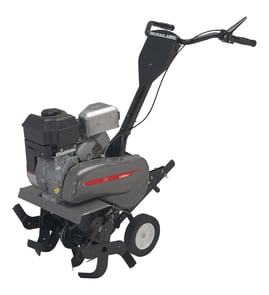




Where is the model number on a tiller?
On the Craftsman tiller model 917295451, the model number is on the model plate attached to the right-hand engine bracket. This plate typically lists both the model number and the serial number, which you should record for parts lookup and service.
Where to look on your tiller
Check these common spots first (starting with the most accurate location for this model):
- Right-hand engine bracket (look for a metal or durable label plate)
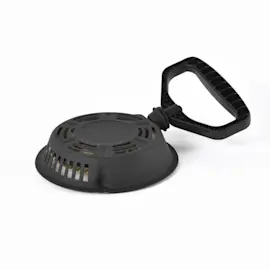
- Near the engine mounting area, beside the recoil starter side
- On or near the tine shield area if the plate has been relocated or replaced
- On the frame rail close to the engine, if the bracket has been swapped
Tiller model number vs. engine model number
This matters because the tiller and the engine can have different IDs.
| What you are identifying | Where it’s found | Example for this unit |
|---|---|---|
| Tiller model number | Model plate on right-hand engine bracket | 917295451 |
| Engine model number | On the engine blower housing | Briggs & Stratton 133202 (Type 0156-01) |
Tips if the label is dirty or hard to read
- Wipe the plate with a damp rag and mild detergent; avoid harsh solvents
- Use a flashlight at an angle to make stamped or faded text easier to see
- Take a close-up photo and zoom in to read the numbers
- Write down both the model and serial number before ordering parts
Why it matters
Using the correct model number helps us match the right Craftsman tiller parts (like belts, tines, and hardware) to your exact configuration and production run. For diagrams and identification details, use the 917295451 owner’s manual.
Last updated: January 2026
What kind of engine is on a Craftsman tiller?
The Craftsman tiller model 917295451 uses a Briggs & Stratton gas engine; the parts listing in the manual identifies it as Briggs & Stratton engine model 133202, type 0156-01, rated at 5.0 HP with 8.03 cu. in. displacement. For exact tune-up specs, use the 917295451 owner's manual.
Engine details for Craftsman 917295451
Here are the key identifiers and basic specs we use for parts matching and service:
- Engine brand: Briggs & Stratton
- Engine model: 133202
- Type number: 0156-01
- Horsepower: 5.0 HP
- Displacement: 8.03 cu. in.
Tune-up and maintenance specs (common needs)
These specs help when you are buying routine maintenance items like spark plugs, oil, and fuel:
- Gasoline capacity: 3 quarts (unleaded regular)
- Oil type: SAE 30 above 32°F; SAE 5W-30 below 32°F
- Oil capacity: 20 oz.
- Spark plug: Champion RJ19LM (gap .030")
| Item | Spec for 917295451 | Why you care |
|---|---|---|
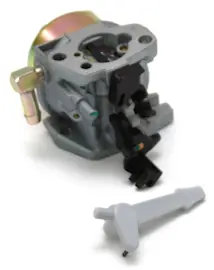
| Engine ID | 133202 (type 0156-01) | Ensures correct carburetor, governor, and gasket parts |
| Spark plug | Champion RJ19LM, .030" gap | Helps prevent hard starting and misfiring |
| Oil | SAE 30 or 5W-30 | Protects the engine under the right temperature range |
Why it matters
Craftsman tillers can look similar across years, but the engine model and type number determine the correct engine parts and tune-up specifications. Using the wrong spec (especially spark plug gap or oil viscosity) can cause starting problems, poor performance, or faster wear.
Last updated: January 2026
What kind of oil do you use in a Craftsman tiller?
For the Craftsman 917295451 front-tine tiller, we use SAE 30 motor oil (or equivalent) for normal operation; the manual also allows multi-viscosity oils like 5W-30 or 10W-30 for easier cold starts. Use an oil that meets API service classification SF or SG; see the Craftsman 917295451 owner's manual for the temperature chart and fill procedure.
Recommended oil by temperature
Use the oil grade that matches the outdoor temperature you expect before the next oil change.
- Above 32°F (0°C): SAE 30 is the standard choice
- Cold weather starting: 5W-30 or 10W-30 can help starting
- Important: Multi-viscosity oils can increase oil consumption above 32°F (0°C), so check the oil level more often
| Outdoor temperature | Oil type to use | What to watch for |
|---|---|---|
| Above 32°F (0°C) | SAE 30 | Best all-around for warm weather use |
| At or below 32°F (0°C) | 5W-30 or 10W-30 | Easier starting; monitor oil level closely |
Oil change and oil level basics
The manual’s maintenance schedule is straightforward.
- Check crankcase oil before starting the engine
- Recheck oil after each 5 hours of continuous use
- Change oil after the first 2 hours of operation
- Then change oil every 25 hours (or at least once per year)
- Tighten the oil filler plug securely after checking or adding oil
Why it matters
Correct engine oil viscosity and API rating protect the engine from wear, reduce overheating, and help the tiller start reliably. Using the right oil and changing it on schedule is one of the best ways to extend the life of a Craftsman tiller engine.
Last updated: January 2026
Are Craftsman tillers any good?
Yes. Craftsman tillers are a solid choice for most homeowners because they are designed for dependable performance when they are maintained and used correctly. For the Craftsman 917295451 tiller specifically, the owner's manual emphasizes safe operation and routine checks that directly impact durability and day-to-day results.
What “good” means for a tiller
A tiller is “good” when it starts reliably, pulls through soil without excessive bouncing, and holds adjustments without frequent breakage. The 917295451 is built as a homeowner-grade machine; it performs best when you avoid overloading it and keep fasteners and wear items in shape.
Common strengths owners value
- Strong soil-working performance when you set a reasonable tilling depth
- Simple mechanical design that is serviceable with basic tools
- Good results in gardens and previously worked soil
- Parts support for common wear items like belts, tines, and hardware
Common complaints we see across many tillers (not model-specific)
- Faster wear when tilling too deep or too fast
- Belt slip or loss of drive when belts glaze or stretch
- Handle vibration or flex if hardware loosens
- Tines and pins wearing quickly in rocky soil
Maintenance and use habits that make a big difference
The manual calls out frequent checks of shear pins and mounting bolts, and it warns against overloading the machine by trying to till too deep at too fast a rate.
- Re-tighten critical bolts and hardware regularly
- Till in shallow passes instead of one deep pass
- Slow down in hard or rocky ground to reduce shock loads
- Keep guards in place and keep bystanders away
- Let the machine pull itself; if tines catch and the unit surges, release the handlebars
Quick “good fit” checklist
| If you need this… | Craftsman tillers are usually a good fit when… |
|---|---|
| Home garden prep | You till a few times per season and maintain it |
| Heavy, rocky soil | You work in shallow passes and expect faster wear |
| Low upkeep | You are willing to do basic belt and hardware checks |
Why it matters
Most “bad tiller” experiences come from overload, loose fasteners, or worn drive components. Keeping up with routine checks and replacing wear parts on time is what turns a decent tiller into a long-lasting one.
Last updated: January 2026