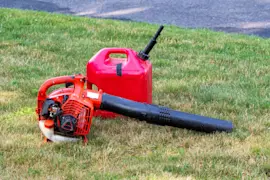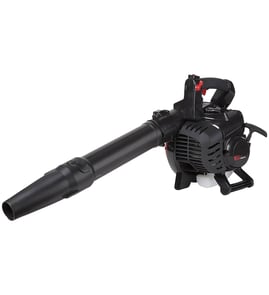



Are gas leaf blowers being phased out?
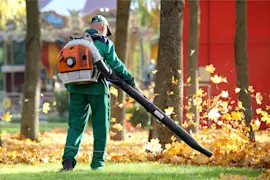
Yes. Gas leaf blowers are being phased out in many areas through local noise and air-quality rules, and some places restrict sales or use dates. Your Homelite UT-08009 can still be maintained and repaired where it is allowed, but it is smart to check your city or HOA rules before using it.
What “phased out” usually means
Most phase-outs happen in one of these ways:
- Use restrictions: limited hours, days, or seasons for gas blower use
- Noise limits: enforcement based on decibel ratings or nuisance complaints
- Commercial vs. residential rules: contractors may face earlier deadlines
- Sales restrictions: bans on new equipment sales (existing units may still be used)
- Enforcement ramp-up: warnings first, then fines later
How this affects maintaining a Homelite UT-08009
Even with restrictions, keeping your UT-08009 running cleanly helps reduce smoke, odor, and excessive noise.
- Replace a leaking exhaust seal with a muffler gasket 00394
- If the exhaust is damaged or rattling, inspect the muffler body 04710
- Keep the intake clean; a clogged air filter can make the engine run rich and smoky (see filter 49422 or filter PS98913)
- Make sure covers are secure; a loose air filter cover 98761 can let dirt in and shorten engine life
Quick symptom-to-fix guide
| Symptom | Common cause | What to check first |
|---|---|---|
| Loud, sharp exhaust note | Exhaust leak | Muffler gasket and muffler mounting hardware |
| Smoke, fuel smell, poor power | Rich running or restricted airflow | Air filter condition and air filter cover fit |
| Rattling at muffler | Loose or damaged muffler | Muffler body and fasteners |
Why it matters
Phase-outs are usually driven by noise and emissions concerns. A well-maintained 2-cycle blower typically runs cleaner and steadier, which reduces complaints and helps you get the best performance from your Homelite power blower.
Last updated: February 2026
Which brand of gas leaf blower is best?
The “best” gas leaf blower brand depends on how you’ll use it: for daily pro cleanup, brands known for durable engines and strong airflow are the top pick; for occasional yard work, a reliable homeowner brand (like Homelite) is often the best value. Match the brand to the job, then choose by CFM, MPH, weight, and serviceability.
How to choose the best brand for your needs
When you compare brands, focus on the factors that change how the blower feels and performs in real use.
- Use case: occasional residential cleanup vs. frequent heavy-duty work
- Style: handheld vs. backpack (backpacks reduce arm fatigue for long sessions)
- Airflow (CFM): higher CFM moves more leaves and debris volume
- Air speed (MPH): higher MPH helps lift wet leaves and stubborn debris
- Weight and balance: lighter is easier to control; better balance reduces fatigue
- Vibration and noise: lower vibration helps comfort; noise matters for neighborhoods
- Parts availability: easier maintenance when common wear parts are easy to get
Where Homelite UT-08009 fits in
Your Homelite UT-08009 is a solid choice for typical homeowner yard cleanup when it’s maintained well. If you already own this model, the “best” brand for you is often the one you can keep running reliably with routine service and the right replacement parts.
Common maintenance-related parts you may replace over time include:
- Filter 49422 (helps protect the engine from dirt ingestion)
- Air filter cover 98761 (keeps the filter sealed and properly positioned)
- Muffler gasket 00394 (helps prevent exhaust leaks at the muffler joint)
Quick comparison: what “best” means by user type
| User type | What matters most | Brand traits to prioritize |
|---|---|---|
| Homeowner (light to moderate) | Easy starting, manageable weight | Simple maintenance, good parts support |
| Large property owner | Higher CFM, comfort | Strong airflow, good harness options |
| Pro or daily heavy use | Durability, uptime | Proven engine life, fast serviceability |
Why it matters
A brand name alone does not guarantee the right blower. The right match reduces fatigue, improves cleanup time, and lowers long-term cost because you’ll do less struggling with power, weight, and maintenance.
Last updated: February 2026
What's the problem with gas leaf blowers?
Gas leaf blowers like the Homelite UT-08009 are powerful, but the common downsides are high noise, exhaust emissions, and more frequent maintenance (fuel system, air filtration, and muffler components). Those issues can affect comfort, neighborhood use, and long-term reliability.
Common issues people notice
- Noise: 2-cycle engines run loud at high RPM; hearing protection is typically needed.
- Exhaust and odor: unburned fuel and oil in the exhaust can be noticeable, especially at idle.
- Hard starting: stale fuel, clogged air filter, or a restricted muffler can make starting difficult.
- More upkeep: fuel mix quality, filter cleaning, and fastener checks matter more than on electric units.
- Vibration and fatigue: longer run times can be tiring compared with battery models.
What you can do to reduce the downsides
- Use fresh, properly mixed fuel and avoid storing fuel in the tank for long periods.
- Keep the intake clean; a dirty air filter can cause rich running, smoke, and poor power.
- Inspect the muffler area for leaks or restriction; replace sealing parts if you see soot trails.
- Tighten loose hardware to reduce rattles and vibration.
- Wear hearing and eye protection, and avoid running early or late when noise carries.
Parts that often help when performance drops
If your UT-08009 is louder than normal, smells strongly of exhaust, or loses power, these model-matched parts are common fixes:
| Symptom | What to check | Example part on this model page |
|---|---|---|
| Exhaust leak, louder tone | Muffler sealing surfaces | Muffler gasket 00394 |
| Restricted airflow, rich running | Air filter condition | Filter 49422 |
| Filter won’t stay sealed | Cover fit and latch | Air filter cover 98761 |
Why it matters
Noise and emissions are the main tradeoffs of gas power blowers; maintenance items like the air filter and muffler sealing directly affect how cleanly the engine runs, how loud it sounds, and how long it lasts.
Last updated: February 2026
What is the life expectancy of a gas leaf blower?
A gas leaf blower typically lasts about 8 to 10 years with normal homeowner use and routine maintenance. For your Homelite UT-08009 power blower, keeping the air intake sealed and the exhaust system tight helps prevent overheating and premature engine wear.
Typical lifespan by use and care
- Light seasonal use + good maintenance: 10 years
- Regular weekly use: 6 to 8 years
- Heavy use, dusty conditions, or poor fuel storage: 3 to 6 years
What shortens the life of a gas leaf blower
Gas blowers usually wear out faster than electric models because the engine depends on clean airflow, correct fuel mix, and a sealed exhaust.
Common life-shorteners include:
- Running with a dirty or missing air filter
- Old fuel or incorrect 2-cycle mix (causes hard starting and scoring)
- Overheating from clogged cooling fins or blocked intake
- Exhaust leaks that lean out the mixture and raise engine temps
- Loose fasteners that let vibration damage housings and mounts
Maintenance that adds years (practical checklist)
- Clean or replace the air filter regularly; use the correct filter 49422
- Keep the filter area sealed; replace a cracked air filter cover 98761
- Inspect the muffler area for leaks; replace the muffler gasket 00394 if you see soot or hear a sharp exhaust “tick”
- Tighten missing or stripped hardware such as the screw 82528
- Empty fuel for storage, then run the engine dry before long off-seasons
Quick “replace or repair?” guide
| Symptom | Most likely cause | Usually worth repairing? |
|---|---|---|
| Starts, then dies at throttle | Air/fuel restriction | Yes |
| Runs hot, smells “burnt” | Cooling or exhaust leak | Yes |
| Low power even after tune-up | Engine wear | Depends |
| Won’t start after repeated checks | Ignition or compression issue | Depends |
Why it matters
A leaf blower that runs lean, overheats, or ingests dirt can lose compression quickly. Simple items like a filter, cover, or muffler gasket often prevent the engine damage that ends the blower’s service life.
Last updated: February 2026