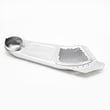
Owner’s manual



What is the most common problem with LG dryers?
The most common problem we see with LG dryers like model DLEX3900W is poor drying performance: the dryer runs but clothes take too long to dry or do not dry because airflow is restricted (lint buildup, crushed duct, long vent run) or a heat-related component is failing. See the troubleshooting and venting guidance in the DLEX3900W owner's manual.
What to check first (fast, high-impact)
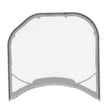
- Clean the lint filter before every load; heavy-lint loads may need a mid-cycle cleaning.
- Inspect the vent path for lint buildup or a blocked hood.
- Make sure the transition duct is not crushed behind the dryer.
- Reduce long vent runs and extra elbows where possible.
- Avoid overloading; large loads dry slower and restrict tumbling.
- If it is a gas model, confirm both gas shutoff valves are fully open.
Common symptoms and the most likely causes
| Symptom | Most common cause | What usually fixes it |
|---|---|---|
| Runs but no heat | Power supply issue (electric) or gas shutoff closed (gas) | Reset breaker, correct cord/terminal block wiring, open gas valves |
| Long dry times | Restricted or blocked airflow | Clean lint filter, duct, and exterior hood; shorten venting |
| Stops too soon on sensor cycles | Load too small or moisture sensing issue | Add items, use Time Dry, clean moisture sensor bars |
| Error codes like tE1/tE2 or HS | Sensor-related failure | Follow the error-code steps in the manual; service may be needed |
Parts that commonly relate to these problems on DLEX3900W
Airflow problems come first, but if airflow is good and drying is still poor, these parts are often involved:
- Dryer thermistor AGM30045804 (temperature sensing)
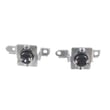
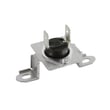
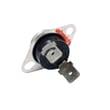
- Dryer high-limit thermostat 6931EL3003D (overheat protection)
- Dryer moisture sensor 6500EL3001A (sensor dry performance)
Why it matters
Restricted venting and lint buildup can cause overheating, repeated shutdowns, and consistently long dry times. Keeping airflow clear protects the heater system, improves efficiency, and helps cycles finish normally.
Last updated: February 2026
What is the life of an LG dryer?
An LG dryer like model DLEX3900W typically lasts 10 to 15 years with normal home use. Keeping airflow strong (clean lint filter, clear venting) and fixing wear items early helps the dryer heat correctly and reduces strain on the motor and drum system.
What affects dryer lifespan the most
- Airflow and venting: restricted vents cause longer dry times and higher heat stress
- Lint control: cleaning the lint screen every load prevents overheating and poor drying
- Load habits: overloading strains the drum, belt, rollers, and idler pulley
- Heat management: repeated overheating can shorten the life of thermostats and sensors
- Routine maintenance: catching squeaks, thumps, or burning smells early prevents bigger failures
Common wear parts that can shorten life if ignored
If the dryer runs but gets noisy, stops tumbling, or takes longer to dry, these are common culprits on many LG dryers:
| Symptom | Common wear area | Example part for DLEX3900W |
|---|---|---|
| Drum not turning, squealing | Belt or idler pulley | LG dryer drum belt 4400EL2001F |
| Thumping or rumbling | Drum support rollers | Dryer drum support roller assembly (model-specific) |
| Long dry times, overheating | Venting, thermostats, lint buildup | Dryer high-limit thermostat (model-specific) |
Maintenance checklist (best ROI)
- Clean the lint screen before every load; wash and dry it occasionally to remove residue
- Inspect and clean the exhaust duct periodically; keep the run short and free of kinks
- Avoid overloading; dry similar fabrics together for better sensor performance
- If dry times increase, stop using the dryer until airflow is corrected
- Use the cycle and options recommended for the fabric type (sensor cycles help prevent overdrying)
Why it matters
Most “dryer died early” situations trace back to restricted airflow or ignored mechanical wear. Good venting and timely replacement of wear parts help your DLEX3900W maintain safe temperatures, consistent drying, and a longer service life.
For model-specific operating and care guidance, follow the DLEX3900W owner's manual.
Last updated: February 2026
How to replace a lint screen housing in an LG dryer?
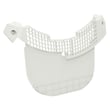
On the LG DLEX3900W dryer, replacing the lint screen housing is a quick swap once you have the correct housing; you remove the old housing, snap the new one into position, then reinstall the lint filter and press it down until it clicks firmly in place. See the DLEX3900W owner's manual for lint filter fit and operation details.
Before you start
- Unplug the dryer (or switch off the breaker) before opening panels.
- Let the dryer cool completely if it was recently running.
- Have a vacuum ready; lint often falls into the filter duct area.
- Confirm you are replacing the correct part: LG dryer lint screen housing MCK49049101.
Replacement steps (typical for this LG dryer design)
- Open the dryer door and pull the lint filter straight up and out.
- Remove the lint screen housing/cover assembly from the top of the lint filter opening (release the retaining tabs or fasteners, depending on how your housing is secured).
- Clean lint from the housing area and the top of the lint duct.
- Align the new housing with the opening; press evenly until it snaps fully into place.
- Reinstall the lint filter; press down until it clicks firmly into place.
- Run a short timed dry cycle and confirm the filter stays seated and airflow feels strong at the outside vent.
Quick checks after installation
- The lint filter sits flush and does not rock or lift.
- The filter “clicks” into place when pressed down.
- No air leaks around the housing while running.
- Drying time stays normal (restricted airflow increases dry time).
What to inspect if the housing will not stay seated
| Symptom | Most common cause | What we recommend |
|---|---|---|
| Housing pops up | Tabs not fully engaged | Re-seat and press evenly on both sides |
| Filter feels loose | Lint buildup or warped guide | Clean the opening; inspect guides for damage |
| Long dry times after repair | Vent restriction | Check duct for crushing, elbows, and lint buildup |
Why it matters
A properly seated lint filter and housing helps maintain strong airflow, which improves drying performance and helps prevent overheating conditions caused by restricted exhaust.
Last updated: February 2026
What are the parts of the dryer?
For the LG DLEX3900W dryer, the main parts include the drum and drive system, heating and airflow components, controls/sensors, and door and lint-handling parts. Our DLEX3900W owner's manual shows the product overview and parts layout so you can match names to what you see on your dryer.
Main dryer parts (what they do)
- Drum and support: tumbles clothes; rides on rollers and seals to keep airflow controlled.
- Drive system: motor turns the drum using a belt and idler pulley.
- Airflow system: blower wheel moves air through the drum and out the vent.
- Heating system: heater assembly (electric models) or burner system (gas models) warms the air.
- Safety thermostats: high-limit and blower thermostats help prevent overheating.
- Sensors and controls: thermistor and moisture sensor help regulate temperature and cycle dryness.
- Lint handling and door parts: lint screen housing/guide, door switch, and door assembly support safe operation.
Common DLEX3900W parts you may replace
These are frequently involved in noise, no-heat, or no-tumble symptoms:
- LG dryer drum belt 4400EL2001F (drum won’t tumble, squeal, belt break)
- Dryer drum support roller assembly 4581EL2002H (thumping, rumbling)
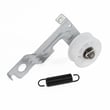
- Dryer idler pulley 4560EL3001A (squeal, belt tension issues)
- Dryer thermistor AGM30045804 (temperature sensing problems)
- Dryer moisture sensor 6500EL3001A (auto cycles end too soon or run too long)
Quick “system map” of a dryer
| System | What’s in it | Common symptom when it fails |
|---|---|---|
| Drive | belt, idler pulley, motor, drum | won’t tumble, squeal, thump |
| Heat | heater assembly or gas burner parts | no heat, weak heat |
| Airflow | blower wheel, vent ducting, lint housing | long dry times, overheating |
| Control/sensing | control board, thermistor, moisture sensor | odd cycle behavior, error codes |
Why it matters
Knowing which system a part belongs to helps you troubleshoot faster. For example, long dry times are often airflow-related (lint/vent/blower), while “runs but no heat” points to the heating and thermostat circuit.
Last updated: February 2026