Owner’s manual
 Error Codes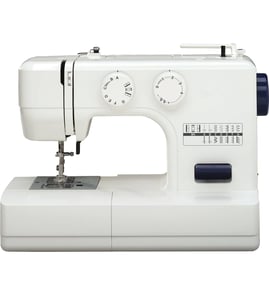

Are old sewing machines worth any money?
Yes, old sewing machines can be worth money, but value depends mostly on the exact model, condition, and whether it sews properly. For a Singer sewing machine like model 7258, resale value is usually driven more by working condition and included accessories than by age alone.
- Model and demand: collectible models and limited runs sell for more than common machines.
- Working condition: smooth handwheel movement, consistent stitch formation, and a strong motor matter.
- Completeness: original accessories, foot control, power cord, and extension table increase value.
- Cosmetic condition: cracks, missing covers, heavy corrosion, and yellowed plastic reduce value.
- Maintenance history: clean, lint-free machines with no “lock up” issues are easier to sell.
Use this as a practical way to describe your machine accurately when pricing it.
| Check | What to look for | Why it matters |
|---|---|---|
| Handwheel | Turns smoothly by hand | Binding suggests internal jam or damage |
| Power and pedal | Motor runs, speed control responds | Electrical issues lower value quickly |
| Stitching | Straight and zigzag stitches form evenly | Poor stitches point to tension or timing issues |
| Feed system | Fabric advances normally | Feed dog problems reduce usability |
The Singer 7258 manual lists common included accessories such as bobbins, needles, multiple presser feet (zipper foot, satin stitch foot, blind stitch foot, buttonhole foot, overcasting foot), a darning plate, seam ripper/brush, and a needle plate screwdriver. Confirming these items are included can support a higher asking price; see the owner's manual for the full accessory list and machine identification.
Sewing machines are priced like tools: buyers pay for reliability and completeness. A machine that threads correctly, runs smoothly, and includes key accessories is worth more than a similar machine that is “untested” or missing parts.
Last updated: February 2026
Is Singer Stylist 7258 discontinued?
Yes. The Singer Stylist 7258 sewing machine is discontinued, so you typically will not find it sold as a current, in-production model. You can still keep a 7258 running by following the maintenance and setup steps in the 7258 owner's manual.
A discontinued model usually means:
- The manufacturer no longer produces new units of that exact model number
- Retail availability shifts to used, refurbished, or remaining old stock
- Long-term support focuses on manuals, standard accessories, and serviceable wear items
- Some cosmetic or model-specific parts can become harder to source over time
We recommend these practical steps to extend life and avoid common stitch and feed issues:
- Clean lint from the hook area and feed dogs on a regular schedule
- Replace the needle at the first sign of skipped stitches, popping sounds, or fabric pulls
- Re-thread the top thread and bobbin exactly as shown in the manual (most tension issues start here)
- Use the correct needle type and size for your fabric and thread
- Unplug the machine before cleaning or servicing any internal area
| Symptom | Most common cause | First fix to try |
|---|---|---|
| Skipping stitches | Bent/dull needle, wrong needle for fabric | Install a new needle; confirm correct size/type |
| Birdnesting under fabric | Upper thread not seated in tension | Re-thread with presser foot up |
| Fabric not feeding | Lint-packed feed dogs, wrong settings | Clean feed dogs; verify presser foot down |
| Machine locks up | Thread jam in hook/bobbin area | Remove bobbin; clear jam; re-thread |
For step-by-step troubleshooting paths, use our DIY symptom guide for sewing machine locks up.
Knowing the Singer 7258 is discontinued helps set expectations: you focus on correct threading, routine cleaning, and standard wear items (needle, bobbin area cleaning) rather than searching for a “new replacement” of the exact same model.
Last updated: February 2026
What is the Singer Stylist sewing machine model 7258?
The Singer 7258 (often called the “Stylist” 7258) is a home sewing machine model covered by the Singer 7258 instruction book. It’s built for everyday utility sewing plus decorative stitches, buttonholes, and routine maintenance like cleaning the hook area and feed dogs; see the 7258 owner's manual.
The instruction manual describes common home sewing functions and stitch techniques, including:
- Basic seams, hems, and alterations
- Decorative stitches (for example, ric-rac and other decorative patterns)
- Seam finishing with overedge style stitches
- Buttonhole making (automatic, corded, and manual)
- Twin-needle sewing for parallel rows of stitches (pin tucks and double top-stitching)
The manual includes a specifications section labeled for the European version. Use it as a reference point, and match your machine’s rating label and power requirements to your region.
| Spec item | What the manual shows (European version) | What to do for your machine |
|---|---|---|
| Dimensions | 376 mm x 197 mm x 301 mm | Use these as a baseline; confirm exact size on your machine or case fitment notes in the manual |
| Weight (mass) | 6.7 kg | Use as a baseline; confirm if you’re choosing a carrying case or shipping box |
| Rated input | 65 W | Confirm voltage and power on the machine’s rating label before selecting cords, pedals, or electrical accessories |
| Noise level | Less than 70 dB(A) | Normal operating reference; unusual knocking or grinding indicates service is needed |
The manual’s care section focuses on lint removal and correct lubrication.
- Unplug the machine before cleaning
- Raise the needle to its highest position
- Remove the needle plate and bobbin case
- Brush lint from the feed dogs and hook area
- Add one drop of sewing machine oil to the hook race (do not use all-purpose oil)
- Reinstall the bobbin case and needle plate before sewing
Using the manual’s setup and cleaning routine helps prevent thread jams, lockups, skipped stitches, and sluggish running. For step-by-step troubleshooting by symptom, use our sewing machine repair-guides landing page.
Last updated: February 2026