Error Codes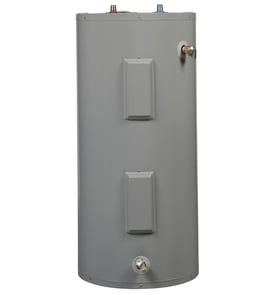



What's the average lifespan of an electric hot water heater?
An electric water heater like the Reliance 640DORT typically lasts 10 to 15 years. Lifespan is most affected by water quality (hard water shortens life), maintenance (regular tank draining helps), and whether key wear items like the anode rod are kept in good shape.
Typical lifespan ranges (what to expect)
- Tank-style electric water heater: 10 to 15 years
- With excellent maintenance and mild water conditions: can exceed 15 years
- Tankless electric water heater: often 20+ years (different design than the 640DORT tank-style unit)
What shortens (or extends) the life of a Reliance 640DORT
- Hard water mineral buildup and heavy sediment in the tank
- High thermostat settings (more stress on heating elements)
- Skipping periodic draining and flushing
- A worn anode rod that is no longer protecting the tank
- Frequent leaks at fittings or the drain valve that go uncorrected
Maintenance that helps you reach the high end of the range
We recommend focusing on the items below because they directly affect tank corrosion and heating efficiency:
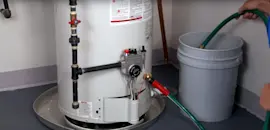
- Drain some water from the tank periodically to reduce sediment (see how to drain the tank on an electric water heater video)
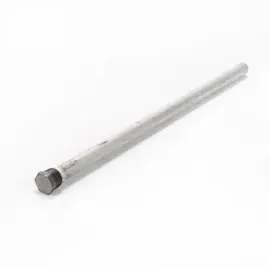
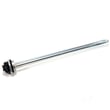
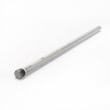
- Inspect and replace the anode rod when it is heavily depleted (see 2-way 100109624)
- Keep temperature at a safe, reasonable setting (many homes use about 120°F)
- Watch for early symptoms: slow recovery, fluctuating temperatures, popping noises
Quick decision guide: repair vs replace
| If your 640DORT is... | Usually makes sense to... |
|---|---|
| Under ~10 years and heating poorly | Repair (thermostat/element checks) |
| 10 to 15 years with recurring issues | Compare repair cost vs replacement |
| Leaking from the tank body | Replace (tank failure) |
Why it matters
Once a tank begins to corrode internally, performance problems can turn into a leak quickly. Simple upkeep, especially anode-rod maintenance, is one of the best ways to protect the tank and avoid an unexpected loss of hot water.
Last updated: January 2026
How much should a 40 gallon electric water heater cost?
A 40-gallon electric water heater typically costs $400 to $1,000 for the unit, and about $1,000 to $3,000 installed. For the Reliance 640DORT, the exact price varies by retailer and installation needs, but those ranges are the most common for comparable 40-gallon electric tanks.
What drives the price up or down
- Warranty length (longer warranties usually cost more)
- Element wattage and recovery rate (faster recovery can cost more)
- Tank height and fit (tall vs. short can affect labor and venting clearance)
- Electrical and plumbing updates (new shutoff valve, wiring, expansion tank)
- Permit and disposal fees (often required in many areas)
- Access difficulty (tight closets, attic installs, stairs)
Typical cost ranges (unit vs. installed)
| Scenario | Unit only | Installed total |
|---|---|---|
| Budget retail tank | $400 to $600 | $1,000 to $1,800 |
| Mid-range tank | $600 to $900 | $1,400 to $2,400 |
| Premium tank or complex install | $900 to $1,000+ | $2,000 to $3,000+ |
When repair makes more sense than replacement
If your Reliance 640DORT is heating poorly or inconsistently, a repair can be far cheaper than a full replacement. Common service parts include:
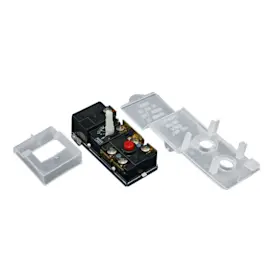
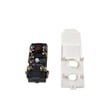
- Upper thermostat: thermostat 100108683
- Lower thermostat: thermostat 100108421
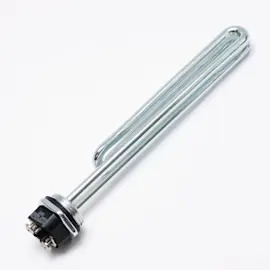
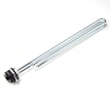
- Heating element: element 100108283
- Anode rod (helps prevent tank corrosion): 2-way 100109624
Why it matters
A low quote can mean a basic swap with minimal extras, while a higher quote often includes code-related upgrades and materials that help prevent leaks, nuisance breaker trips, and premature tank failure.
Last updated: January 2026
What is the downside of an electric tankless water heater?
Electric tankless water heaters can be a poor fit when your home cannot support the high electrical demand; they often require multiple large breakers and sometimes a service-panel upgrade. Compared with a tank like the Reliance 640DORT electric water heater, they can also struggle to supply enough hot water for multiple fixtures at once.
Key downsides to plan for
- Electrical upgrades are common: many units need multiple high-amperage circuits, which can mean new wiring, breakers, and panel capacity.
- Limited flow during heavy use: simultaneous showers, laundry, and dishwasher use can reduce outlet temperature or flow.
- Cold-water sandwich and wait time: you still get cold water in the line first; recirculation is an added system.
- Higher upfront cost: the unit plus electrical work often costs more than replacing a standard tank.
- No hot water in an outage: if power is out, there is no stored hot water.
Electric tankless vs. electric tank (like Reliance 640DORT)
| Feature | Electric tankless | Electric tank (storage) |
|---|---|---|
| Electrical demand | High, often multiple circuits | Moderate, typically simpler wiring |
| Hot water during peak demand | Can be limited by kW capacity | Better short-term buffering from stored volume |
| Upfront cost | Higher | Lower |
| Hot water in power outage | None | Some residual stored hot water |
Why it matters
If you are considering switching from a tank-style unit like the Reliance 640DORT, the biggest “gotcha” is usually electrical capacity. A tankless heater can work well, but only when the home’s electrical service and your peak hot-water demand match the unit’s requirements.
If you are troubleshooting your current tank-style heater instead
Many “tankless vs. tank” conversations start because a tank heater is not keeping up. Before replacing the whole system, we often see performance restored by addressing common wear items like thermostats, heating elements, and maintenance.
- Inspect temperature control issues with an upper thermostat 100108683.
- If recovery is slow, check the heating circuit and element condition; scale buildup can also reduce output.
- For maintenance that helps efficiency and sediment control, use how to drain the tank on an electric water heater video.
Last updated: January 2026