Owner’s manual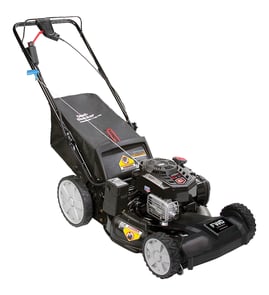



Are gas lawn mowers being phased out?
Gas walk-behind mowers like the Husqvarna 917374080 are not being phased out everywhere at once, but new-sales rules are tightening in some areas and more homeowners are switching to battery-electric models. Gas mowers remain widely supported for parts, maintenance, and repair.
What “phased out” usually means
Most changes focus on new equipment sales, not on owning, using, or repairing an existing mower.
- Some regions restrict or plan to restrict sales of certain new gas-powered outdoor equipment
- Existing gas mowers can typically still be used and maintained
- Parts support often continues for many years after a model is no longer sold
- Retail shelf space is shifting toward electric because it is quieter and lower maintenance
- Commercial and heavy-duty use cases often keep gas equipment longer
For model-specific operating and maintenance guidance (fuel, oil, safety rules), use the 917374080 owner’s manual.
What to do if you plan to keep your gas mower
Keeping a gas mower reliable is mostly about fuel care, blade condition, and seasonal storage.
- Use fresh unleaded regular gasoline; avoid storing old fuel from season to season
- Change oil on schedule; this model’s manual lists 20 oz oil capacity and SAE 30 (above 32°F)
- Keep the air filter clean to prevent hard starting
- Maintain the blade; a dull blade tears grass and strains the engine
- Winterize correctly (cool engine before storage; store away from ignition sources)
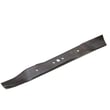
If you’re replacing a worn blade on this model, match the correct OEM-style part such as the lawn mower blade 532406712.
Quick comparison: gas vs battery for typical homeowners
| Feature | Gas walk-behind mower | Battery walk-behind mower |
|---|---|---|
| Maintenance | Fuel, oil, spark plug, air filter | Mostly blade and cleaning |
| Noise | Louder | Quieter |
| Runtime | Refill and keep mowing | Limited by battery capacity |
| Storage | Fuel storage and winterizing | Battery storage and charging |
Why it matters
If your area changes new-sales rules, the biggest impact is usually on what’s available to buy next, not on keeping your current Husqvarna mower running. Staying on top of tune-ups and fuel storage helps you avoid no-start and performance problems.
Last updated: January 2026
Should I use 87 or 93 for lawn mower?
For the Husqvarna lawn mower model 917374080, use regular unleaded gasoline with a minimum of 87 octane (AKI); 93 octane is not required for normal operation. The bigger priority is using clean, fresh fuel and storing it correctly per the 917374080 owner's manual.
What to use (and what to avoid)
- Use fresh, clean unleaded gasoline (87 AKI minimum).
- Use 93 octane only if it is the only fresh fuel available; it will not add power in a typical small engine.
- Avoid old fuel; gasoline can start degrading in about 30 days, which leads to hard starting and rough running.
- Avoid over-priming in warm weather; it can flood the engine and prevent starting.
- Never change the engine governor setting; engine speed is factory set.
Quick comparison: 87 vs 93 in a walk-behind mower
| Fuel choice | When it makes sense | What you will notice |
|---|---|---|
| 87 octane (regular) | Normal mowing, most conditions | Correct performance when fuel is fresh |
| 93 octane (premium) | Only if that is the freshest fuel you have | Typically no performance gain |
If the mower runs poorly after fueling
- Drain or dilute old fuel with fresh fuel.
- Check that the operator presence control bar is held fully down during starting.
- If you suspect carburetor issues, we recommend service by a qualified technician.
Why it matters
Most “fuel problems” on walk-behind mowers come from stale gasoline, not octane rating. Fresh fuel helps prevent hard starting, surging, and loss of power, and it supports longer engine life.
Related DIY help: how to keep lawn mower gas from going bad
Last updated: January 2026
What is the best gas mower under $300?
For under $300, the best gas walk-behind mower is the one that matches your yard size and is easy to maintain. For most small to mid-size lawns (up to about 1/2 acre), a 21-inch mower with simple controls, solid cut options, and strong parts support is the best value. Use the 917374080 owner's manual to compare maintenance specs and controls to any budget mower you’re considering.
What to look for in a sub-$300 gas mower
- Deck size: 21-inch decks are the most common “do-it-all” size for typical home lawns.
- Drive type: push mowers cost less; self-propelled is worth it for slopes or thicker grass.
- Cut options: mulching plus bagging or rear/side discharge gives you flexibility.
- Maintenance access: easy oil checks, reachable air filter and spark plug, straightforward blade removal.
- Parts support: blades, wheels, belts, and control cables should be readily available.
Use your Husqvarna 917374080 as the comparison checklist
Your Husqvarna 917374080 manual includes the exact product specifications and service procedures for your mower (fuel type, oil type, spark plug details, blade bolt torque, and seasonal maintenance intervals). When shopping under $300, choose a mower with similarly clear service specs and common wear parts.
| Feature to compare | Good target under $300 | What it affects |
|---|---|---|
| Deck width | 21-inch | Mowing speed and maneuverability |
| Drive | Push or self-propelled | Effort required on hills |
| Maintenance schedule | Seasonal tune-up friendly | Long-term reliability |
| Wear parts availability | Blade, wheels, belt, cable | Repair cost and downtime |
Why it matters
At this price point, “best” means lowest total ownership cost. A mower that starts reliably, cuts cleanly, and uses common replacement parts will outperform a cheaper mower that is difficult to service.
Helpful DIY resource for comparing maintenance effort
- Read how to sharpen a lawn mower blade to see what routine blade service involves and how often you’ll want to do it.
Last updated: January 2026