Owner’s manual
 View engine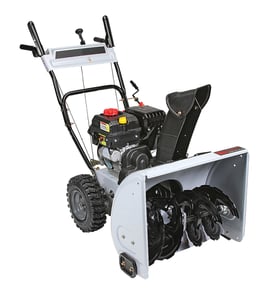




What happens if you don't drain gas from a snowblower?
If you don’t drain (or properly stabilize) gasoline in your MTD snow thrower model 31AE5HTG799 before storage, the fuel can go stale and form gum and varnish in the carburetor and fuel system. That often leads to hard starting, rough running, or a no-start condition next season. See the off-season storage steps in the 31AE5HTG799 operator’s manual.
What stale fuel can do
When fuel sits, especially in warm weather or for 30 days or more, it can break down and cause fuel-system problems.
Common results include:
- Hard starting or the engine will not start
- Engine runs rough or surges
- Clogged carburetor jets or passages (varnish buildup)
- Water contamination and corrosion in the tank or carburetor
- More frequent tune-ups and fuel-system cleaning
Best practice for storage on this model
Your manual outlines two acceptable approaches depending on how long you’re storing the snowblower.
- Short-term storage (about 15 to 30 days): Treat the fuel with stabilizer and run the engine long enough to pull treated fuel into the carburetor.
- Long-term storage (30 days or longer): Run the engine until it stops from lack of fuel (emptying the fuel system).
- Store fuel only in an approved container and keep the cap tight.
- Before the first start next season, use fresh, clean unleaded gasoline.
Quick comparison
| Storage time | Recommended approach | Goal |
|---|---|---|
| 15 to 30 days | Stabilize fuel and run engine | Prevent gum deposits |
| 30+ days | Run engine until it stops (fuel empty) | Prevent stale-fuel starting problems |
Why it matters
Old fuel is one of the most common reasons a gas snowblower won’t start after sitting. Draining or stabilizing fuel helps protect the carburetor, reduces downtime after the first snowfall, and can prevent avoidable repair costs.
Last updated: January 2026
Is it worth fixing an old snowblower?
Yes, it’s often worth fixing an older MTD snow thrower like model 31AE5HTG799 when the repair is a normal wear item (belt, skid shoes, shear pins) and the machine is otherwise solid. If the repair cost is around half (or more) of a comparable replacement snowblower, replacement usually makes more sense.
Quick decision checklist
- The engine starts easily and runs smoothly (no heavy smoke or loud knocking).
- The auger and impeller turn without grinding or severe vibration.
- The housing is not cracked and the auger gearbox area is not leaking heavily.
- The repair is a common maintenance item (belt, cable adjustment, skid shoes).
- You can get the correct parts and follow the steps in the 31AE5HTG799 operator’s manual.
Typical “worth it” repairs vs “think twice” repairs
| Repair type | Usually worth it? | Why |
|---|---|---|
| Replace a worn auger belt | Yes | Low-to-moderate cost; restores throwing performance |
| Adjust drive or auger control cable | Yes | Often fixes slipping or non-engagement without major parts |
| Replace skid shoes or shave plate | Yes | Normal wear items; protects the auger housing |
| Major engine internal repair | Usually no | Cost and downtime can exceed the value of the machine |
If your issue is belt-related on this model
If your snowblower will not throw snow well or the auger stops under load, a worn belt is a common cause. For model 31AE5HTG799, start by checking belt condition and tension, then consider replacing the belt 256963.
What to inspect first
- Belt glazing, cracking, or stretching
- Belt cover area packed with snow or debris
- Idler pulley movement and spring tension
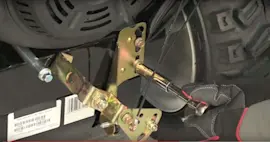
- Auger engagement cable adjustment
Why it matters
A well-maintained older snowblower can be very cost-effective because routine parts (like belts and skid shoes) restore performance quickly. The key is avoiding high-cost repairs that do not improve long-term reliability.
Last updated: January 2026
What is the typical lifespan of a gas snowblower?
A gas snowblower like the MTD 31AE5HTG799 typically lasts 10 to 15 years with normal residential use and consistent maintenance. Keeping up with oil changes, belt condition, and off-season storage practices is what most often determines whether you land closer to 10 years or 15.
What most affects lifespan on the MTD 31AE5HTG799
We see these factors make the biggest difference over time (especially on two-stage machines with drive and auger systems):
- Fuel quality and storage: using fresh fuel and preventing stale fuel issues
- Oil checks and oil changes: keeping the engine properly lubricated
- Wear items: skid shoes, shave plate, shear pins, and belts
- Operating habits: avoiding impacts with ice chunks, gravel, and hidden objects
- End-of-season storage: preventing corrosion and fuel system problems
For model-specific maintenance intervals and storage steps, follow the 31AE5HTG799 operator's manual.
Maintenance checklist that helps you reach 15 years
These are the highest-impact habits for extending service life:
- Check engine oil level before each use; change oil on schedule
- Use fresh gasoline; treat fuel for storage and avoid leaving stale fuel in the system
- Inspect and replace shear pins after jams or impacts
- Keep the chute and auger housing clear; use the clean-out tool (not hands)
- Inspect belts for glazing, cracking, or slipping; replace when worn
Common wear items and what they do
| Item | What it affects | Typical sign it needs attention |
|---|---|---|
| Engine oil | Engine life | Hard starting, overheating risk, dirty oil |
| Shear pins | Auger protection | Auger stops turning after hitting an object |
| Skid shoes / shave plate | Scraping and housing protection | Uneven clearing, excessive wear, poor scraping |
| Auger/drive belts | Throwing and self-propel | Slipping, squealing, weak throwing or no drive |
If your auger belt is worn and you need the compatible replacement for this model, use belt 256963.
Why it matters
A snowblower that is maintained to spec usually costs less over its lifetime because it avoids major failures (engine damage, drive system wear, repeated no-start issues). Small, routine service is what keeps the MTD 31AE5HTG799 reliable through many winters.
Last updated: January 2026