 Owner’s manual
 Error Codes





Can I replace dishwasher parts myself?
Yes, for the GE GDF510PSM4SS dishwasher we see many customers successfully replace basic, non-wiring parts themselves (filters, spray arms, hoses, gaskets) as long as power is disconnected and the water supply is shut off. For electrical diagnostics or wiring-related repairs, we recommend using the safety steps in the GDF510PSM4SS owner's manual and using a qualified technician when needed.
What you can usually DIY (and what to avoid)
Many common repairs are straightforward because they involve cleaning, unclogging, or swapping a single component.
Good DIY candidates
- Cleaning or replacing the filter (helps with poor cleaning and standing water)
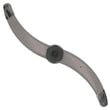
- Replacing a spray arm such as the dishwasher spray arm, lower WD22X33499 if it is cracked or clogged
- Replacing a drain hose if it is split, kinked, or leaking
- Replacing a tub gasket if you see water leaking at the door opening
- Replacing a door latch strike if the door will not close firmly
Usually better for a technician
- Control board or wiring harness work
- Electrical grounding or hard-wiring corrections
- Persistent no-start issues after basic checks (breaker, wall switch, control lock)
Safety steps we follow before any repair
The manual emphasizes disconnecting power before maintenance and avoiding contact with the heating element during or right after use.
- Turn off the dishwasher circuit breaker (do not rely only on the control panel)
- Shut off the water supply valve under the sink
- Let the heating element cool completely before reaching into the tub
- Keep small removed parts away from children (choking hazard)
- Take a photo of wire routing and hose connections before removal
Quick “is it worth DIY?” checklist
| What you’re replacing | Typical DIY difficulty | Common tools |
|---|---|---|
| Spray arm, filter, gasket | Easy | Pliers, towel |
| Drain hose, inlet valve | Medium | Screwdriver, pliers |
| Control board, harness | Advanced | Multimeter, nut driver |
Why it matters
Dishwashers combine water, heat, and electricity. Doing the simple mechanical repairs yourself can save time and restore cleaning performance, but following the correct shutoff and safety steps helps prevent shocks, leaks, and repeat failures.
Last updated: February 2026
What are the commonly replaced parts in a dishwasher?
In the GE GDF510PSM4SS dishwasher, the most commonly replaced parts are the wash and drain components (spray arms, pumps, filters), water-fill parts (inlet valve), and door sealing and latching parts (gaskets, latch/strike). These parts wear over time, clog with debris, or leak.
Commonly replaced parts (and what they affect)
- Spray arms: poor cleaning, food left on dishes, weak spray patterns
- Filters: gritty residue, redepositing soil, slow drain symptoms
- Drain pump and drain hose: standing water, slow or no draining
- Water inlet valve: not filling, weak fill, long fill times
- Heating element: poor drying, cooler wash water, longer cycles
- Door latch/strike and tub gasket: won’t start (door not sensed closed), leaks at the door
Model-matched examples for GDF510PSM4SS
| Symptom you see | Part that commonly fixes it | Example part for this model |
|---|---|---|
| Dishes not getting clean | Clogged or damaged spray arm | Dishwasher spray arm, lower WD22X33499 |
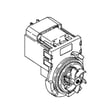
| Dishwasher won’t drain | Drain pump or drain hose issue | Dishwasher drain pump WD19X25461 |
| Not filling or fills slowly | Water inlet valve | Dishwasher water inlet valve WD15X26078 |
| Leaks around the tub opening | Tub gasket | Dishwasher tub gasket WD08X23476 |
| Won’t start or stops mid-cycle | Door latch/strike not engaging | GE dishwasher door latch lock WD21X10490 |
Quick checks before replacing parts
- Disconnect power before any inspection or maintenance.
- Clean the filter area and check for broken glass, labels, or food debris.
- Spin spray arms by hand; confirm they move freely and holes are not blocked.
- Verify the drain hose is routed correctly and not kinked.
- Check the door closes firmly; the latch should click and hold.
Why it matters
Replacing the right part restores normal wash pressure, proper draining, and safe door sealing. It also prevents repeat issues caused by clogs and leaks, which can strain the wash pump, drain pump, and electronic controls.
For safety and model-specific procedures, follow the GDF510PSM4SS owner's manual.
Last updated: February 2026
What is the most common problem with GE dishwashers?
The most common problems we see on GE dishwashers like model GDF510PSM4SS are not draining, not starting, and poor cleaning or drying. Many of these issues trace back to a clogged filter or drain path, a door-latch/lock problem, or a wash system issue.
Most common issues and what usually causes them
- Dishwasher won’t drain: food debris in the sump/filter area, a kinked/blocked drain hose, or a failing drain pump.
- Dishwasher won’t start or stops mid-cycle: door not fully latched, control lock enabled, or an electrical supply issue (breaker, switch).
- Not cleaning well: spray arm holes clogged, filter restricted, or low water fill.
- Not drying: heated dry not selected, rinse aid missing, or a heating circuit problem.
- Suds/foam and poor wash: wrong detergent (hand dish soap causes heavy sudsing).
Quick checks we recommend first (fast, no parts)
- Confirm the door closes firmly and the latch engages; check the strike alignment.
- Check for standing water; clear visible debris and verify the drain hose routing.
- Use only automatic dishwasher detergent; avoid hand dish soap (it causes suds and poor performance).
- Make sure tall dishes are not blocking the detergent dispenser.
- If the control panel is locked, unlock it per the GDF510PSM4SS owner's manual.
Parts that commonly fix these symptoms on GDF510PSM4SS
| Symptom | Common part to inspect/replace | Why it matters |
|---|---|---|
| Not draining | Dishwasher drain pump WD19X25461 | Pushes water out; a weak pump leaves water in the tub |
| Won’t start | GE dishwasher door latch lock WD21X10490 | The dishwasher will not run if it does not sense a locked door |
| Poor cleaning | Dishwasher spray arm, lower WD22X33499 | Clogged or damaged spray arms reduce water pressure and coverage |
| Leaks at door | Dishwasher tub gasket WD08X23476 | A worn gasket lets water escape during wash and drain |
Why it matters
Catching the root cause early prevents repeat cycles, standing water odors, and detergent wash-out. For example, the manual notes that incorrect detergent can create suds and poor wash performance, and that dishes blocking the dispenser can leave detergent behind.
Last updated: February 2026





