Error Codes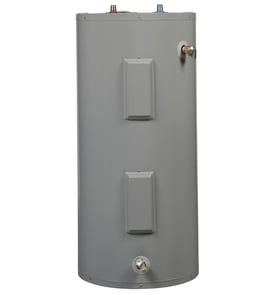




What is the life expectancy of a 40 gallon electric water heater?
A 40-gallon electric water heater typically lasts 10 to 15 years. For the Rheem GE40M06AAG, the exact lifespan depends most on water quality, temperature setting, and maintenance; keeping sediment down and electrical controls working correctly helps you reach the upper end of that range.
- Water hardness and sediment: more buildup means more stress on the tank and heating system.
- Temperature setting: higher temps increase scaling and wear.
- Maintenance frequency: periodic draining and inspection reduces corrosion risk.
- Electrical component health: failed thermostats or elements can cause overheating or poor recovery.
- Installation conditions: moisture, flooding risk, and poor ventilation around wiring can shorten life.
- Rust-colored water or visible corrosion at fittings
- Rumbling or popping noises (sediment heating)
- Leaks at the tank body (not just a fitting)
- Hot water runs out faster than it used to
- Breaker trips or inconsistent heating
If hot water is weak or inconsistent, replacing failed controls can restore performance and reduce strain on the system.
| What you notice | Common check | Example compatible part for GE40M06AAG |
|---|---|---|
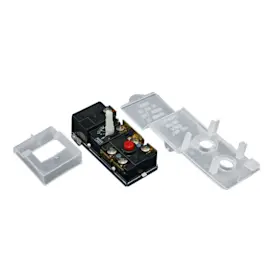
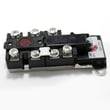
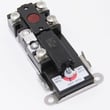
| Water not hot enough | Thermostat setting or failure | Rheem thermostat SP11699 |
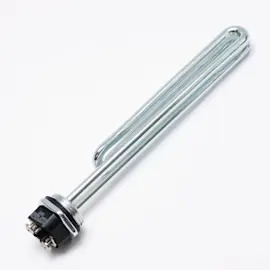
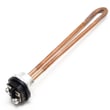
| Slow recovery | Heating element condition | Rheem water heater heating element SP10552GH |
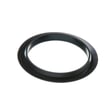
| Seepage at element area after service | Element gasket condition | Gasket SP6708 |
A water heater that is past its typical lifespan is more likely to waste energy and develop leaks. Staying ahead of sediment and replacing worn electrical parts can help your Rheem GE40M06AAG run reliably and avoid sudden loss of hot water.
Last updated: January 2026
What is the voltage of a GE40M06AAG?
We cannot confirm a single factory voltage for the Rheem GE40M06AAG electric water heater from the model-specific information available here because voltage is typically determined by the rating label and the installed wiring configuration, not the model number alone.
Turn power OFF at the breaker and remove the upper access panel to find the rating label and wiring area.
- Check the rating label for “Volts” (commonly 120, 208, 240, or 277 on electric water heaters)
- Confirm the breaker size and whether it is a single-pole (120V) or double-pole (208/240V)
- Use a multimeter to measure voltage at the water heater junction box (power on only for testing)
- Match replacement parts to the voltage shown on the label
- If the label is missing or unreadable, have an electrician verify the supply
For safe electrical testing steps, use our how to use a multimeter to test electrical parts video.
Heating elements and thermostats must be compatible with the supply voltage; using the wrong voltage element can cause slow heating, nuisance tripping, or element failure.
| Component | What must match | Example from this model’s parts |
|---|---|---|
| Heating element | Voltage and wattage rating | Rheem water heater heating element, 120-volt SP10874GH |
| Thermostat | Type and temperature range | Rheem thermostat options vary by design |
| Wiring | Gauge and connections | Must match breaker and heater requirements |
Correct voltage protects the heating element, thermostat, and wiring, and it helps your Rheem water heater heat properly without tripping the breaker.
Last updated: January 2026
What is the most common problem with electric water heaters?
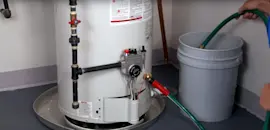
Sediment buildup in the bottom of the tank is the most common problem we see with electric water heaters, including the Rheem GE40M06AAG. It reduces heating efficiency, can cause popping or rumbling noises, and often leads to “not enough hot water” complaints.
- Longer recovery time (hot water runs out faster)
- Rumbling, popping, or crackling sounds during heating
- Lukewarm water even when the thermostat is set correctly
- Higher electric bills from reduced efficiency
- Premature heating element failure from overheating in sediment
Turn off power at the breaker before removing any access panels.
- Confirm the breaker is on and not tripped
- Check for visible water leaks around the tank base and fittings
- Listen for rumbling during a heat cycle (a common sediment clue)
- If you have limited hot water, suspect a failing element or thermostat in addition to sediment
If flushing does not improve performance, the problem is often in the heating or temperature control circuit.
| Symptom | More likely cause | Parts that commonly relate |
|---|---|---|
| No hot water | Power issue, thermostat, or element | Rheem thermostat SP11699, Rheem water heater heating element SP10552GH |
| Some hot water, then cold | One element not heating | Rheem water heater heating element, 120-volt SP10874GH |
| Water too hot or inconsistent | Thermostat out of calibration | Thermostat SP11700 |
Sediment acts like insulation between the heating element and the water. That makes the element work harder, increases energy use, and can shorten the life of key components such as the heating element and thermostat.
Last updated: January 2026
Can you replace parts on a water heater?
Yes. On the Rheem GE40M06AAG electric water heater, we can replace several service parts (such as heating elements, thermostats, and gaskets) to restore hot water and extend the heater’s life. If the tank itself is leaking, replacing the water heater is typically the practical fix.
These are examples of parts we commonly service on the GE40M06AAG when symptoms point to them:
- Heating element (no hot water, slow recovery, lukewarm water)
- Thermostat (water too hot, not hot enough, temperature swings)
- Gasket (leaks at an element opening after service)
Helpful model-matched examples include the Rheem water heater heating element, 120-volt SP10874GH, Rheem thermostat SP11699, and gasket SP6708.
Electric water heaters can be dangerous if power is still present. Before touching wiring or opening access panels:
- Turn OFF the water heater breaker (verify power is off with a meter)
- Shut off the cold water supply to the heater
- Open a hot water faucet to relieve pressure
- If you are removing an element, drain water below the element level
- Label wires before disconnecting anything
| Task | Typical DIY difficulty | Why it can be tricky |
|---|---|---|
| Replace heating element | Medium | Stuck element threads, draining, leak-free sealing |
| Replace thermostat | Medium | Correct wiring placement, tight contact to tank |
| Replace gasket | Low to medium | Preventing seepage after reassembly |
Replacing the right part can fix “no hot water” or “not enough hot water” without replacing the whole unit. It also helps prevent repeat failures, like a new element leaking because an old gasket was reused.
Last updated: January 2026
Is it cheaper to repair or replace a water heater?
For the Rheem GE40M06AAG electric water heater, it’s usually cheaper to repair when the issue is a serviceable component (like a thermostat or heating element). Replacement is typically the better value when the tank is leaking, badly rusted, or repair costs approach half the price of a new heater.
- Repair if you have no tank leak and symptoms point to an electrical control or heating issue.
- Replace if water is coming from the tank body or seams (tank failure).
- Repair if the problem is intermittent hot water, slow recovery, or tripped reset.
- Replace if you’re facing repeated breakdowns plus high energy use.
- Repair if the fix is a single part and labor is straightforward.
- Replace if multiple major parts are failing at once.
These symptoms often trace back to parts that are designed to be replaced:
- No hot water or not enough hot water
- Water is hot then turns cold quickly
- Breaker trips or high-limit reset trips
- Water temperature swings
| Symptom | Likely part to check | What it does |
|---|---|---|
| No/low hot water | Rheem thermostat SP11699 | Regulates element operation and water temperature |
| Slow recovery | Rheem water heater heating element SP10552GH | Heats the water in the tank |
| Intermittent heating | Thermostat SP11700 | Switches power to the element based on temperature |
| Seepage at element opening after service | Gasket SP6708 | Seals the element opening to prevent leaks |
A working thermostat, heating element, and gasket can restore normal hot water at a fraction of replacement cost. But once the tank itself fails, replacing parts will not stop the leak, so replacement becomes the practical choice.
- Turn off the breaker before removing access panels.
- Confirm power is off with a meter; see how to use a multimeter to test electrical parts video.
- If you see active leaking near wiring or controls, shut off power and water and have it serviced.
Last updated: January 2026