View engine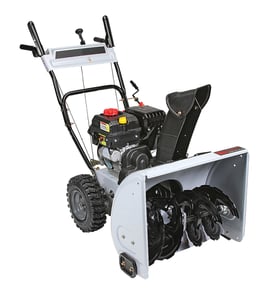



What is the typical lifespan of a gas snowblower?
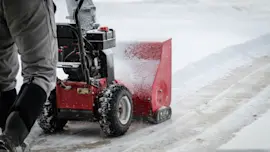
A typical gas snowblower, including Craftsman model 536886810, lasts 10 to 15 years with normal residential use. With consistent maintenance (fresh fuel practices, regular oil changes, and off-season storage), many units reach 15 to 20 years before major drive or auger repairs become common.
What most affects lifespan
- Fuel care: using fresh gasoline and stabilizer during storage reduces carburetor and starting problems.
- Oil changes: clean oil protects the engine under cold, high-load operation.
- Belt and friction-drive wear: drive performance depends on belt condition and traction components.
- Auger/impeller impacts: hitting ice chunks, gravel, or curbs accelerates wear and bending.
- Storage and corrosion control: dry storage prevents rust on the auger housing, chute, and fasteners.
Maintenance schedule that extends service life
| When | What to do | What it prevents |
|---|---|---|
| Every use | Clear packed snow, check for loose hardware | Rust, vibration damage |
| Each season | Change oil, inspect belts and pulleys | Engine wear, slipping drive |
| Mid-season | Check chute movement and cable adjustments | Poor throwing control |
| End of season | Stabilize fuel, clean and dry, store covered | Hard starting, corrosion |
If your snowblower starts moving slowly, surges, or the wheels stop pulling under load, inspect the ground drive system first. On this model, common wear items include the snowblower drive belt 1733324SM and the idler pulley 1502120MA.
Why it matters
A snowblower that is maintained for longevity costs less over time because you avoid premature engine wear and reduce the chance of mid-storm failures. Simple seasonal checks also help you catch belt wear and pulley issues before they damage other drive components.
For step-by-step maintenance help, we recommend how to make your snowblower last longer.
Last updated: January 2026
How to read Craftsman snowblower serial number?
On Craftsman snow thrower model 536886810, we identify the unit by the product identification label on the machine; the serial number is printed on that same label and is read exactly as shown (letters and numbers in order). Use the serial number to match the correct parts and production version.
Where to find the identification label
Most Craftsman snowblowers place the identification label on the rear or lower frame area near the axle and wheels. Check these common spots:
- Back side of the metal base between the left and right rear wheels
- Rear frame plate behind the engine
- Lower handle support area near the base
- Side of the frame near the auger housing (less common)
If the label is dirty or faded, wipe it with a damp cloth and mild soap, then dry it so the characters are easier to read.
How to read the serial number correctly
Serial numbers are easy to misread because several characters look alike. Use these tips:
- Write it down exactly in order; do not add spaces
- Double-check look-alikes: 0 vs O, 1 vs I, 5 vs S, 8 vs B
- If there is a dash, include it
- Take a clear photo before the label wears further
Quick character check
| Looks like | Often confused with | What to do |
|---|---|---|
| 0 | O | Look for perfectly round “0” vs letter “O” |
| 1 | I | “1” is usually straight; “I” may have top/bottom bars |
| 5 | S | “5” often has a flat top; “S” is more curved |
Why it matters
The serial number helps us match the correct parts list when a model has multiple production runs. That prevents ordering the wrong belt, pulley, chute, or hardware for your Craftsman snowblower.
Next best step for parts matching
When you are ready to replace common wear items, match by model and serial, then compare the part description:
- Snowblower drive belt 1733324SM for ground drive issues (slipping or no forward motion)
- Snowblower auger drive belt 3887MA for auger engagement problems
Last updated: January 2026
How do I tell what year my snowblower is?
For a Craftsman snow thrower model 536886810, the most reliable way to estimate the year is to use the engine manufacture date code (on the engine shroud, valve cover, or blower housing). That code tells you when the engine was built, which is typically close to the snowblower’s build year.
Where to look for the date information
Check these common locations first (engine off and cool):
- Engine shroud or recoil starter housing (near the pull cord)
- Valve cover area
- Blower housing or muffler shield area
- A metal tag or sticker with model/type/code information
- Snowblower frame tag (often near the handles or axle area)
If the tag is missing or unreadable, cleaning the area with a rag and mild degreaser often reveals stamped numbers.
How to read the engine code (quick guide)
Many small engines use a numeric date code where the first two digits indicate the year. For example, a code starting with 99 indicates 1999.
| What you find | What it tells you | How to use it |
|---|---|---|
| Engine date code | Exact engine build date | Best indicator for “what year” |
| Snowblower frame tag | Unit model/serial info | Helps confirm model family |
| Parts wear patterns | Service history clues | Helps explain performance issues |
Why it matters
Knowing the approximate year helps us match the correct Craftsman parts and maintenance procedures, especially for wear items like belts, pulleys, and chute components. If your machine slips, won’t drive, or the auger won’t engage, the age often points to normal belt wear.
- Drive slipping often relates to belt condition and tension
- Auger engagement issues often relate to belt wear or linkage adjustment
- Chute problems often relate to impact damage or worn hardware
Parts that commonly relate to age and wear
If you are troubleshooting while you date the unit, these are common wear parts for this model:
- Snowblower drive belt 1733324SM (ground drive slipping or no movement)
- Snowblower auger drive belt 3887MA (auger or impeller not turning under load)
- Chute 762222MA (cracked, loose, or won’t hold position)
For a visual walkthrough on belt service, use how to replace a snowblower belt video.
Last updated: January 2026
What is the most common problem with snow blowers?
The most common problem we see on snow blowers, including the Craftsman 536886810, is a no-start or hard-start condition caused by fuel and ignition issues (stale gas, a dirty carburetor, or a worn spark plug). Next most common are clogging and drive or auger engagement problems.
Most common issues (and what to check first)
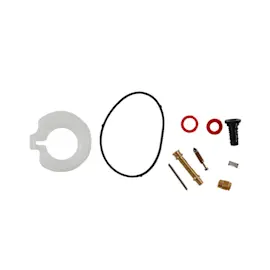
- Won’t start / starts then dies: drain old fuel, refill with fresh fuel, check spark plug condition and gap, and clean the carburetor if it surges or stalls.
- Clogged chute or poor throwing: shut off the engine, wait for all moving parts to stop, then clear packed snow and inspect the chute and deflector for damage.
- Auger won’t turn: check for broken shear pins (common after hitting ice chunks or debris) and confirm the auger control is adjusted correctly.
- Unit won’t drive / weak drive: inspect the ground drive belt for glazing, cracking, or stretching; replace if worn.
- Slipping or squealing under load: inspect belt tension and idler pulley operation.
Quick symptom-to-likely-cause guide
| Symptom | Most likely cause | Common fix |
|---|---|---|
| Pull cord starts it briefly, then it dies | Stale fuel or dirty carburetor | Fresh fuel; carburetor cleaning |
| Engine runs but snow won’t throw | Clogged chute or auger not engaged | Clear chute; check auger drive |
| Wheels don’t move in gear | Worn drive belt or traction system issue | Replace belt; inspect drive components |
| Loud squeal when engaging drive | Belt slipping or idler issue | Replace belt; inspect idler pulley |
Parts that commonly solve “no drive” complaints
If your Craftsman 536886810 moves weakly, won’t move, or only moves intermittently, these are the first wear items we check:
- Snowblower drive belt 1733324SM (ground drive belt)
- Idler pulley 1502120MA (maintains belt tension)
- Spool 579860MA (drive cable spool component)
Why it matters
Most snowblower failures are maintenance-related. Fixing fuel quality, lubrication, and belt wear early prevents mid-storm breakdowns and reduces strain on the auger, impeller, and drive system.
Related DIY help: how to check a snowblower spark plug video, how to change snowblower oil video, how to replace a snowblower belt video.
Last updated: January 2026