Installation guide
 Owner’s manual
 Error Codes


How to read GE dryer model number?
For your GE GTDP490GD2WS gas dryer, the model number is printed on the appliance ID label; we use that exact number to match the correct parts list, wiring, and service information. On this model, the label is on the front of the dryer behind the door.
Check these common GE dryer locations (GTDP490GD2WS matches the first one):
- Front of the dryer behind the door (open the door and look on the cabinet frame)
- Back of the dryer near the top (some installations make this easier to see)
- Inside the door opening on the cabinet frame (varies by series)
For the exact label location and how GE references the model and serial fields, use the GTDP490GD2WS owner’s manual.
When you enter a GE dryer model number, we match it exactly as printed. Here is what to verify before ordering parts:
- Copy the full model number character-for-character (letters and numbers)
- Use the full model number, not just the series (for example, GTDP490)
- Record the serial number too; it helps confirm production details for service
- If the label is worn, take a clear photo and zoom in to confirm each character
Small differences in a GE model number can change which drum belt, door switch, timer, or gas-heat components fit.
| What you’re doing | Use this | Why it helps |
|---|---|---|
| Ordering replacement parts | Model number + part ID | Ensures correct fit and wiring/connector style |
| Checking installation requirements | Model number | Confirms venting and gas/electrical requirements |
| Scheduling service | Model + serial | Speeds up diagnosis and correct part selection |
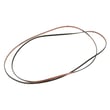
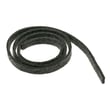
If your dryer runs but the drum will not turn, the belt is a common suspect; for this model, the correct listing is the dryer drum belt WE03X29897.
Using the exact GTDP490GD2WS model number prevents wrong-part returns and helps you troubleshoot faster, especially on gas dryers where ignition and venting details are model-specific.
Last updated: February 2026
Is it worth replacing a belt on a dryer?
Yes; on a GE GTDP490GD2WS gas dryer, replacing a worn drum belt is usually worth it because the fix is straightforward, the part cost is low compared to a new dryer, and it often restores normal tumbling when the motor runs but the drum will not turn. See the GTDP490GD2WS owner’s manual for safety and access guidance.
- The dryer runs but the drum does not tumble (you may hear the motor running)
- You smell hot rubber or see belt dust under the front panel
- The drum turns by hand too easily (little resistance)
- The belt is cracked, glazed, stretched, or broken
- The dryer is otherwise heating and venting normally
A common replacement for this model is the dryer drum belt WE03X29897 (manufacturer part number WE12M29).
A belt failure can be related to other wear items. If you open the cabinet, inspect these at the same time:
- Idler pulley and tension action (often squeals or binds when failing)
- Drum glides and felt seals (worn glides can cause scraping and drag)
- Drum support and rear bearing surfaces (excess play or grinding)
- Lint buildup in the blower housing and duct path
| Symptom | More likely cause | Typical next step |
|---|---|---|
| Motor runs, drum does not move | Broken/slipped belt | Replace belt, verify idler tension |
| Loud squeal while tumbling | Idler pulley wear | Inspect pulley, replace if rough |
| Scraping or thumping | Worn glides/felt or drum support issue | Inspect drum contact points |
A slipping or broken belt can stop tumbling, which leads to poor drying, overheating risk from restricted airflow around clothes, and extra strain on moving parts. While you are servicing the dryer, follow the venting guidance in the manual (use 4-inch rigid or UL-listed flexible metal duct and keep the run short and uncrushed) to help drying performance.
Last updated: February 2026
What is the most common problem with a GE dryer?
The most common GE dryer problem is poor drying or no heat, and the root cause is usually restricted airflow from lint buildup or improper venting. On the GE GTDP490GD2WS gas dryer, start by checking the lint filter and the entire 4-inch exhaust duct system.
- Runs but doesn’t heat well: gas supply off, airflow restriction, or a heat-control component issue
- Takes too long to dry: partially clogged exhaust duct or blocked outside hood damper
- Won’t start: unplugged dryer, tripped breaker, or a failed door/start switch
- Noisy or thumping: worn drum support parts or a slipping belt
- Shuts off early or overheats: restricted venting causing high temperatures
- Clean the lint filter before every load.
- Inspect the vent path for kinks, crushing, or long runs.
- Confirm you are using 4-inch rigid metal or UL-listed flexible metal duct, not plastic.
- Check the outside exhaust hood; the flaps should move freely and be clear of lint or nesting.
- If drying time is long, disconnect the duct and vacuum it out (and the wall duct) before running again.
| Symptom | Most common cause | What to check first |
|---|---|---|
| Long dry times | Restricted venting | Duct, hood damper, lint buildup |
| Tumbles, little/no heat | Gas shutoff closed or airflow issue | Gas valves open, venting clear |
| Won’t start | Power or interlock issue | Outlet, breaker, door switch |
| Squeal/thump | Drum support wear | Belt, idler, glides |
If the dryer is noisy or the drum is not turning smoothly, these model-matched parts are common wear items:
- Dryer drum belt WE03X29897 (belt slips, breaks, or squeals)
- Idler pulley WE12X83 (chirping or squealing as it wears)
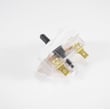
- Dryer door switch WE4M415 (dryer won’t run when the door is closed)
A clogged or incorrect vent makes a gas dryer run longer, waste energy, and can trigger overheating symptoms. Correct venting and routine lint removal are the most effective “first fix” for GE dryer performance problems.
For venting specs and troubleshooting steps specific to GTDP490GD2WS, use the GTDP490GD2WS owner’s manual and the GTDP490GD2WS installation guide.
Last updated: February 2026
What size belt does a GE dryer use?
For the GE GTDP490GD2WS gas dryer, the correct belt is the model-matched drum belt, not a one-size-fits-all length. Use the dryer drum belt specified for this model so the rib count, width, and length track correctly on the drum and motor pulley (see the GTDP490GD2WS owner’s manual).
For this model, we match by model number and use the listed replacement belt:
- Use the exact replacement: dryer drum belt WE03X29897
- Replace the belt if it’s cracked, glazed, stretched, or slipping
- If the drum turns by hand but not under power, the belt is a top suspect
- If you hear a squeal, inspect the idler and drum supports while you’re in the cabinet
GE dryer belts are commonly a multi-rib (4-rib) belt in the high-80-inch range, but the exact length varies by design. That’s why matching GTDP490GD2WS to the correct part is the reliable way to get the right “size.”
| What people mean by “belt size” | What you should use | Why it’s better |
|---|---|---|
| Length and rib count | Model-matched belt part ID | Prevents slipping, noise, and premature wear |
| “Universal” belt length | Not recommended | Can ride off pulleys or run too loose/tight |
A belt failure often happens alongside other wear items. Check these at the same time:
- Idler pulley spins freely and quietly (no wobble)
- Drum glides and felt are not worn through or dragging
- Drum turns smoothly without scraping
- Lint screen and venting are clear (restricted airflow increases run time and stress)
A correctly sized belt keeps proper drum speed and tension. The wrong belt can cause thumping, squealing, poor drying performance, or repeated belt breakage.
Last updated: February 2026
Where is the fuse on a GE GTDP490GD2WS?
On the GE GTDP490GD2WS gas dryer, the “fuse” most people mean is the home’s electrical fuse or circuit breaker, not a serviceable fuse inside the dryer. For safety, disconnect power at the breaker panel before any inspection, as covered in the GTDP490GD2WS owner’s manual.
- Unplug the dryer or switch OFF the circuit breaker before removing any panels.
- Check your home electrical panel for a blown fuse or tripped breaker.
- If the dryer tumbles but does not heat, confirm gas shutoff valves are fully open.
- Clean the lint screen and verify strong airflow at the outside vent hood.
- If you smell gas, stop and have a qualified technician check the installation.
The manual’s troubleshooting section points you to the house fuse/circuit breaker when the dryer will not start, and it notes that a dryer can run but not heat if the electrical supply is not correct. The safety section also explains that turning the cycle knob to Off does not disconnect power; you must unplug the dryer or shut off the breaker.
| Symptom | Most common “fuse-related” cause | What we recommend |
|---|---|---|
| Dryer will not start | Tripped breaker or blown house fuse | Reset breaker or replace fuse, then retest |
| Tumbles but no heat | Supply issue or gas shutoff closed | Verify breaker, then confirm gas valves are open |
| Dead control panel | No power at outlet | Check breaker, outlet, and cord connection |
On a gas dryer like the GTDP490GD2WS, power problems at the breaker panel can look like a dryer failure. Confirming the home fuse/breaker and disconnecting power correctly prevents unnecessary parts replacement and reduces shock risk.
Last updated: February 2026
Where to find part number on GE dryer?
On your GE GTDP490GD2WS gas dryer, the model and serial tag (used to look up the correct replacement part numbers) is on a label on the front of the dryer behind the door. Use that tag info when ordering parts and checking compatibility in the GTDP490GD2WS owner’s manual.
Check these common GE label locations in this order:
- Open the dryer door and look on the front panel behind the door (most common for this model)
- Check the door opening frame around the drum opening
- Look along the inside edge of the door itself
- If needed, check the rear panel for an additional rating label
Use the tag to capture these details exactly:
- Model number: identifies the exact dryer design (for example, GTDP490GD2WS)
- Serial number: helps match production details for correct parts
- Optional codes: sometimes include manufacturing or revision info
| Label item | What it’s used for | Why it matters |
|---|---|---|
| Model number | Parts lookup | Ensures diagrams and parts lists match your dryer |
| Serial number | Version confirmation | Helps avoid ordering a part that fits a different production run |
| Series/revision (if shown) | Fine-tuning fit | Useful when multiple similar parts exist |
- Write the model and serial numbers exactly as shown (letters and numbers)
- Take a clear photo of the label before shopping
- Match parts by part ID when available (example: a belt listing like dryer drum belt WE03X29897)
- If your symptom is “won’t start,” confirm basics first: door fully closed, cycle selected, and Start pressed
GE dryers often have similar-looking parts across model families. Using the GTDP490GD2WS label information keeps you aligned with the correct GE parts list, which prevents fit issues and repeat repairs.
Last updated: February 2026