Owner’s manual
 Error Codes


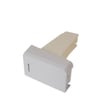
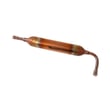
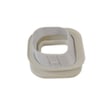
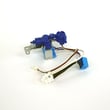
What is the difference between force defrost FD and RD?
On Samsung refrigerator model RF28HDEDPWW, RD is a refrigerator-only defrost that focuses on the fresh food evaporator, while FD (forced defrost) runs a broader defrost routine intended to melt heavier ice buildup across multiple cooling areas (often including the freezer and ice maker circuits). For exact button sequences and display behavior, follow the RF28HDEDPWW owner's manual.
When to use RD vs FD
- Use RD when the fresh food section is warming, the fridge evaporator fan is noisy, or you suspect light frost behind the refrigerator evaporator cover.
- Use FD when you have significant ice buildup symptoms such as a frozen ice maker area, repeated fan rubbing noises, or airflow blocked by heavy frost.
- If you see water under drawers after defrosting, check the drain system; a clogged drain can refreeze and recreate the problem.
What you should expect during each mode
| Mode | What it targets | Best for | What you may notice |
|---|---|---|---|
| RD | Fresh food (refrigerator) evaporator | Isolated fridge frost or warm fridge temps | Shorter defrost impact, less melt water |
| FD | Multiple defrost loads (system-wide) | Heavy ice, ice maker area freeze-ups, recurring frost | More melting, more water to manage |
Quick safety and prep checklist
- Move perishables to a cooler if you expect a longer defrost.
- Remove the ice bin and place towels to catch melt water.
- Keep doors closed as much as possible after the cycle so temperatures recover faster.
- If you suspect a defrost failure, inspect likely culprits: defrost heater, temperature sensor, and evaporator fan operation.
Parts that commonly relate to defrost and icing symptoms
If forced defrost helps temporarily but the problem returns, a failed component is usually the reason. These model-compatible parts are common checks:
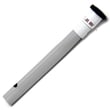
- Refrigerator defrost heater DA47-00244U (heater not melting frost)
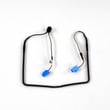
- Refrigerator temperature sensor DA32-10104N (bad readings can disrupt defrost timing)
- Refrigerator drain tube kit DA97-04049E (drain restriction can cause refreezing and ice buildup)
Why it matters
Using RD for a fridge-only frost issue avoids unnecessary warming of other compartments. Using FD when ice is widespread clears airflow faster, which protects cooling performance and helps prevent fan damage from ice contact.
Last updated: February 2026
How to force defrost Samsung RF28HDEDPWW?
To force defrost on your Samsung RF28HDEDPWW refrigerator, we use the control panel key combination to enter the service mode and start a forced defrost cycle; this helps clear frost buildup that can block airflow and cause warm temperatures.
How to start forced defrost (common Samsung method)
- Close both refrigerator doors.
- Press and hold Power Freeze and Fridge at the same time.
- Keep holding for about 8 seconds until the display blanks and you hear a beep.
- Use the same buttons to cycle through service options until you reach Forced Defrost.
- Let the cycle run; the unit will return to normal operation when complete.
Before you run forced defrost
- Move perishable food to a cooler if temperatures are already rising.
- Place towels in the fresh food section and near the freezer drawer to catch meltwater.
- Make sure vents are not blocked by packages or bins.
- If you see ice at the bottom of the fresh food section, check the drain path.
What forced defrost helps (and what it does not)
| Symptom | Forced defrost may help | Likely follow-up if it returns |
|---|---|---|
| Frost on evaporator cover, weak airflow | Yes | Check evaporator fan operation and defrost components |
| Water pooling from meltwater | Sometimes | Clear/repair drain components |
| No cooling at all | Usually not | Check condenser fan, compressor, controls |
Parts we commonly check when defrost problems keep coming back
If forced defrost works temporarily but frost returns quickly, we typically inspect these items:
- Refrigerator defrost heater DA47-00244U (heater not warming during defrost)
- Refrigerator temperature sensor DA32-10104N (bad sensor can disrupt defrost timing)
- Refrigerator drain tube kit DA97-04049E (clogged drain can refreeze and cause ice buildup)
- Refrigerator drain cap DA67-01301A (helps prevent drain freezing in some setups)
Why it matters
A heavy frost layer on the evaporator acts like insulation and blocks airflow; the refrigerator can run constantly, warm up, and start icing over again. Forced defrost is a fast way to restore airflow while you pinpoint the underlying cause.
For model-specific control panel behavior and any display codes you see during service mode, use the owner's manual.
Last updated: February 2026
Why is my Samsung bottom freezer icing up?
Bottom-freezer ice buildup in a Samsung RF28HDEDPWW is usually caused by warm, humid air leaking in (door not sealing), a blocked defrost drain that refreezes into a sheet of ice, or airflow problems after frost builds up around the evaporator cover. Use the checks below to pinpoint the cause, then correct it.
Quick checks that fix most icing
- Make sure the freezer drawer closes fully and nothing inside is holding it open.
- Inspect the door gasket for gaps, tears, or hardened sections; clean it with warm, soapy water and dry it.
- Check for ice or slush at the bottom of the freezer; that often points to a clogged drain.
- Confirm vents are not blocked by food packages; keep space around the back wall.
- Set the freezer to a normal target temperature (most homes: 0°F).
Most common causes and what to do
| What you see | Most likely cause | What to do next |
|---|---|---|
| Ice sheet on freezer floor | Defrost drain restricted | Defrost the ice, then clear the drain path; replace the drain parts if they are damaged. |
| Frost on packages, drawer hard to close | Door gasket leak or drawer not closing | Clean and reseat gasket; reorganize items; verify rails and alignment. |
| Heavy frost on back panel, weak cooling | Defrost system or airflow issue | Manually defrost to restore airflow; if it returns quickly, troubleshoot heater/sensor/fan. |
Parts that commonly solve icing symptoms
If you find a frozen or slow defrost drain, these model-matched parts are often involved:
- Refrigerator drain tube kit DA97-04049E (helps restore proper drain flow)
- Refrigerator drain cap DA67-01301A (can help prevent refreezing at the drain area)
If frost keeps returning behind the rear freezer panel, these parts are common suspects:
Why it matters
When the drain can’t move defrost water to the drain pan, that water refreezes and builds layers of ice. Ice buildup also blocks airflow, which makes temperatures swing and can lead to poor ice maker performance and longer run times.
Model-specific tip
Follow the defrosting and cleaning steps in the owner's manual for RF28HDEDPWW before replacing parts; a full manual defrost and drain clearing often confirms whether you have a drain restriction or a defrost-system problem.
Last updated: February 2026
What are the dimensions of the Samsung RF28HDEDPWW?
The Samsung RF28HDEDPWW is a French door refrigerator with a bottom freezer; it measures about 35 3/4 inches wide and about 70 inches tall (with hinges). Depth depends on whether you include handles and hinges, so match the spec to your use case in the owner's manual.
Dimension sets you will see (and when to use them)
Use the dimension format that matches your planning task:
- With hinges, handles, and doors: overall footprint for installation space
- With hinges and doors, no handles: cabinet-depth planning and tight aisles
- Without hinges and doors: moving through doorways and tight turns
- Depth with doors closed: how far it sticks out past cabinets
Typical exterior size ranges for this model class
These are the common ranges for Samsung 36-inch French door units like RF28HDEDPWW; use the manual for the exact configuration.
| Measurement | Typical value/range |
|---|---|
| Width | 35 3/4 in |
| Height (with hinges) | about 70 in |
| Depth (no hinges/doors to with handles) | about 29 to 36 1/2 in |
How we recommend measuring at home
Measure to the nearest 1/8 inch and include the features that affect fit.
- Measure width at the widest point (often the hinge area)
- Measure height from the floor to the top hinge cover
- Measure depth from the back to the front of the handle (or door face if no handle)
- Add clearance for airflow behind and above the cabinet
- Confirm door and drawer swing clearance next to walls or islands
Why it matters
Correct dimensions prevent delivery surprises, protect ventilation for proper cooling, and ensure the French doors and bottom freezer drawer open fully without hitting cabinets.
Last updated: February 2026