Installation guide
 Owner’s manual
 Error Codes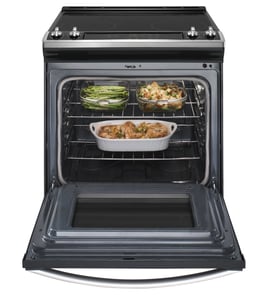


How do I clear the error code on my KitchenAid oven?
On the KitchenAid KESS907SSS02 electric slide-in range, most error codes clear by pressing OFF (Cancel). If the display shows a letter followed by a number and it comes back after clearing, the control is detecting a repeat fault and the next step is basic checks plus targeted troubleshooting using the KESS907SSS02 owner's manual.
Quick steps to clear the code
- Press OFF once to clear the message.
- If the code returns immediately, turn the range off at the circuit breaker for 1 minute, then restore power.
- If the display shows SET CLOCK, set the clock (this commonly appears after a power interruption).
- If the oven is in Sabbath Mode, exit it by pressing OFF.
- If the oven was using the temperature probe, unplug the probe from the probe jack; the probe symbol can stay lit until it is unplugged.
What the display message usually means
The manual guidance for this model is:
| What you see on the display | What to do | What it indicates |
|---|---|---|
| SET CLOCK | Clear the display and set the clock | Power failure or power interruption |
| Letter + number (example format) | Press OFF to clear; if it reappears, service is needed | A fault the control is detecting again |
Checks that often stop repeat codes
These are the most common, practical things to check before replacing parts:
- Make sure the oven door is fully closed (especially after Self Clean).
- Let the oven cool completely if the code appeared during or after Self Clean.
- Verify the oven vent is not blocked (blocked airflow can cause overheating symptoms).
- If temperatures seem inaccurate, use the manual’s oven calibration instructions.
When a part is a likely cause
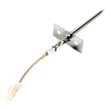
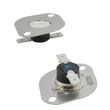
If the code relates to temperature sensing or runaway heat, the oven sensor circuit is a common suspect. For this model, a frequent repair is replacing the oven sensor WP8274149.
Why it matters
Clearing the code gets you cooking again, but a code that returns after an OFF reset and a breaker reset usually points to an ongoing issue (sensor, wiring, or control). Addressing it early helps prevent overheating, poor baking results, and repeat shutdowns.
Last updated: January 2026
Is KitchenAid a good electric range?
Yes. KitchenAid electric ranges like model KESS907SSS02 are a strong choice when you want consistent baking performance, a feature-rich control system, and a premium fit and finish. This model family is built around an electric cooktop and a full-size oven designed for everyday cooking and entertaining.
What “good” means for an electric range
We judge an electric slide-in range on cooking results, usability, and long-term serviceability.
- Even oven heating for baking and roasting (key for cookies, casseroles, and multi-rack cooking)
- Responsive surface elements for simmering and boiling
- Useful features such as convection on many Architect Series II models
- Parts availability for common wear items (elements, sensors, switches)
- Solid installation and leveling so the range sits flush and cooks evenly
Common strengths customers look for
KitchenAid ranges are often chosen for a combination of performance and design.
| What you want | What to look for on KESS907SSS02 | Why it helps |
|---|---|---|
| Reliable baking | Proper preheat and stable temps | Better browning and doneness |
| Flexible cooktop | Dual-size element capability | Fits small and large pans |
| Serviceable design | Replaceable heating and sensing parts | Lower repair downtime |
If performance is “off”, the usual fix is a part, not the whole range
If baking is uneven or temperatures drift, we typically check the oven sensor and heating elements first.
- Verify temperature settings and modes in the KESS907SSS02 owner's manual
- If the oven runs hot or cold, test/inspect the oven sensor WP8274149
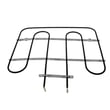
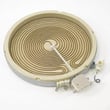
- If the oven will not heat, inspect the bake element WPW10207398 for damage
- If a surface element will not regulate heat, a control switch can be the cause
Why it matters
A “good” electric range is one that holds temperature, heats evenly, and can be maintained with standard replacement parts. That combination protects cooking results and helps extend the life of your KitchenAid range.
Last updated: January 2026
What is the life expectancy of a KitchenAid oven?
Most KitchenAid electric ranges like model KESS907SSS02 typically last 15 years with normal household use and basic maintenance. Keeping the oven clean, avoiding repeated overheating, and fixing small issues early helps key parts like elements and controls reach that full service life.
Typical lifespan and what usually fails first
In a KitchenAid electric slide-in range, the parts that most often end the usable life are heating and control components rather than the cabinet itself.
- Heating components can weaken over time (bake, broil, convection)
- Temperature sensing can drift, causing inaccurate baking
- Touch controls and switches can wear from heat and frequent use
- Door seals and bumpers can harden, letting heat escape
- Cooling and convection fans can get noisy or stop
Quick checks that extend oven life
Use these habits to reduce stress on the oven cavity, wiring, and electronic controls.
- Wipe spills after the oven cools to prevent baked-on carbon
- Avoid slamming the door; it stresses hinges and the door seal
- If temps seem off, test with an oven thermometer before replacing parts
- Keep vents clear so heat can escape properly
- Use self-clean only as recommended in the KESS907SSS02 owner's manual
Common “life-extending” repairs for this model
If the range is otherwise in good shape, these repairs often restore performance for years.
| Symptom | Likely area | Example part for KESS907SSS02 |
|---|---|---|
| Oven not heating evenly or not heating | Bake circuit | Bake element WPW10207398 |
| Oven temperature swings or runs hot/cold | Sensor circuit | Oven sensor WP8274149 |
| Cooktop element stuck on or won’t regulate | Infinite switch | Range dual surface element control switch WP9763762 |
Why it matters
A range that is heating accurately and venting correctly runs fewer long heat cycles, which reduces wear on elements, wiring connections, and the solid-state touch control system. That directly supports reaching the typical 15-year life expectancy.
Last updated: January 2026