Error Codes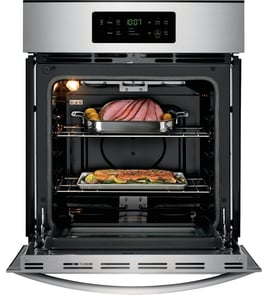

Is Dacor wall oven good?
Dacor wall ovens like model CPD227 are built as premium appliances; in normal home use, they deliver strong baking performance, solid temperature stability, and durable construction. Overall, they are a good choice when you want higher-end fit and finish and you are comfortable maintaining a more specialized oven.
What “good” usually means for a Dacor wall oven
When customers ask this, we look at a few practical factors:
- Cooking performance: consistent heat and even baking when the oven is in good repair
- Build quality: heavier door, robust trim, and long-lasting internal components
- Serviceability: parts availability and repair access matter more as the oven ages
- Ownership cost: premium parts and labor can cost more than mainstream brands
- Longevity: wall ovens typically last 15 years
Quick pros and trade-offs
| Category | What you can expect | What to plan for |
|---|---|---|
| Performance | Reliable baking and roasting | Needs periodic calibration checks if temps seem off |
| Fit and finish | Premium look and feel | Cosmetic parts can be pricey |
| Repairs | Many issues are repairable | Some parts are model-specific |
Common “wear” items that affect performance
If your CPD227 starts heating unevenly, leaking heat, or running hot, these parts are often involved:
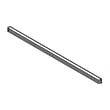
- Door seal and heat retention: Dacor door gasket 62811
- Cooling airflow and noise issues: Dacor fan blade 82651
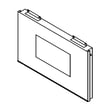
- Venting and heat exhaust path: Dacor wall oven exhaust grill cover 82990A
Why it matters
A wall oven can seem “bad” when it is simply out of adjustment or has a failed wear part (like a door gasket). Restoring proper sealing and airflow often brings performance back to what you expect from a premium Dacor oven.
Last updated: February 2026
What is the life expectancy of a Dacor oven?
A Dacor electric wall oven like model CPD227 typically lasts 15 to 20 years with normal household use and basic maintenance. Keeping airflow paths clear, maintaining a tight door seal, and fixing small issues early helps you reach the full lifespan.
Typical lifespan (what to expect)
Most premium electric wall ovens fall into this range:
| Usage pattern | Typical life expectancy |
|---|---|
| Light to average home cooking | 18 to 20 years |
| Frequent baking/roasting | 15 to 18 years |
| Heavy daily use or poor ventilation/maintenance | 12 to 15 years |
What shortens an oven’s life fastest
These are the most common wear drivers we see with wall ovens:
- Running the oven with a leaking door seal (heat escapes; components run hotter)
- Blocked or restricted venting/exhaust (traps heat in the cabinet)
- Slamming or forcing the door (stresses hinges, glass frame, and gasket)
- Grease buildup around airflow areas and controls
- Ignoring early symptoms like uneven baking, fan noise, or burning smells
Parts that often extend life on CPD227
Replacing a few wear items at the right time can prevent bigger failures:
- If you see heat escaping or the door doesn’t close firmly, replace the door gasket 62811.
- If you notice rattling, scraping, or loud airflow during operation, inspect the convection/vent fan area and consider the fan blade 82651.
- If the oven seems to run unusually hot around the trim or cabinet, check for obstructions and damaged vent pieces such as the wall oven exhaust grill cover 82990A.
Why it matters
A wall oven is built into cabinetry, so excess heat from poor sealing or restricted venting can overwork internal wiring, controls, and fans. Keeping the door seal and airflow system in good shape protects the electronics and helps the oven hold temperature accurately.
Last updated: February 2026
What are common Dacor appliance problems?
For the Dacor CPD227 electric wall oven, the most common problems we see are no-heat or uneven baking, a noisy cooling/convection fan, heat leaking around the door, and intermittent control or light issues. Many of these symptoms trace back to airflow, door sealing, or wiring connections.
Common problems and what they usually point to
- Oven not heating or heats inconsistently: often a failed heating circuit component, a loose/burned wire connection, or a control issue.
- Fan runs loud, rattles, or vibrates: a worn or bent fan blade can cause noise and poor airflow.
- Hot air leaking around the door: a worn door gasket lets heat escape, which can cause long cook times and uneven results.
- Oven light not working: commonly a bulb issue, but the light wiring harness can also be involved.
- Intermittent operation: loose connectors, heat-stressed wiring, or a failing control-related connection.
Quick checks we recommend first (safe, no disassembly)
- Confirm the oven is getting full power (a wall oven typically needs 240 VAC; a tripped breaker can leave it with partial power).
- Cancel the cycle and reset the control (power off at the breaker for 1 minute, then restore power).
- Inspect the door seal for gaps, tears, or hardened spots.
- Listen for fan noise changes as the oven heats up (noise that worsens with heat often points to the fan blade).
- If you smell overheating insulation or see discoloration around wiring, stop using the oven and have it serviced.
Parts that commonly solve these symptoms on CPD227
| Symptom | Likely area | Example part on this model page |
|---|---|---|
| Heat leaking, long cook times | Door sealing | Dacor door gasket 62811 |
| Rattling or loud fan | Airflow/fan | Dacor fan blade 82651 |
| Oven light issues | Wiring to light | Dacor wall oven lower oven light wire harness 82816 |
Why it matters
Wall ovens like the Dacor CPD227 rely on stable power, tight door sealing, and proper airflow to maintain temperature. When any of those are off, you can get slow preheat, uneven baking, or overheating of nearby components.
Last updated: February 2026
Where to find model number on Dacor wall oven?
On a Dacor wall oven, we typically find the model number on the oven frame around the door opening (often along the left or right side) or on a label visible when you open the door. For your Dacor CPD227, start by checking the door jamb and the front frame.
Most common model tag locations
Check these spots in order (power does not need to be off for this):
- Door jamb label on the front frame (left or right side)
- Along the bottom edge of the oven frame, just inside the door opening
- On the side trim area visible with the door open
- Behind the lower drawer or access panel (if your installation has one)
- On the back of the unit (usually only visible if the oven is pulled from the cabinet)
What the model number label looks like
Most Dacor wall ovens use a rating plate or sticker that includes:
- Model number (example: CPD227)
- Serial number
- Electrical rating (volts/amps)
- Sometimes a revision or “type” code
Quick tips to make it easier to read
- Use a flashlight and look at a shallow angle; the print can be faint.
- Wipe grease or dust off the frame with a damp cloth, then dry it.
- Take a photo and zoom in; this often reveals worn characters.
Why it matters
We use the exact model number to match the correct Dacor wall oven parts list and diagrams, so you get the right fit for items like trim pieces, vents, and electrical harnesses.
| What to record | Example | Why we need it |
|---|---|---|
| Model number | CPD227 | Identifies the correct parts breakdown |
| Serial number | (varies) | Helps confirm production run/version |
If you are ordering a cosmetic or airflow-related part after you confirm the model, common CPD227 items include the wall oven vent (white) 82990W and wall oven exhaust grill cover 82990A.
Last updated: February 2026
How much does a 27 inch wall oven weigh?
Most 27-inch built-in wall ovens weigh about 120 to 180 lb. For a Dacor CPD227 electric wall oven, the exact installed weight depends on the specific configuration and any trim or hardware; use the model’s spec label and compare it to typical 27-inch ranges.
Typical weight ranges (what to expect)
A 27-inch wall oven’s weight varies mainly by insulation, door glass, and whether it’s single or double.
- Single wall oven (27-inch): ~120 to 180 lb
- Heavier builds (extra insulation, thicker door glass): ~170 to 220 lb
- Shipping weight: often 10 to 30 lb higher than installed weight (packaging and pallets)
How to estimate your CPD227’s weight accurately
We recommend using these practical checks when the exact spec sheet is not on hand.
- Look for the rating/spec label (commonly on the oven frame behind the door, or on a side trim area)
- If the oven is already installed, plan for a 2-person lift minimum and use an appliance dolly
- If you are removing the unit, remove the oven door first (this can reduce handling weight noticeably)
- Confirm your cabinet support and fasteners are solid; replace worn trim or mounting pieces if needed
Helpful parts that relate to fit and reassembly
If you are pulling the oven for service, these model-matched parts can help with sealing and finishing after reinstall.
| What you’re doing | Part that may help | Why it helps |
|---|---|---|
| Restoring door seal after service | Door gasket 62811 | Helps prevent heat loss and uneven baking |
| Replacing damaged vent trim | Wall oven vent (white) 82990W | Helps manage airflow and protects surrounding cabinetry |
| Fixing a noisy cooling fan | Fan blade 82651 | A bent blade can cause vibration and noise |
Why weight matters
Wall oven weight affects safe handling, cabinet support, and installation alignment. Underestimating weight can damage wiring, cabinetry, or the oven frame during removal.
Last updated: February 2026